
Related videos:
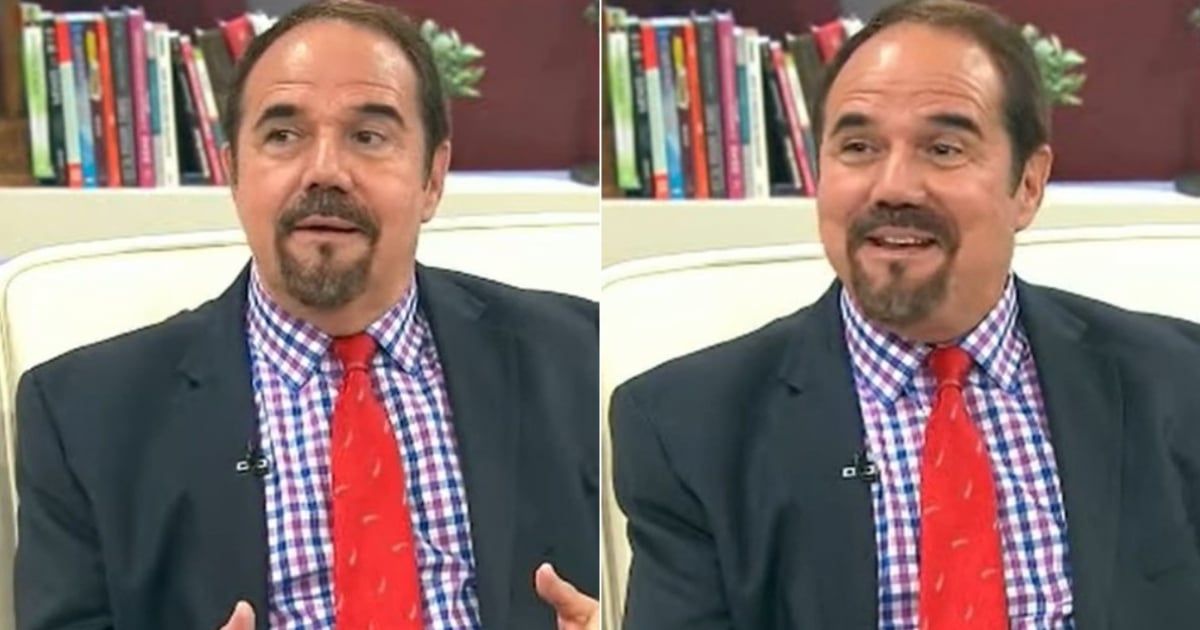
Pablo Perdomo, a renowned Cuban producer and writer who marked an era in Spanish-language television journalism, passed away on Saturday in Miami at the age of 74.
A winner of four Emmy Awards and the prestigious Edward R. Murrow Award, his career was dedicated to telling stories that deeply resonated with the Cuban and Latino community in the United States.
Born on January 15, 1951, in Cuba, Perdomo began his career in the media after validating his university studies in the United States.
"That's how it all started, on channel 51, from Telemundo," he confessed once. Since that first step, his career has been on the rise, standing out for his narrative sensitivity, his rigorous approach to information, and his commitment to the truth.
For over 25 years, he worked at Telemundo and Univision, where he produced and wrote news programs, health specials, and investigative reports that made him a key figure in Hispanic television.
He was the mastermind behind iconic works such as "Elián, 269 Days Later," which won an Emmy for his exclusive interview with Janet Reno, the Attorney General who ordered the repatriation of the young raft boy.
"This testimony was the one that showed the other side of the coin. The journalist always has to sit in the middle of both sofas. They can't be on top of one or the other: they have to show both sides," he stated in an interview with CiberCuba.
Perdomo was also the creator of the documentaries "Mariel, 20 Years Later" and "Mariel 25." With the latter, he won "all the awards imaginable" - in his own words - including a silver medal at the New York International Festival and the Edward R. Murrow Award, known as the Oscar of Television Journalism.
"Mariel 25" consists of 29 interviews with individuals who played a significant role in the Mariel exodus, featuring "impressive" testimonies that make up the piece, with no narrator, as the voices of the protagonists weave the story together like a puzzle.
Another of his award-winning works was "Balseros, 20 Years After the Crisis," which also received an Emmy and an award from the Society of Professional Journalists.
According to what he explained to CiberCuba, when he was reporting on the topic of Cuba, touching on sensitive issues such as the Mariel exodus, the legal battle for the custody of the boy Elián, or the rafters, he sought "authenticity, the emotion of a truth."
Beyond his awards, Perdomo was a mentor and trainer for multiple generations of journalists. Those who worked with him highlight his passion for ideas, his generosity as a colleague, and his total commitment to the profession.
"I love it when [reporters] have an idea and seek consultation," he said in one of his latest interviews.
I felt proud that many dedicated their awards to him: "That has given me more satisfaction than anything else I've done."
Upon retiring from television, he rediscovered a dormant passion: painting. According to Univisión, which reported his death, for Perdomo, art was an extension of his purpose: to communicate, to move, and to leave a mark.
Pablo Perdomo leaves behind an exemplary career, an invaluable cultural legacy, and a life dedicated to telling the story of Cuba and its people from exile. "Everything has come to me. I haven't sought anything specific. When I was working at Telemundo or Univision, I always ended up doing special projects."
The funeral arrangements will be announced in the coming days.
Frequently Asked Questions about Pablo Perdomo and His Legacy in Hispanic Television
Who was Pablo Perdomo and what was his contribution to television journalism?
Pablo Perdomo was a renowned Cuban producer and writer who marked an era in Spanish-language television journalism. A winner of multiple awards, including four Emmys and the Edward R. Murrow Award, he was noted for his narrative sensitivity and commitment to the truth, profoundly influencing the Cuban and Latin American community in the United States.
What were some of Pablo Perdomo's most notable works?
Among the most notable works of Pablo Perdomo are "Elián, 269 Days Later," which won an Emmy, and the documentaries "Mariel, 20 Years Later" and "Mariel 25." The latter was awarded the silver medal at the New York International Festival and the Edward R. Murrow Award. These productions tackled sensitive topics such as the Mariel exodus and the repatriation of Elián González, showcasing his ability to tell complex stories with authenticity and emotion.
How did Pablo Perdomo influence the new generations of journalists?
Pablo Perdomo was a mentor and trainer for multiple generations of journalists, who highlight his passion for ideas and his generosity as a colleague. He inspired many through his commitment to the truth and his total dedication to the craft, leaving an invaluable cultural legacy in Hispanic television.
What did Pablo Perdomo do after retiring from television?
After retiring from television, Pablo Perdomo rediscovered his passion for painting. For him, art was an extension of his purpose to communicate and evoke emotions. He continued to make his mark through his creativity, maintaining his commitment to telling stories that resonated with the community.
Filed under: