
Related videos:
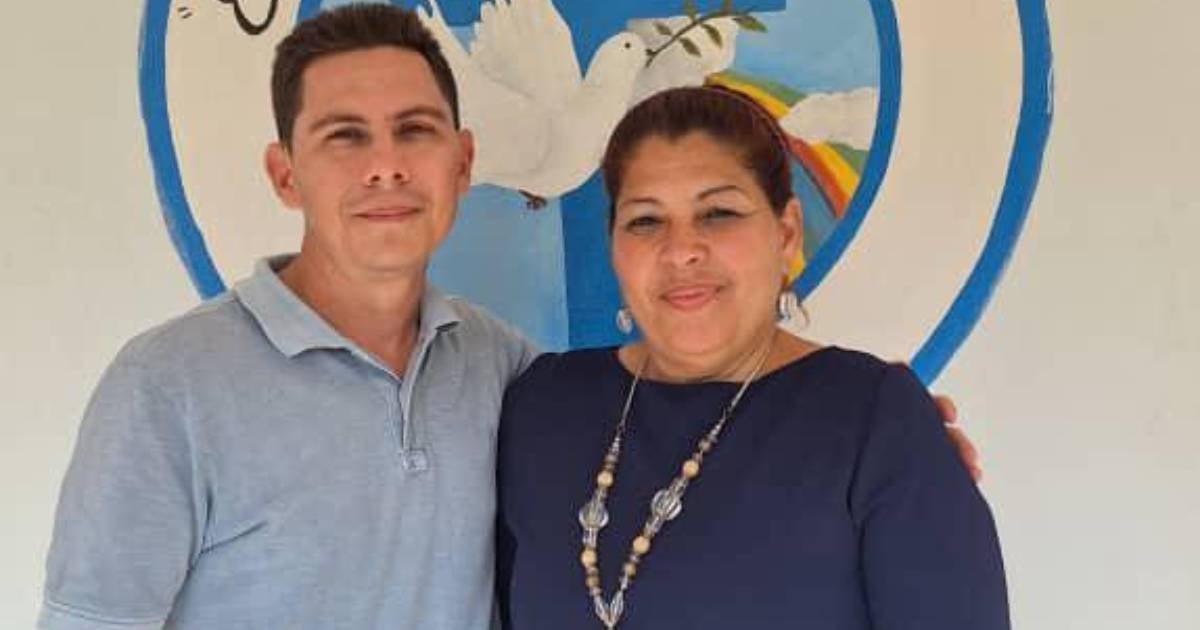
Cuban pastors Luis Guillermo Borjas and Roxana Rojas, members of the Assemblies of God Church, were detained in the Isle of Youth after intervening in the military trial against their son, Kevin Lay Laureido Rojas, who was accused of evading Mandatory Military Service.
During the hearing, the pastors presented official medical evidence that certified the young man's psychiatric incapacity to fulfill the service, reported the internet user Yaiset Rodríguez, who is studying Biblical Studies, on Facebook.
Despite this, according to witnesses, the court dismissed the documents, and tension escalated when the pastors rejected the accusation that their arguments were false.
Pastor Borjas stated that they were victims of injustice and warned the prosecutor that they should also be held accountable before "the justice of God."
It was then that the prosecutor categorized those words as an act of contempt and disobedience, and ordered his detention.
The military prosecutor requests an eight-year prison sentence for both parents for having mentioned God in court, arguing that “divine justice has no place in a military court,” Rodríguez explained.
Roxana Rojas was released hours later for medical reasons, as she suffers from a chronic heart condition that requires regular check-ups.
Her husband, however, remained detained in a police cell, isolated and without access to food or family visits, as 24 hours had passed since his arrest.
The young Kevin had been declared unfit for service by a medical board; yet, despite this, he was forcibly incorporated and ended up escaping from the military facility.
He is currently facing a sentence of up to four years in prison.
The official page of the Assemblies of God in Cuba made a public request for prayer for the pastors and their son, expressing hope that it is all just a "misunderstanding."
The case has revived the debate over Mandatory Military Service in Cuba, a system that has been linked to tragedies, suicides, and fatal accidents.
Despite these consequences, since 2023, the Military Penal Code punishes those who attempt to evade it with up to five years in prison.
Human rights organizations have condemned the criminalization of conscientious objection and the lack of transparency in military processes, such as the one currently faced by this pastoral family on the Isle of Youth.
The trial against the pastors is scheduled for June 9th.
Frequently Asked Questions About the Detention of Pastors in Cuba and Mandatory Military Service
Why were pastors Luis Guillermo Borjas and Roxana Rojas arrested in Cuba?
The pastors were detained for allegedly committing contempt and disobedience during the military trial of their son, Kevin Lay Laureido Rojas, who was accused of evading compulsory military service. The military prosecution deemed it inappropriate to mention "the justice of God" in court, which worsened the legal situation for the pastors.
What is the current situation of Kevin Lay Laureido Rojas?
Kevin Lay Laureido Rojas faces a sentence of up to four years in prison for evading Mandatory Military Service, despite having been declared unfit by a medical commission. However, he was forcibly reinstated to service and ended up escaping from the military center.
What consequences do opponents of Mandatory Military Service in Cuba face?
Those who oppose Mandatory Military Service in Cuba face prison sentences of up to five years, according to the Military Penal Code. This measure has been widely criticized by human rights organizations that condemn the lack of transparency and the repression towards conscientious objection.
How is Mandatory Military Service affecting Cuban families?
Mandatory Military Service in Cuba destabilizes many families, especially those in vulnerable situations. Families face the imposition of this measure that forces young people to enlist, which can disrupt crucial family dynamics, as is the case with Sandra Jiménez Cruz from Holguín.
What impact does religious repression have in Cuba?
The Cuban regime maintains an authoritarian stance against religious freedom, prohibiting processions and acts of faith that do not align with its ideological dictates, as evidenced in the case of the procession of Christ of Humility in Trinidad. This repression affects the public expression of faith and fosters distrust between the Church and the State.
Filed under: