
Related videos:
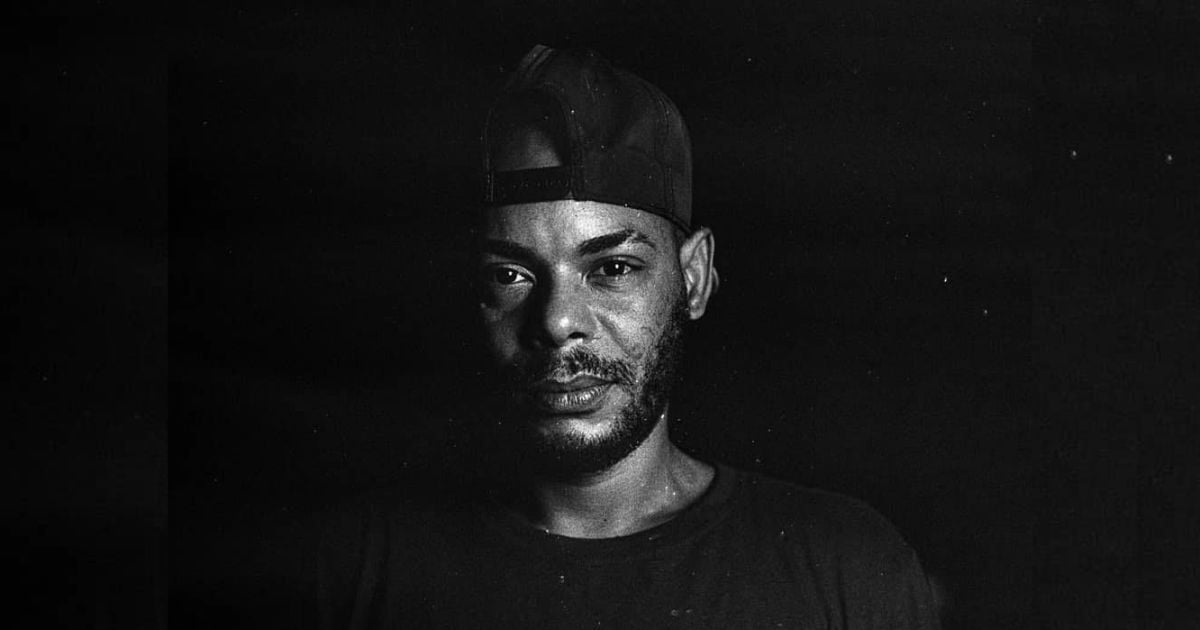
The Cuban rapper El Funky, known for his participation in the song Patria y Vida, confirmed this Saturday on social media that his immigration case has officially been reopened in the United States, and that he is not facing the risk of deportation, as had been claimed by rumors spreading on social media.
“To all my brothers and followers, I want to share some good news,” the artist wrote on Instagram, expressing gratitude to his legal team for the favorable outcome.
"Thanks to my legal team, my residency case has been opened," he stated.
El Funky also took the opportunity to clarify rumors circulating on digital platforms: “Regarding the rumors and fake news that are spreading on social media, we want to clarify that El Funky will not be deported.”
In his message, the musician expressed having "great faith in this government and in the legal process," emphasizing his confidence that he will be able to regularize his immigration status.
In addition, the announcement was accompanied by a message of gratitude to their followers and a prayer.
Since early May 2025, the immigration case of the Cuban rapper El Funky, one of the voices behind the song Patria y Vida, has generated a wave of media attention and concern among his fans.
On May 8, the artist alerted on social media that he could be deported from the United States, a fact that raised alarms due to its political and symbolic significance as an opponent of the Cuban regime.
Two days later, it was reported that El Funky had been denied permanent residency, a situation that further complicated his immigration circumstances.
However, attorney Willy Allen addressed the rumors, assuring that El Funky could legally remain in the U.S., as he had filed a motion to reopen his case, expressing confidence in a favorable resolution of the process.
Meanwhile, the organization Human Rights Watch urged the U.S. government to allow the residency of 13 Cuban opponents in its territory, a request that included profiles such as El Funky's, who has been targeted by the repressive apparatus of the island's government due to his political activism through music.
On May 19, the artist warned that he feared being deported to Cuba, from where, in his words, "I escaped," reinforcing the tone of distress that had been evident in his posts since the beginning of the month.
Frequently asked questions about El Funky's immigration situation and the Cuban immigration context in the U.S.
Will Funky be deported from the United States?
No, El Funky will not be deported from the United States. His immigration case has officially been reopened, and he is not at risk of deportation. The Cuban rapper has confirmed this information on his social media, thanking his legal team for the favorable outcome.
Why was El Funky's immigration case reopened?
The immigration case of El Funky has been reopened after his lawyer filed a motion, allowing the legal process to continue. Lawyer Willy Allen stated that El Funky will be able to legally remain in the U.S., expressing confidence in a favorable resolution to regularize his immigration status.
How does El Funky's immigration situation affect other Cubans in the U.S.?
The immigration situation of El Funky reflects the challenges faced by many Cubans in the U.S. The Donald Trump administration has implemented measures that complicate the circumstances for many immigrants, such as the revocation of humanitarian parole. This has created uncertainty and concern among Cubans seeking to regularize their status in the country.
What role does El Funky's activism play in his immigration situation?
El Funky is known for his political activism against the Cuban regime, which has influenced his migration status. His involvement in the "Patria y Vida" movement and his activism through music have made him a symbol of resistance, but have also placed him in the crosshairs of Cuban state repression, complicating his immigration process in the U.S.
What actions are human rights organizations taking regarding Cuban dissidents in the U.S.?
Organizations such as Human Rights Watch have urged the U.S. government to allow Cuban dissidents, like El Funky, to apply for asylum. These organizations argue that criminal records in Cuba should not be used to deny protection to political persecuted individuals, given the lack of judicial independence and the use of the law as a tool of repression on the island.
Filed under: