
Related videos:
The Attorney General's Office of the Republic confirmed that it is investigating criminal proceedings in Havana and Sancti Spíritus for the theft of essential goods for the population, amid a backdrop of growing social unrest due to the rise of corruption at all levels, lack of oversight, rising prices of basic products, and impunity in strategic sectors.
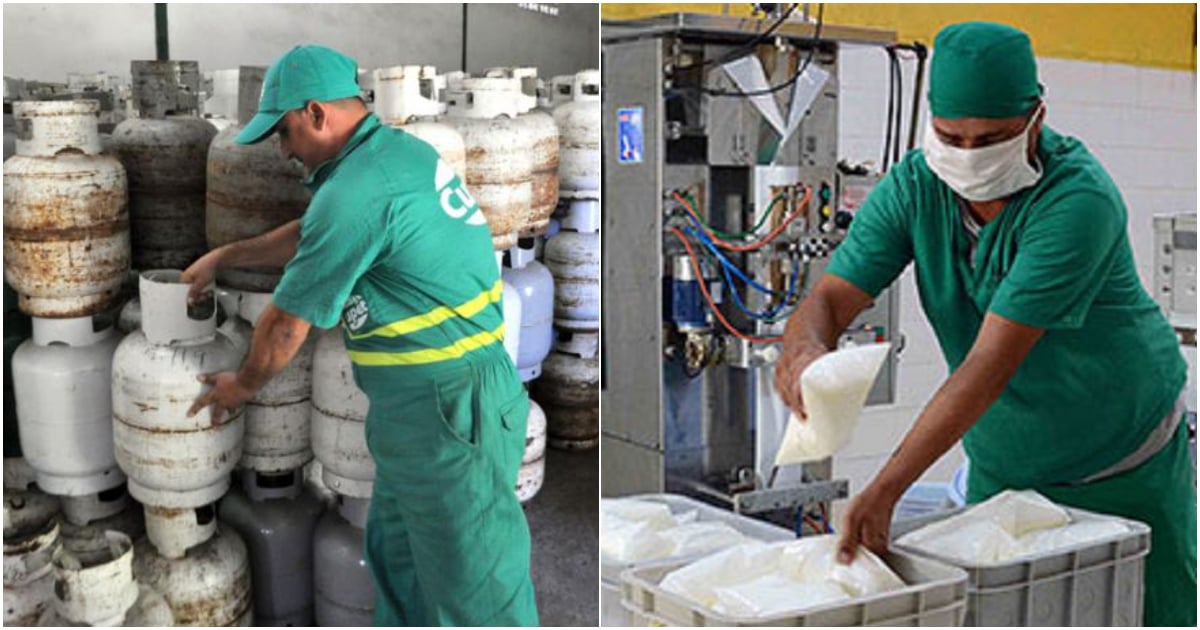
Regarding this, it was reported that, in the municipality of Habana del Este, 197 bags of powdered milk were stolen from a state-owned cold storage facility. The batch was intended for regulated distribution to children under two years old, one of the most vulnerable sectors amid the current crisis.
According to a statement from the entity, seven individuals are currently in provisional custody: two employees of the entity itself, one self-employed individual who acquired the majority of the product at high prices and promoted it through digital platforms, and four receivers who bought from him directly.
In Sancti Spíritus, the focus is on the systematic theft of liquefied gas cylinders from over 20 homes. Four people have been detained, three of whom are also in provisional custody. Two are accused of carrying out the thefts and two others of illegally reselling the gas. Authorities are investigating how this chain of diversions was permitted and what failed in the oversight of these resources.
Both cases are still in the investigative phase. According to the Prosecutor's Office, efforts are underway to gather evidence, and legal action will be taken in court, requesting severe penalties due to the "harmfulness of the acts," in compliance with the law and constitutional guarantees. The institution promised to provide updates on the rulings, although it did not specify a timeline.
Even when the intensification of the "U.S. blockade" is highlighted as a contextual factor, public outrage points in another direction: internal complicities, lack of oversight, and institutional tolerance.
Dozens of citizens have expressed on social media and official channels their frustration with issues that are not new and that—such as in the case of illegal gas sales—continue without any effective measures to stop them.
Comments on the page of the official portal Cubadebate demand "exemplary trials," the publication of names, and real sanctions not only against the direct perpetrators but also against the accomplices and facilitators within the entities.
Others warn that the prices of the bullets reach 15,000 pesos in some places, with no one held accountable for it.
The powdered milk crisis in Cuba is not an isolated phenomenon, but rather the result of an economic policy that leaves millions of Cubans with salaries in Cuban pesos, while essential goods are sold in foreign currency.
Recently, when announcing the capture of those allegedly involved in the theft of nearly 200 sacks of milk in Havana del Este, police authorities explained that the main recipient of the product had paid three million pesos for the merchandise and would resell it in a café in the Boyeros municipality for 1,650 pesos per pound, aiming to achieve a profit exceeding 12 million pesos.
The Cuban rationing system, in place for more than 60 years, has failed to ensure equitable and stable access to basic products. A critical example is powdered milk for children under seven years old: although they should receive six bags monthly, the government admits that today it cannot even meet this minimum quota, highlighting the collapse of the mechanism.
Meanwhile, in the black market, a kilogram of powdered milk can cost up to 2,000 pesos (almost a minimum wage). Although the food is available in stores that accept hard currency, its price in dollars makes it prohibitive for most Cuban families, who rely on the deteriorated rationing system.
Meanwhile, the network dedicated to the theft and illegal resale of liquefied gas canisters in the province of Sancti Spíritus, which operated between January and May of this year, was dismantled by forces from the Ministry of the Interior (MININT), as recently reported by official sources.
The modus operandi of the gang was to take advantage of the nighttime hours to break into vulnerable homes, from which they would steal small items to sell on the black market at prices well above the official value.
The individuals who stole sold the empty cylinders for 15,000 pesos to the receivers, while the full ones went for 30,000. The latter, in turn, resold them at even higher prices, making a profit of between 15,000 and 20,000 pesos on each of the transactions, according to the authorities.
The escalation of criminal activities by this gang coincided with the most critical point of the national liquefied gas shortage, exacerbated by the financial incapacity of the Cuban state to guarantee this basic fuel.
At the end of May, a notable case came to light: a ship carrying 1,300 tons of LPG was stranded for four months off the coast of Santiago de Cuba due to government nonpayment, revealing the deep cracks in the island's economic and supply system.
Chronic shortages have left thousands of Cubans without gas for months, forcing them to cook with firewood or coal, a regression to primitive methods that worsens with the endless blackouts.
After weeks of distress in eastern Cuba, the ship finally unloaded its cargo at the Hermanos Díaz Refinery at the end of May, marking the beginning of a fragile restoration of service.
Sancti Spíritus experienced 54 days of total shortages until a partial restart in mid-May, demonstrating that the crisis is systemic and widespread.
Frequently Asked Questions about Milk Theft and Gas Canisters in Cuba
What is the Attorney General's Office investigating regarding the thefts in Havana and Sancti Spíritus?
The Prosecutor General’s Office of the Republic is investigating the theft of 197 sacks of powdered milk in Havana and the systematic theft of gas canisters in Sancti Spíritus. In both cases, the products were essential for the population and were sold on the black market at exorbitant prices. Authorities have arrested several individuals linked to these crimes and investigations are ongoing to establish accountability and impose severe penalties.
How does corruption in the liquefied gas sector affect the Cuban population?
Corruption in the liquefied gas sector exacerbates shortages and makes the product more expensive for the Cuban population. Cases of diversion and illegal sale of gas cylinders have been reported, and authorities have pointed to the complicity of CUPET executives in these activities. This situation has led to prolonged interruptions in gas supply, affecting families' ability to cook and increasing dependence on alternative methods such as using firewood or charcoal.
What is the impact of powdered milk theft in Cuba?
The theft of powdered milk in Cuba severely impacts children under the age of two, who rely on this product for their basic nutrition. The stolen milk, intended for the regulated family basket, was sold illegally at exorbitant prices, exacerbating the crisis of shortages and rising costs of essential products on the island. This type of crime reflects the serious shortcomings in the rationing and distribution system of essential food items in Cuba.
What measures has the Cuban government taken to combat corruption in the distribution of essential resources?
The Cuban government has launched investigations and arrests to combat corruption in the distribution of essential resources such as powdered milk and liquefied gas. Precautionary measures, including arrests, have been implemented, and severe penalties have been promised for those responsible. However, corruption remains structurally persistent, suggesting that deeper and more effective reforms in the state control and oversight system are necessary.
Filed under: