
Related videos:
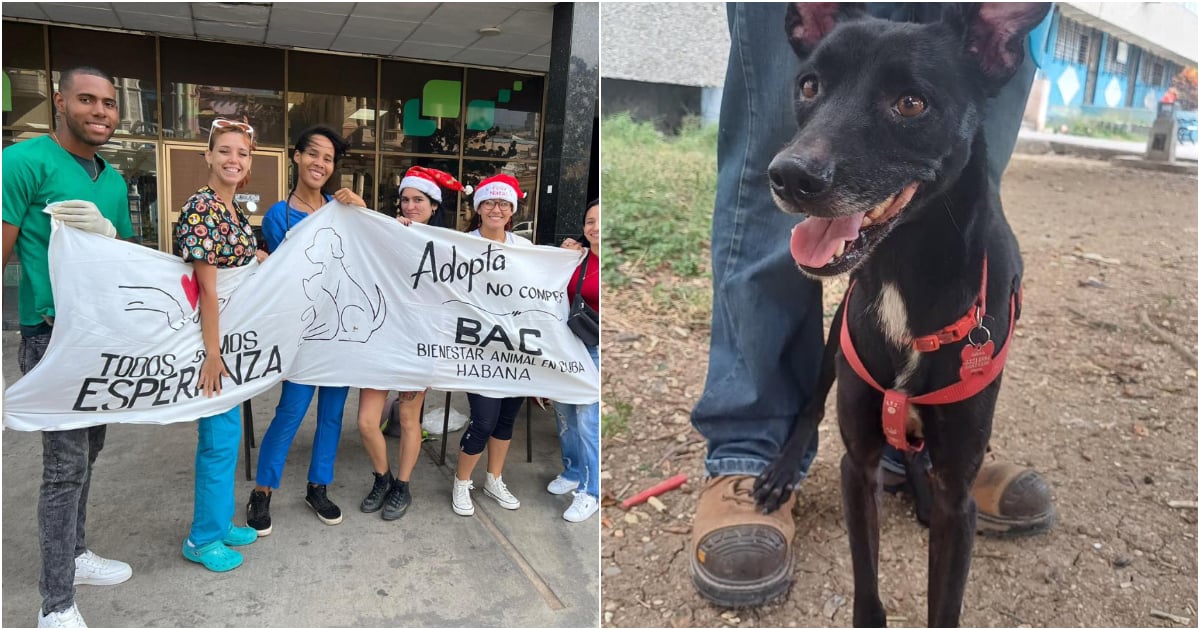
The Animal Welfare Association Cuba (BAC) announced on June 8 the launch of an international project aimed at ending the impunity surrounding animal mistreatment on the island, extending its consequences beyond national borders.
The plan includes the creation of legal files on verified cases of animal cruelty, which will be sent to consulates, prosecutors' offices, and immigration offices in the United States, the European Union, and other countries with stringent regulations related to animal abuse offenses.
From now on, each well-documented complaint could become a real obstacle to emigrating, returning, or establishing oneself legally in these destinations.
“This is not an improvisation; it is the result of so many waves of animal mistreatment that have led us to knock on all international doors,” emphasized a statement shared by BAC's branch in Havana (BAC-Habana) on its Facebook profile.
The structure responsible for validating the cases will consist of a private commission made up of three national lawyers, a records secretary, and a confidential advisory council. Its function will be to thoroughly review each complaint, gather forensic evidence, testimonies, and legal documentation before issuing an official certificate or dismissing the case.
The group of volunteers advocating for animal welfare in Cuba emphasized that "each case will be treated with the same seriousness as a criminal record and will have direct consequences for anyone attempting to emigrate or return to countries with which we will maintain strong ties," and only those with conclusive evidence will be referred to foreign authorities.
At the same time, he emphasized that “our strategy is based on the combined pressure of BAC's media reputation, the collaboration of its followers, and direct contact with officials and key individuals… We will establish agreements with specialized animal protection offices in the destination countries so that, once the alert is received, they can activate the mechanisms for migration inadmissibility, revocation of residency permits, or deportation of those responsible through legal procedures.”
One of the most drastic measures of the project is the retroactive nature of its database: anyone involved in acts of cruelty could be affected in their immigration status.
In cases where the harm has not resulted in the death of the animal, “the accused will have the option to request the removal of their record after five years, by making a one-time payment of 500,000 Cuban pesos to our association. When the abuse results in death, the registration will be permanent and irrevocable,” he specified.
BAC recalled that its international reputation has long supported Cuban veterinarians and activists in migration and professional processes abroad. Now, they will use that same strength to stop those who mistreat animals. Allied legal offices abroad would help activate mechanisms for migration inadmissibility, revocation of residency, or deportation.
The organization emphasized that with these tools, “we are turning our association into a mobile advocate for animal welfare. From today on, it is no longer enough to evade justice in Cuba: anyone who commits cruelty against a living being will be at risk of losing academic and job opportunities, being rejected in immigration processes, and facing sanctions that no abuser wishes to encounter. Because it must be clear: we will reach everyone.”
BAC calls on everyone with knowledge of animal abuse, whether within the country or abroad, to send evidence and testimonies to the email: prensa.bacanos@gmail.com. Each testimony can make a difference.
Hours earlier, BAC described a social media post related to the sale of dead birds identified as sparrows, packaged and priced at 1,000 pesos or in exchange for mobile credit, which ignited a wave of public outrage.
At the end of May, the organization itself reported an alarming case of extreme cruelty against a puppy in the Alta Habana neighborhood, in the Boyeros municipality, Havana.
Additionally, two men were arrested in Villa Clara recently after an attempt to traffic 10 baby parakeets that were intended for sale in Havana.
Although Cuba has had the Animal Welfare Decree-Law 31 since April 2021, the structural deficiencies in resources and organization of the national veterinary system leave abandoned and unprotected stray animals in cities and rural areas.
The conditions in which the specimens are kept in various zoos in the country have also been reported.
While denouncing impunity, neglect, and abuse, animal protectors demand a truly effective law that surpasses the current ineffective decree-law.
Frequently Asked Questions about the Initiative to Protect Animals in Cuba
What does the "Without Borders" initiative of the Animal Welfare Association of Cuba (BAC) consist of?
The "without borders" initiative aims to bring reports of animal abuse in Cuba to international authorities, such as consulates, prosecutor's offices, and immigration offices of countries with strict regulations on the matter, in order to prevent abusers from emigrating or legally settling in those countries.
How will this initiative affect animal abusers in Cuba?
The initiative seeks to have verified reports of animal abuse considered as criminal records, which will make it more difficult for offenders to emigrate, return, or settle in countries with strict regulations. Those who do not cause death to the animal will be able to expunge their records after five years by paying a bond, while in cases of death, the record will be permanent.
What role does the international community play in this BAC initiative?
The international community will be key to activating legal mechanisms that prevent the migration of animal abusers from Cuba. BAC will establish agreements with specialized animal protection organizations in the destination countries to address the complaints submitted.
What is the current status of animal welfare law in Cuba?
Although Cuba has had Animal Welfare Decree-Law 31 since 2021, complaints about its ineffectiveness are common. Animal rights organizations and the community are calling for a more effective law, as cases of animal cruelty still occur with impunity and the penalties are seen as insufficient.
Filed under: