
Related videos:
Independent Cuban platforms confirmed this Monday the 16th femicide in Cuba so far in 2025.
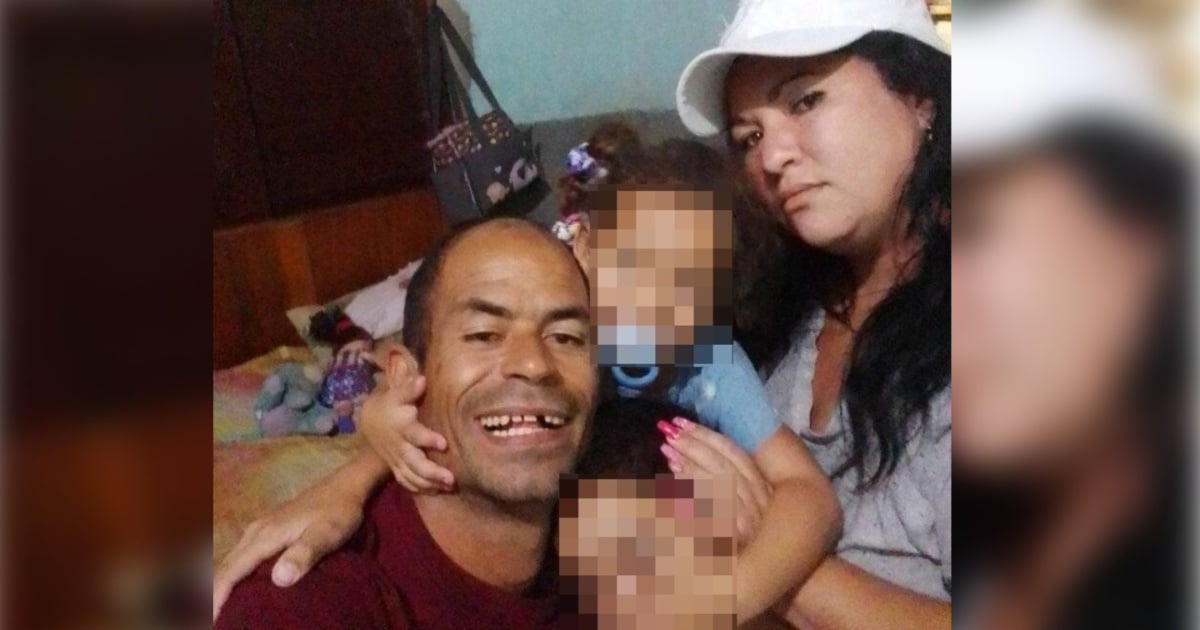
The Gender Observatory of the magazine Alas Tensas (OGAT) and I Believe You in Cuba (YSTCC) expressed their sorrow over the femicide of Gretel Matos, 33 years old, who was stabbed by her ex-partner in public, in the municipality of Niquero, Granma province, on June 13th.
The victim had two minor daughters; the youngest girl was the result of her relationship with her aggressor.
A report published by the independent media outlet La Hora de Cuba identified the femicide perpetrator as Didier Almagro, who fled the scene after committing the crime, near the town square.
Almagro was found the next day in the municipality of Bartolomé Masó, hanging from a tree.
Close sources to the victim confirmed to La Hora de Cuba that the man had repeatedly declared his intention to take Gretel's life after she refused to resume the relationship.
From the beginning of the year until June 16, the Alas Tensas and YSTCC observatories have reported 16 femicides and one murder of a man for gender-related reasons. The organizations are investigating four alerts concerning potential crimes of this nature in Artemisa, Matanzas, Santiago de Cuba, and Havana.
In Cuba, femicide is not classified as a crime in the Penal Code. Platforms like Yo Sí Te Creo en Cuba and Alas Tensas maintain a subrecord of gender-based violence, while also advocating for appropriate legislation and the creation of public policies that protect women and prevent violence.
Both organizations documented 56 femicides in Cuba during 2024, according to a preliminary report that OGAT will publish shortly. Between 2019 and last year, 267 women, girls, and boys were killed in the country for gender-related reasons.
“Behind every case there is a shattered life, a family affected, and a society marked by impunity,” warned OGAT on its social media. “To verify and make visible femicides not only honors the memory of those who are no longer here. It is also a vital tool to demand justice, effective public policies, and real protection for women and girls in Cuba.”
Frequently Asked Questions about Feminicides in Cuba
How many femicides have been recorded in Cuba in 2025?
Until June 16, 2025, 16 femicides have been recorded in Cuba, according to the independent platforms Alas Tensas and Yo Sí Te Creo en Cuba. These organizations are also investigating four alerts regarding potential crimes of this nature in different provinces.
Is femicide classified as a crime in Cuba?
Feminicide is not classified as a crime in the Penal Code of Cuba. This means that there is no specific legal category to address these crimes, making it difficult to gather accurate statistics and implement effective public policies to prevent gender-based violence.
What organizations are documenting femicides in Cuba?
Independent platforms Alas Tensas and Yo Sí Te Creo en Cuba are responsible for documenting femicides on the island. These organizations maintain an underreporting of gender violence and advocate for the creation of appropriate legislation and public policies that protect women.
What actions are being taken to combat gender-based violence in Cuba?
Although the Council of Ministers of Cuba approved a national system in 2024 for the registration, care, tracking, and monitoring of violence against women, the absence of a specific classification of femicide in the Penal Code limits the effectiveness of these measures. Feminist organizations continue to demand comprehensive legislation against gender-based violence.
What challenges do feminist organizations in Cuba face in raising awareness about feminicides?
Feminist organizations in Cuba face significant challenges due to a lack of state transparency and technological disconnection. The absence of official data and the government's refusal to acknowledge the severity of the issue make it difficult to verify and document cases of femicide on the island.
Filed under: