
Related videos:
The recent Israeli offensive against Iran, named "Operation Rising Lion", has reignited the debate regarding the true intentions of Tel Aviv: is it an action to neutralize the Iranian nuclear program or is it an attempt to promote regime change in Tehran?
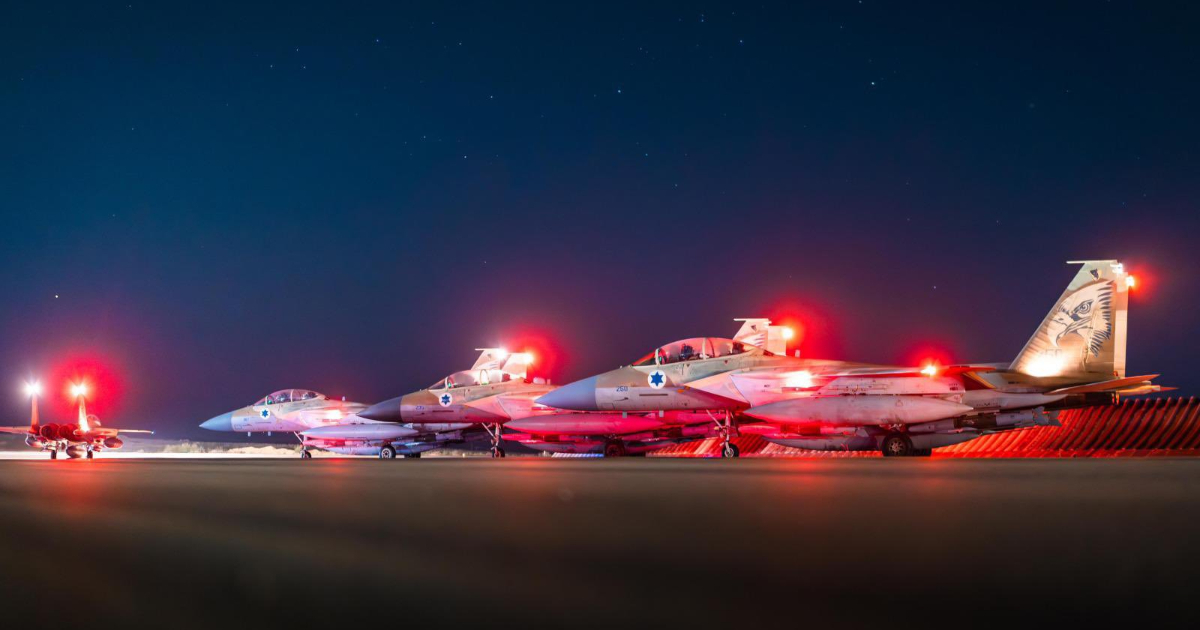
On June 13, 2025, Israel launched a series of coordinated airstrikes against over 100 targets in Iran, including key nuclear facilities such as Natanz, as well as research centers in Tabriz, Isfahan, and Arak.
In addition, high-ranking military officials were removed, including the Chief of Staff, Mohammad Bagheri, and the commander of the Revolutionary Guard, Hossein Salami. Reports from the Israeli armed forces assert that they have control over Iran's airspace.
The Israeli Prime Minister, Benjamín Netanyahu, justified the operation as a preventive measure to prevent Iran from acquiring nuclear weapons, describing the Iranian nuclear program as an existential threat to Israel.
Nuclear dismantling or regime change?
Although Israel's stated goal is to halt the progress of Iran's nuclear program, some analysts suggest that the offensive also aims to weaken the Iranian regime.
Despite the inflicted damage, Israel's ability to completely destroy the Iranian nuclear program is limited. Reports suggest that fully eliminating these facilities would require specialized weaponry that Israel currently does not possess.
Netanyahu has directly urged the Iranian people to rise up against their leaders, using slogans from past protests to encourage dissent.
However, experts such as Sanam Vakil from Chatham House believe that a regime change in Iran is unlikely without direct intervention from the United States.
Interviewed by The Guardian, the expert stated that the power structure in Iran is institutionalized, which provides it with resilience even in the face of losing key leaders.
Iranian civil society: An opportunity for change?
Since the death of Mahsa Amini in 2022, Iranian civil society has shown increasing opposition to the regime, particularly among women and youth.
The "Woman, Life, Freedom" movement has mobilized large segments of the population, challenging the restrictions imposed by the government.
Organizations like the National Union for Democracy in Iran (NUFDI) have gained visibility, promoting democracy and human rights from exile. However, the lack of unified leadership and government repression have limited their impact within the country.
Analysts point out that, although there is widespread discontent, the lack of a solid organizational structure and charismatic leaders hampers the possibility of a regime change driven by civil society.
However, amidst this situation, the exiled shah, Reza Pahlavi, has increased his media appearances.
In a recent interview with the BBC, he stated that "the Islamic Republic is in its terminal stage" and urged the international community not to negotiate with the current regime, but rather to support the Iranian people in their struggle for freedom.
Pahlavi, although not holding formal political power, maintains symbolic influence among certain sectors of the diaspora and has advocated for a transition towards a secular democratic system.
His statements revive the debate about the viability of an alternative to the theocratic regime and whether internal protest movements could converge into a credible and cohesive leadership figure.
Conclusion
The "Operation Rising Lion" reflects Israel's determination to prevent Iran from becoming a nuclear power.
However, the possibility of provoking a regime change seems increasingly likely, although it could lead to unintended consequences. Without a clear strategy and the necessary international support, Israel's objectives may become unattainable, while the risk of regional escalation intensifies.
Filed under: