
Related videos:
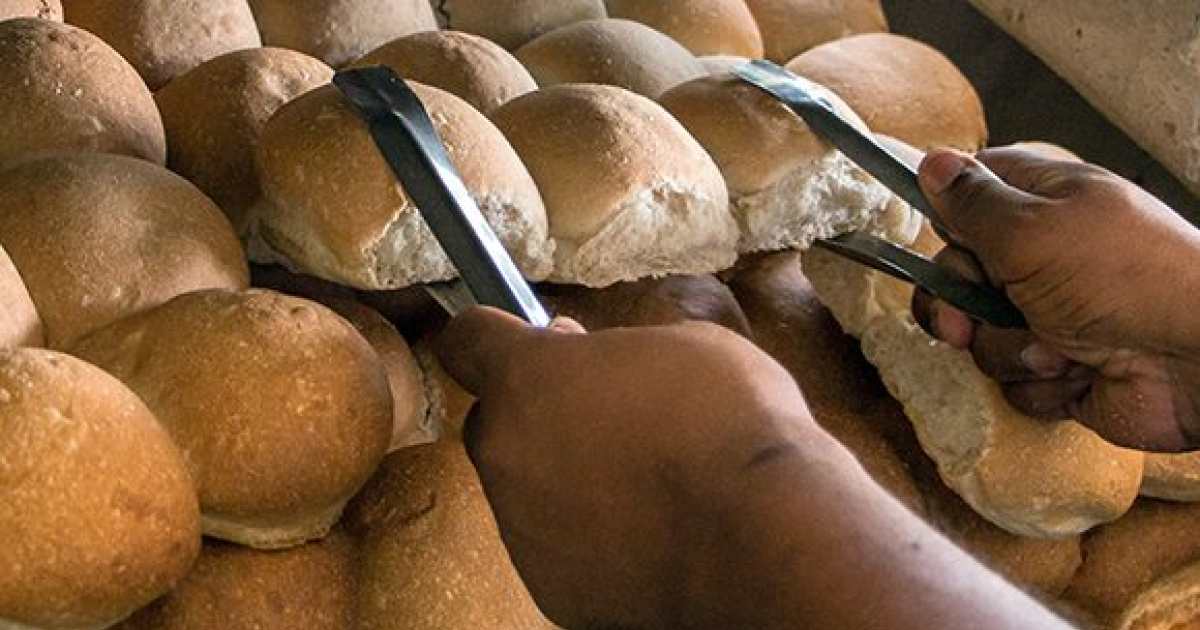
The shortage of wheat flour has worsened the already critical distribution of bread in the province of Santiago de Cuba, local authorities reported this Thursday.
The mill in the province remains idle due to a lack of wheat, and the supply depends on limited deliveries from Havana, according to a report from the official newspaper Sierra Maestra.
Edelva Marín Medina, coordinator of programs and objectives for trade in the provincial government, confirmed that currently only one to two truckloads of flour are received every two days, an amount insufficient to meet the demand for bread in the provincial capital and its municipalities.
Amid the crisis, the government announced a rotating distribution system: the first truck that arrives is allocated to Santiago de Cuba and essential social consumption—such as hospitals and childcare centers—while the next is distributed among the remaining municipalities, in order to lessen the impact on the population, the newspaper indicates.
The deterioration in the quality of bread has been another effect of the shortage. The bakeries are facing difficulties in maintaining product standards due to the lack of key ingredients such as oil and sugar.
"The shortage of flour not only prevents bread from arriving on time but also severely affects its quality. It is harder, smaller, and has an irregular taste," commented a resident of the Abel Santamaría neighborhood.
Interruptions in bread distribution seriously impact the population and highlight the government's inability to ensure the most basic food supply, even through rationing.
This precarious situation extends to other provinces.
In Guantánamo, for example, the authorities have decided to limit the distribution of regulated bread exclusively to children aged 0 to 13 and to prioritized institutions such as hospitals and schools.
Meanwhile, in provinces like Matanzas, it is suggested to sell croquettes as a substitute for bread.
In a country where the rationed bread has been a symbol of subsistence and social control for decades, its disappearance is also a symbol of failure.
In their most recent update, local authorities detailed that the distribution of the basic basket is also facing delays, although some supplies remain active. Among the products already delivered in Santiago de Cuba are 5 pounds of rice (April), peas (April and May), black beans (April), and coffee (April, throughout the province).
Food donations are also being distributed: one kilogram of rice for children aged 0 to 13 and seniors over 65, corresponding to the month of May.
Provincial authorities urged the population to stay informed through official channels and assured that efforts are ongoing to achieve an equitable distribution of resources amid the complex national economic situation.
Santiago de Cuba is one of the provinces most affected by the shortage of basic food items, in a context marked by a decline in imports, internal transportation issues, and the country's financial constraints.
Frequently Asked Questions about the Bread Shortage in Santiago de Cuba
What is the main cause of the bread shortage in Santiago de Cuba?
The lack of wheat flour is the main cause of the bread shortage in Santiago de Cuba. The local mill is halted due to the lack of wheat, and the supply relies on limited deliveries from Havana. This situation has resulted in a rotating distribution system that fails to meet the population's demand.
How does the scarcity of flour affect the quality of bread in Santiago de Cuba?
The shortage of flour severely impacts the quality of bread. Bakeries are facing difficulties in maintaining standards due to the lack of key ingredients such as oil and sugar. This has resulted in bread that is harder, smaller, and has an inconsistent taste, according to testimonies from residents.
What measures has the government taken to address the bread shortage in Santiago de Cuba?
The government has implemented a rotating distribution system for flour. The first truck that arrives is designated for Santiago de Cuba and essential social consumption, such as hospitals and childcare centers. The next distribution is shared among other municipalities. However, this measure has not been sufficient to meet the demand.
What other provinces in Cuba are affected by the bread shortage?
The shortage of bread is also severely affecting provinces such as Guantánamo, Matanzas, and Ciego de Ávila. In Guantánamo, distribution has been limited to children aged 0 to 13 and prioritized institutions. In Matanzas, croquettes have been suggested as a substitute for bread, and in Ciego de Ávila, sales have been restricted to alternate days due to a lack of flour.
What does the scarcity of bread symbolize in the political and social context of Cuba?
The disappearance of bread from the ration booklet is a symbol of the failure of the socialist system in Cuba. For decades, bread has been a symbol of survival and social control. Its scarcity reflects not only the food crisis but also the collapse of a system that fails to guarantee the most basic foods to its population.
Filed under: