
Related videos:
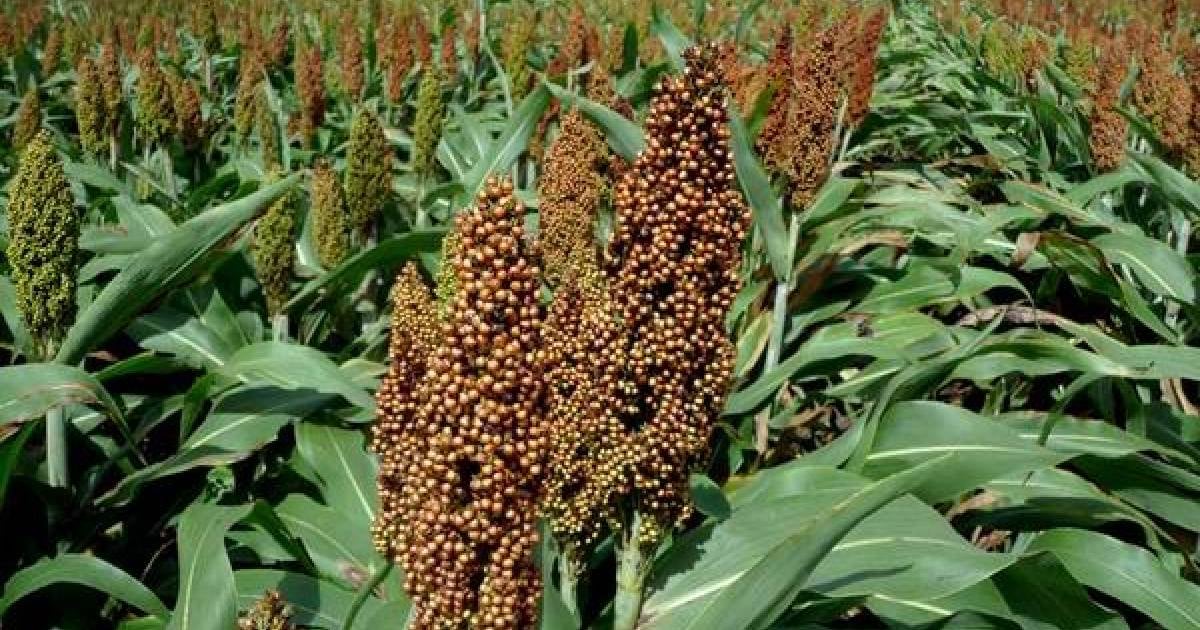
With empty markets and exhausted fields, the province of Guantánamo is turning its attention to the experimental cultivation of wheat and sorghum as an agricultural lifeline amid an unrelenting food crisis.
The initiative was assessed this week during a meeting at the University of Guantánamo (UG) in response to the need to find more resilient crops suited to the climatic conditions of eastern Cuba, highlighted the official newspaper Venceremos.
From September 2024 to January 2025, three experimental plantings have been carried out with yields between 1.93 and 4.04 tons per hectare, explained Alain Castañeda Álvarez, an Agronomy student at UG and the researcher in charge as part of his undergraduate thesis, in collaboration with the Agricultural Research Center of Universidad Central Martha Abreu de Las Villas.
According to Castañeda, the results indicate potential in the province for both crops, which provide food for both animals and humans.
"The wheat obtained experimentally was used to produce flour for bread and pastries, while efforts are underway to implement sorghum as part of municipal food security," the media outlet stated.
The projections, although positive in the official discourse, are still nothing more than plans in the testing phase. The meeting where the results were presented included the First Secretary of the Party in the province, Yoel Pérez García, municipal authorities, and professors from the UG, who learned about other similar experiments focused on grain production “that will contribute to food sovereignty in the short and medium term,” he emphasized.
In a country where high costs, the deterioration of the agricultural system, and the lack of basic inputs hinder any attempt at innovation, discussing "potentialities" is not enough. The wheat and sorghum project in Guantánamo reflects more of an intention than an achievement.
While the authorities celebrate the trials with wheat and sorghum as signs of progress, the reality of other strategic crops calls this narrative into question, as demonstrated by the recent potato harvest in Guantánamo, the most recent attempt to expand the tuber which ended in failure.
In April, it was reported that the Pastures and Forages Science and Technology Unit of Sancti Spíritus is experimenting with the cultivation of over 25 varieties of sorghum and plans to link with the industry to produce food that would particularly benefit celiac individuals, including 42 children diagnosed with the disease in the area.
This program could become a local agricultural solution to a chronic and unmet medical need in Cuba: a safe and accessible diet for celiac patients.
The celiac disease is an autoimmune disorder in which the consumption of gluten—found in wheat, barley, rye, and some varieties of oats—damages the small intestine. This condition hinders nutrient absorption and can only be managed with a strict gluten-free diet.
If it is already difficult in Cuba for its residents to access a rich and balanced diet, the situation is even worse for those who have been diagnosed with celiac disease.
In the country, there are about 900 people diagnosed with celiac disease; however, it is estimated that there may be others who remain asymptomatic, pointed out in May 2024 by the official newspaper Granma.
In 2020, a report published in Juventud Rebelde highlighted the difficult situation faced by those unable to consume products such as bread, cookies, pizza, noodles, sweets, milk, ice cream, cold cuts, and instant soups, among others.
The Cuban agricultural sector has faced multiple challenges in recent years, such as the aging of machinery, the shortage of fertilizers and supplies, as well as the restrictions imposed on small private producers. Additionally, there is the issue of rampant inflation and the logistical difficulties stemming from the economic crisis the country is currently experiencing.
The latest official data reflects significant drops in the production of essential food items such as pork, rice, root vegetables, eggs, cow's milk, beans, and vegetables, a situation that confirms a severe food crisis in Cuba.
Frequently Asked Questions about the Food Crisis in Guantánamo
What experimental crops are being implemented in Guantánamo to tackle the food crisis?
Guantánamo is experimenting with the cultivation of wheat and sorghum as a solution to confront the food crisis. These crops are considered more resilient and better adapted to the climatic conditions of the region.
What is the objective of sorghum cultivation in Cuba?
The main objective of planting sorghum in Cuba is to produce gluten-free foods for people with celiac disease. This is crucial in a country with limited access to suitable products for those suffering from this condition.
What challenges does agriculture face in Guantánamo?
Agriculture in Guantánamo is facing issues such as a lack of supplies, outdated machinery, and adverse weather conditions. These factors have led to the failure of crops like potatoes and to a profound food crisis in the region.
How does the flour shortage affect the population of Guantánamo?
The shortage of flour has led to restrictions on the distribution of regulated bread, limiting its delivery to children and certain priority institutions. This exacerbates the food crisis that the population is already facing.
Filed under: