
Related videos:
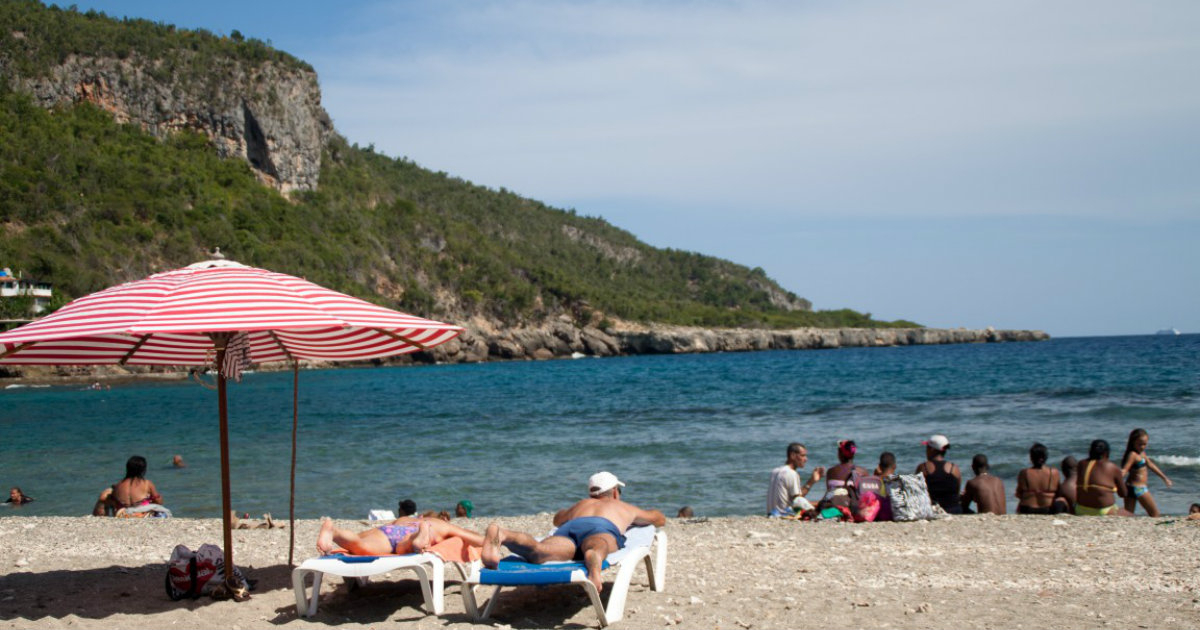
The coastlines of Guamá and Baconao, in Santiago de Cuba, are considered high-risk areas for swimmers due to their natural and geographical conditions.
Thus warned Aris Arias Batalla, provincial chief of Operations and Relief / Aquatic Safety, in a post on Facebook where he provided key details about the dangers faced by those who dive into these seemingly calm waters.
These coasts are exposed to strong sea currents and irregular waves, especially during the hurricane season.
Rip currents, also known as return currents, are common and can pull swimmers out to sea in a matter of seconds, putting their lives in serious danger.
Unlike other sandy beaches, the coastlines of Guamá and Baconao feature steep bottoms with sharp rocks and corals, increasing the risk of cuts and accidents while swimming.
In areas like Playa Cazonal in Baconao, the sea may appear calm, but it hides sudden changes in depth that can catch even the most experienced swimmers by surprise.
Santiago de Cuba is a region prone to intense rains and sudden floods from nearby rivers, which also affects security in the coastal area.
Weather conditions can change abruptly, with gusty winds and a sudden increase in wave height, even on sunny days.
The lifeguard also warned about the presence of jellyfish and, in deeper areas, sharks.
Although attacks are rare, the risk exists and should be taken into account by visitors, he emphasized.
Among the recommendations shared are not to swim alone, avoid going too far into the sea, respect warning signs, and consult locals about maritime conditions.
He also insisted on not bathing during days of rough waves or after heavy rains.
"These coastlines are beautiful, but their wild nature makes them risky if precautions are not taken," warned the head of aquatic safety.
His call seeks to raise awareness about the dangers that can lurk in natural tourist destinations, often underestimated due to their serene appearance.
The alert from Arias comes just hours after a person drowned this Sunday at Juraguá beach, in the province of Santiago de Cuba.
Additionally, a painful tragedy struck the Boniato neighborhood, also in Santiago de Cuba, following the drowning of the teenager Rosa María Espinosa Quesada, affectionately known as "Rosita" or "La Flaca," which occurred at the Chalons reservoir.
The incident led rescuer Arias to publicly reiterate the dangers of swimming in unauthorized areas and to share a series of key tips to prevent fatal accidents during the summer.
Frequently Asked Questions about the Dangers of Santiago de Cuba Beaches
What are the main hazards of the beaches in Santiago de Cuba?
The beaches of Guamá and Baconao in Santiago de Cuba are dangerous due to strong currents, irregular waves, and steep underwater terrain with sharp rocks and corals. These factors increase the risk of drowning and accidents. It is crucial for swimmers to take precautions and be informed about the conditions before entering the water.
What recommendations should be followed to avoid accidents on the beaches of Santiago de Cuba?
It is recommended to not swim alone, avoid going too far out into the sea, respect warning signs, and consult locals about maritime conditions. Additionally, it is advisable not to bathe on days with strong waves or after heavy rain.
Why are rip currents dangerous and how should you act if you get caught in one?
Rip currents are dangerous because they can quickly pull swimmers out to sea. If you get caught in a rip current, it is crucial not to swim against it. Instead, relax, float, and swim parallel to the shore until you are out of the current, or ask for help if you cannot escape.
What other natural hazards exist on the beaches of Santiago de Cuba?
In addition to currents and waves, the beaches of Santiago de Cuba pose a risk of encountering jellyfish and, in deeper areas, sharks. While encounters with sharks are rare, it is a risk that bathers should take into consideration.
Filed under: