
Related videos:
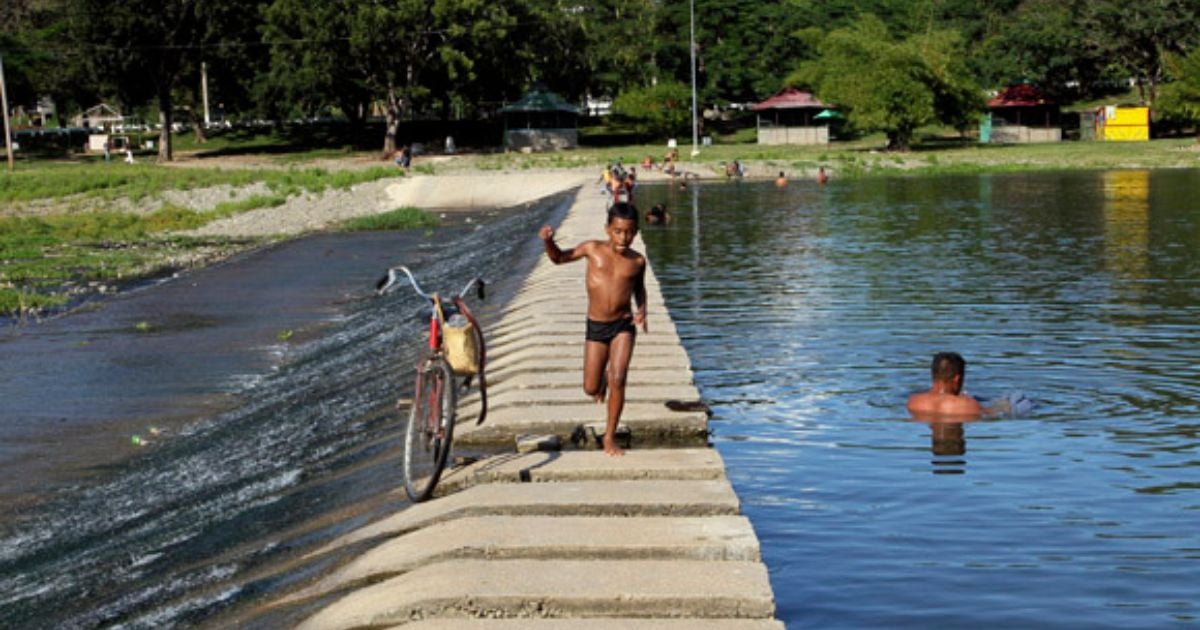
The recent death of a teenager in a reservoir in Santiago de Cuba prompted rescuer Aris Arias Batalla to publicly reiterate the dangers of swimming in unauthorized areas and to share a series of key tips to prevent fatal accidents during the summer.
The provincial manager of Operations and Relief / Aquatic Safety expressed regret on Facebook over the loss of the young girl, who had just turned 16 a few days before the tragic event.
"My condolences to the family, friends, and acquaintances. It's not the first time I've addressed this issue," wrote Arias, visibly distraught.
He recalled that, during previous visits to all the municipalities in the territory, he had warned the local authorities about the need to strengthen the prohibitions on public bathing in dangerous areas such as dams, reservoirs, and unmonitored zones.
He reiterated that these measures are not the result of arbitrary decisions, but rather safety regulations designed to protect human lives.
According to the explanation, the dams are not designed for human recreation, as the apparent calm of their waters conceals dangerous currents, whirlpools, and abrupt changes in water levels caused by technical operations.
In addition, the foundation of these structures is often unstable: it may contain silt, rocks, debris, or submerged structures that are invisible from the surface and can cause entrapments or fatal blows.
Another threat, less visible but equally dangerous, is the water temperature in deep areas.
In many cases, a sudden temperature change can cause a bodily shock that immobilizes the person, making them unable to react.
This is compounded by health risks, as many dams supply drinking water to nearby communities, and their contamination poses a public health issue.
Arias also took the opportunity this Sunday to remind in another post about the dangers associated with diving headfirst in rivers, reservoirs, beaches, and pools, especially if the depth of the location is unknown.
He explained that these types of practices are often responsible for severe spinal injuries that, in many cases, result in irreversible consequences such as paralysis or even death.
Although these tragedies may seem distant, the rescuer warned that they occur more frequently than believed, particularly during the summer months and among young people.
The lack of visibility in the water, the presence of hidden obstacles, or poor depth perception can turn a moment of fun into an irreversible tragedy.
The recommendation is clear: before diving into the water, it is essential to ensure that the location is safe, avoid jumping from improvised structures or from great heights, and, in case of doubt, refrain from doing so.
"Diving into the water without knowing the terrain is recklessness that can cost lives," he emphasized.
If an accident occurs, Arias recalled that one should not move the affected person abruptly, as the most important thing is to carefully get them out of the water, place them on a firm surface, and keep their head and neck immobilized.
It is also important to check if the person is breathing, and if they are not, attempt to clear the airways before immediately contacting emergency services—104 for SIUM or 105 for Firefighters—and follow their instructions carefully.
The specialist also warned that transferring an injured person using private means can worsen their condition. While he acknowledged the current difficulties of the ambulance system in Cuba, he insisted that a safe evacuation with minimal movement must be prioritized.
"Every rule that is respected is a life that is protected," concluded Arias in his message.
Frequently Asked Questions about Water Safety in Reservoirs in Cuba
Why is it dangerous to swim in dams and reservoirs in Cuba?
Swimming in dams and reservoirs is dangerous due to hidden currents, whirlpools, and sudden changes in water level. These areas are not intended for human recreation, and the bottom can be unstable, containing silt, rocks, or submerged structures that are not visible from the surface. Additionally, the water temperature in deep areas can change abruptly, causing a body shock that immobilizes the person.
What are the health risks of swimming in reservoirs?
The main health risk of swimming in reservoirs is the potential contamination of the water. Many reservoirs supply drinking water to nearby communities, and their contamination can pose a public health issue. Furthermore, contact with untreated water can lead to illnesses in swimmers.
What recommendations should be followed to prevent accidents in aquatic areas?
To prevent accidents in aquatic areas, it is essential to verify that the location is safe before diving into the water. Jumping from improvised structures or from great heights should be avoided, one should know the depth of the water, and in case of doubt, refrain from jumping. It is also crucial to follow safety regulations and not swim in unauthorized areas.
What should be done in case of a water accident?
In the event of a water accident, the affected person should not be moved abruptly. The most important thing is to carefully remove them from the water, place them on a firm surface, and keep the head and neck immobilized. It is essential to check if they are breathing, and if not, attempt to clear the airways before immediately contacting emergency services and following their instructions carefully.
Filed under: