
Related videos:
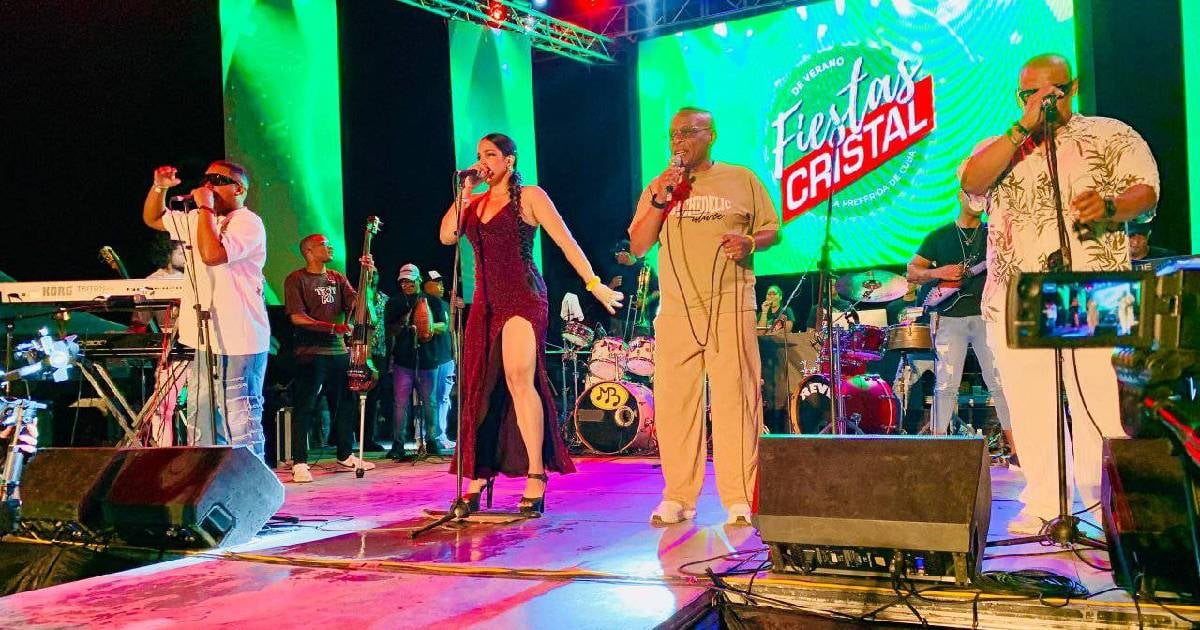
With an oscuras and crisis-hit Holguín, the local government organized the so-called Fiesta Cristal, a revelry with beer and concerts that sparked public outrage due to its excess, opportunism, and complete disconnection from the reality of the people.
The third edition of the event, organized by Cervecería Bucanero S.A. and MB Producciones, took place on Saturday, July 12, in the vicinity of the major general Calixto García stadium, located in the well-known Cuban City of Parks. It featured artistic direction by actress and television presenter Edith Massola, and there was no shortage of beer, live music, and plenty of electric consumption.
The show featured musical groups such as Maykel Blanco and his Salsa Mayor, Elito Revé and his Charangón, Juan Guillermo Almeida (JG) and Wildey, “with free entry for everyone,” highlighted the station Radio Taíno.
These types of parties, "which have already taken place in Santiago de Cuba and will soon arrive in Havana," are part of the official summer campaign "Always Young," and included 16 tents serving Cristal beer, raffles, games, and concerts until 2:00 a.m., according to information shared on the Facebook pages of official media such as the newspaper ¡Ahora! and the station Radio Angulo.
Even the Benny Moré Hall and the Charles Chaplin café - cultural centers of Artex in Holguín - closed their doors that day to join in the event, promising "art and good company."
But the population did not celebrate. On social media, many referred to the event as a "national embarrassment."
The journalist Annarella Grimal recalled through her profile on Facebook that the celebration coincided with the fourth anniversary of the protests on July 11 and 12 in Cuba, known as 11J, “in which thousands of people spontaneously took to the streets across the country to demand the end of the dictatorship.”
The outbreak occurred “in a context of economic and health crisis that, in turn, triggered the uncontrolled repression by the Government, with at least one dead, and the imprisonment of more than 1,000 Cubans, including women, the elderly, and minors,” he contextualized.
The Cuban government diminished the legitimacy of the massive protests on July 11, arguing that they had been organized from the United States. However, it was an unprecedented day of civic bravery that ended in violent repression following the words of President Miguel Díaz-Canel on national television, when he stated: “The order to combat is given”.
Additionally, Grimal pointed out that the Fiesta Cristal also coincided “with the 31st anniversary of the massacre of the tugboat '13 de Marzo' (which occurred on July 13, 1994), in which over 40 people, including women and children, lost their lives due to the sinking of the boat, ordered by MININT, while they were attempting to flee to the United States.”
The date, both symbolic and painful, contrasted sharply with the official euphoria enforced from the stages.
While the event's free admission was announced, users reported VIP areas with unlimited beer, exclusive wristbands, and restricted access for leaders and those close to power. "It was free for those on stage," commented a user on Facebook, while another person sarcastically asked, "Will they give away beer too?"
The double standard was another target of criticism, particularly aimed at Edith Massola, the event's director, who was pointed out for promoting joy "from afar," while her family resides outside the country.
There were also ironic comments about the absence of figures like Sandro Castro, grandson of the dictator Fidel Castro, mentioned in several sarcastic remarks: “Is Sandrito not coming?”, “Let him find out…”, referring to his promotional videos for Cristal beer.
The excessive use of electricity to power lights, sound systems, and refrigerated tents has also raised questions. “Why don’t they save some of that power and give us a little more to sleep?” wrote an internet user, reflecting the frustration over the systematic blackouts that are suffocating the majority.
All of this while the neighbors of the Holguin neighborhood El Llano report entire days without electricity.
Another young person referred to the growing public insecurity in the country: “Yes, everything is very nice, but the bad thing is that the thugs wait for the party to end to strike and take things from people.”
According to Grimal, "users agreed that these festivities do not represent the people, but rather a privileged elite that 'continues to mock the average Cuban'."
In the midst of hunger, heat, repression, and despair, this supposed "party of the people" left a bitter taste. Ordinary Cubans struggle to understand how so many resources are allocated to festivities and shows while food is scarce, hospitals are deteriorating, and the energy collapse hits the most vulnerable the hardest.
Instead of using the little that remains to alleviate the crisis, the government prefers to put on shows. They do this with enthusiasm, even though they receive fewer applauses each time. For many, it was nothing more than a smokescreen and a waste that only highlights, once again, the disconnection between those in power and those who suffer.
It is not the first time that citizens have questioned this type of event. In February, the celebration of an extravagant dinner as part of the Havana Festival celebration at the Capitol in Havana, was a clear example of this disconnection.
While the country faces widespread blackouts and basic shortages, the elite gathered at the National Assembly to celebrate the exclusivity of Cuban tobacco in an event that is far removed from the everyday struggles of the average citizen.
The First Lady, Lis Cuesta, has publicly defended the holding of these luxury events, arguing that "they are part of the national identity and cannot be suspended."
Frequently Asked Questions about the Cristal Festival in Holguín and the Crisis in Cuba
Why did the Fiesta Cristal cause outrage in Holguín?
The Fiesta Cristal sparked outrage as it took place amidst blackouts and an economic crisis in Holguín. The celebration was viewed as a waste of resources and a disconnection of the government from the needs of the people, who are suffering from shortages of food and basic services. The party coincided with symbolic dates of pain for the Cuban people, which heightened social discontent.
What symbolic coincidences did the Fiesta Cristal have with historical events in Cuba?
The Fiesta Cristal in Holguín coincided with the fourth anniversary of the protests on July 11 (11J) and the 31st anniversary of the "13 de Marzo" tugboat massacre. Both events are remembered for the repression and suffering of the Cuban people, which intensified the perception of the government's insensitivity in celebrating a festive event on these dates.
How does the energy crisis affect the Cuban population?
The energy crisis in Cuba has led to prolonged blackouts that seriously affect the daily lives of citizens. Cubans are facing difficulties in refrigerating food, cooking, and carrying out basic activities due to the lack of electricity. This situation has resulted in increased social unrest and criticism of the government for its handling of the crisis.
What has been the population's reaction to events like the Fiesta Cristal?
The population's reaction has been one of great discontent and indignation. Many Cubans see these events as a sign of the disconnection between the government and the real needs of the people, who are suffering from an unprecedented economic and energy crisis. On social media, citizens have expressed their frustration and questioned the priority of organizing festive celebrations while the country is facing serious difficulties.
Filed under: