
Related videos:
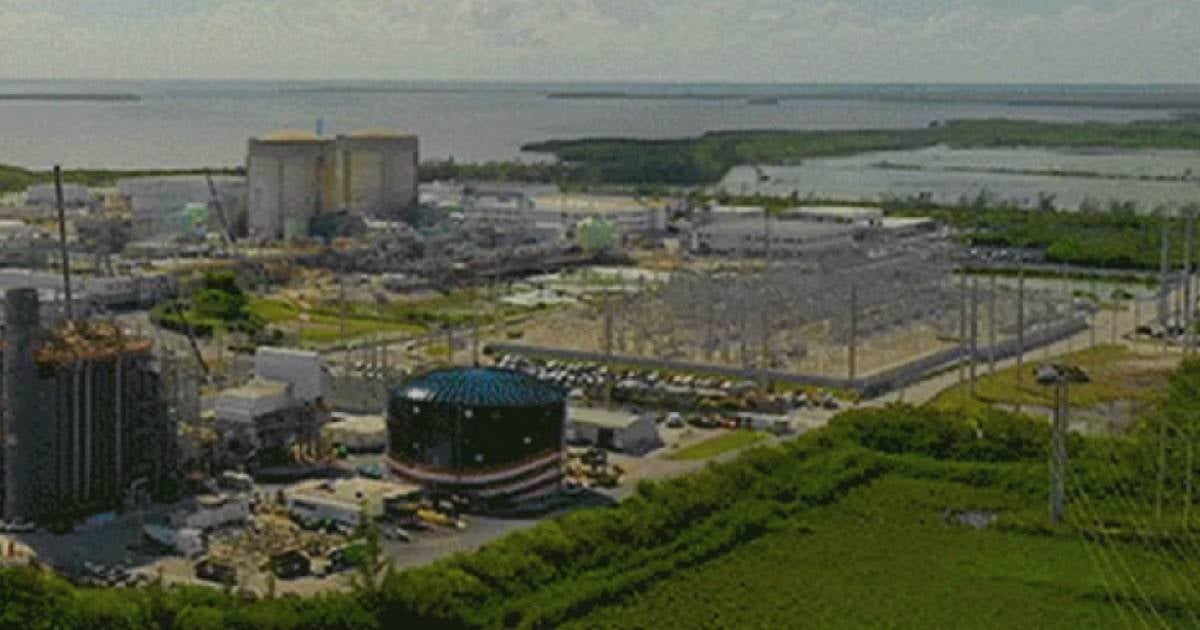
Environmental groups and representatives of the Miccosukee indigenous tribe issued an urgent warning about the environmental and safety risks associated with the Turkey Point nuclear plant, located just 40 kilometers from Miami, on the southern Atlantic coast of Florida.
The facility, which provides electricity to millions of people, has become a vulnerable point due to the effects of climate change, rising sea levels, and the increasing intensity of hurricanes, they claim.
The plant, in operation since 1970, has been highlighted for its direct exposure to extreme weather events. “Turkey Point is very vulnerable due to many factors, but we cannot forget the most important one: there are more than three million people living within an 80-kilometer radius,” warned Rachel Silverstein, director of the organization Miami Waterkeeper, in statements to the Spanish news agency EFE.
According to Silverstein, the infrastructure has endured the passage of time and events such as Hurricane Andrew in 1992. Currently, the rise in sea level and the low elevation of some critical areas of the facility pose an increasing risk.
Concern is mounting as projections indicate an "extremely active" hurricane season, according to NOAA, with between 17 and 25 named storms expected this year.
“If a category five hurricane strikes the area, the seawall will not be able to stop a significant storm surge,” warned Curtis Osceola, policy advisor for Miccosukee leadership. His ancestral community resides in the Everglades, an ecosystem adjacent to the plant.
Florida Power & Light (FPL), operator of Turkey Point, located in the agricultural area of Homestead, has dismissed the concerns.
According to their spokesperson Desiree Ducasa, the plant withstood the direct impact of Hurricane Andrew without structural damage and has been reinforced following the Fukushima nuclear disaster in 2011.
"We are located 6.1 meters above sea level and protected against cyclonic waves," Ducasa noted.
However, experts remind us that Hurricane Katrina reached a storm surge of 8.5 meters in 2005, raising concerns about the adequacy of current defenses.
However, in 2016, Vizcaíno Bay, which is home to a natural protection area with one of the three largest coral reefs in the world, was polluted by the nuclear plant, which leaked water with high levels of tritium into the sea.
According to a study released at that time by the Miami-Dade government, the leaks were found in the cooling canals connected to the Turkey Point nuclear power plant.
The study from the University of Miami detected tritium, a radioactive form of hydrogen that is considered a "tracer" for leaks from nuclear power plants.
Beyond the climate dangers, environmentalists are denouncing that the cooling channel system of the plant —which stretches over 270 km— has contributed to the formation of a hypersaline plume that threatens the fragile local ecosystem.
Although FPL acknowledges that it will not meet its containment goals for 2028, it asserts that wildlife in the area is "thriving," and notes the growth of the American crocodile population as a sign of environmental health.
Turkey Point operates under a 80-year extended license granted by the Nuclear Regulatory Commission (NRC), even though the average lifespan for other plants is between 40 and 60 years. This decision has been challenged by organizations such as Miami Waterkeeper.
Environmentalists and indigenous leaders are demanding that the plant adopt modern cooling towers instead of continuing to use open channels with seawater. However, modernization entails strict regulations and high costs, which delay potential transformations.
"The risk is cumulative. Every year that passes without modernization is another year of exposure," Osceola warned.
Preguntas frecuentes sobre la central nuclear Turkey Point y sus riesgos ambientales
What are the main environmental risks of the Turkey Point nuclear plant in Florida?
The main environmental risks of the Turkey Point nuclear power plant include its vulnerability to rising sea levels and extreme weather events such as hurricanes. The plant is exposed to leaks of tritium-laden water, a radioactive element, and the formation of a hypersaline plume that threatens the local ecosystem. These issues are exacerbated by the aging infrastructure and exposure to increasingly severe weather conditions.
Why is the Turkey Point power plant especially vulnerable to hurricanes?
The Turkey Point facility is vulnerable to hurricanes due to its low elevation and proximity to the sea. Although the plant is located 6.1 meters above sea level, storm surges can exceed this height, as occurred with Hurricane Katrina in 2005, which reached 8.5 meters. Additionally, the infrastructure has aged, and the location in a region of high cyclonic activity increases the risk of severe damage.
What measures have been taken to modernize the Turkey Point nuclear power plant?
Florida Power & Light has reinforced the Turkey Point plant following the Fukushima nuclear disaster in 2011. However, the proposal to modernize it with new cooling towers faces strict regulations and high costs, which have delayed its implementation. The plant continues to operate under an extended license, despite concerns regarding its safety and environmental sustainability.
How does climate change affect the safety of the Turkey Point nuclear plant?
Climate change increases the risk of flooding and more intense hurricanes in the area where the Turkey Point plant is located. This endangers the plant's infrastructure and raises the likelihood of nuclear accidents. Projections of more active hurricane seasons and rising sea levels pose significant threats to the safety of the plant.
Filed under: