
Related videos:
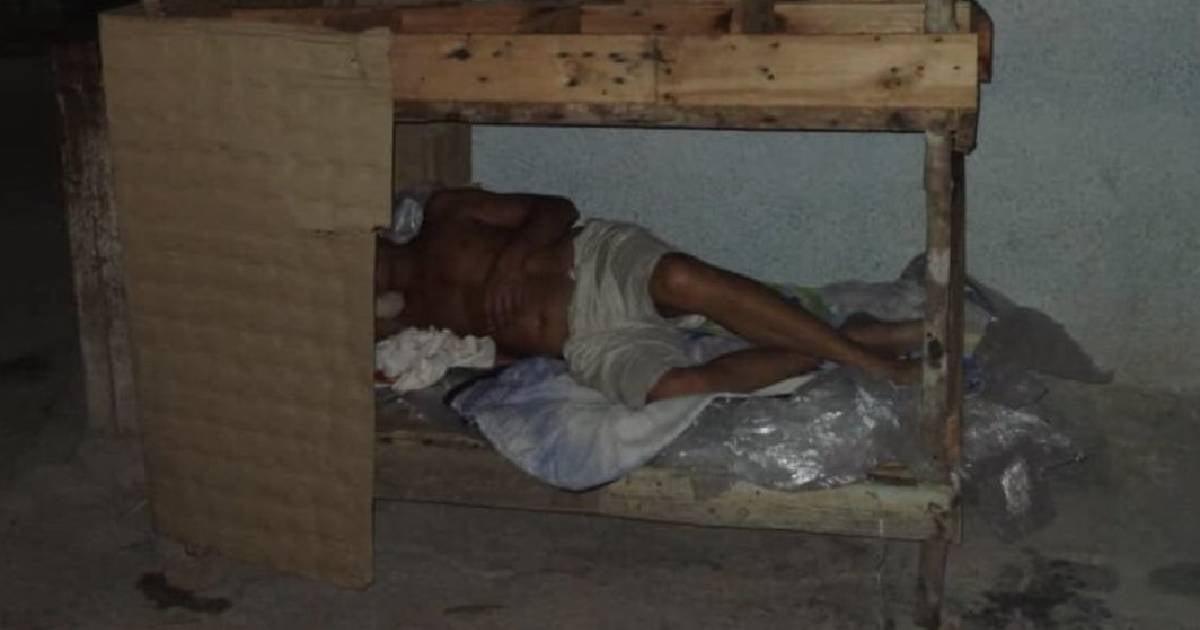
Images of entire Cuban families sleeping on the street, on makeshift mattresses and under sweltering heat, have resurfaced in recent weeks due to power outages and the oppressive summer heat on the island.
Journalist Mario J Pentón published a photograph taken in the Vista Alegre neighborhood in Holguín, showing a man sleeping in the street, while neighbors reported that they had been without electricity for over 20 hours.
“This is brutal, inhumane,” denounced a resident who recorded the scene and called for “the world to see the reality that (the regime) wants to hide.”
They claim they are forced to leave their homes in search of some relief from the intense heat.
It is not an isolated case. Throughout the country, prolonged blackouts of up to 20 hours a day are occurring repeatedly.
Last year, these scenes were very frequent and generated great indignation.
A mother in Santiago de Cuba showed her sleeping children in the doorway at dawn because the high temperatures and mosquitoes made it impossible to stay inside. “They can't sleep or go to school. They have to rest on the floor,” she stated.
Meanwhile, the electricity deficit on the island has exceeded 1800 MW for several days, resulting in endless blackouts for most of the population.
Frequently Asked Questions about the Energy Crisis in Cuba
Why are Cubans sleeping in the streets due to power outages?
Cubans are forced to sleep on the streets due to prolonged power outages that can last up to 20 hours a day, combined with the intense summer heat. The lack of electricity prevents the use of fans or air conditioning, making it unbearable to stay inside their homes.
What is the extent of the electrical deficit in Cuba?
The electrical deficit in Cuba exceeds 1800 MW, which causes prolonged blackouts in several provinces of the country. This energy crisis is one of the worst in decades and has severely impacted the daily lives of citizens.
What are the consequences of prolonged blackouts on the health of Cubans?
Extended blackouts pose a significant risk to the physical and mental health of Cubans. The lack of electricity means not being able to use fans or air conditioning during the night, leading to sleep disturbances, chronic fatigue, and increasing the risk of mosquito-borne diseases such as dengue.
How are citizens responding to the energy crisis in Cuba?
Many Cubans are seeking alternative solutions to face the energy crisis, such as installing solar panels in their homes. However, most continue to suffer the consequences of blackouts, affecting their quality of life and generating deep discontent with the government.
Filed under: