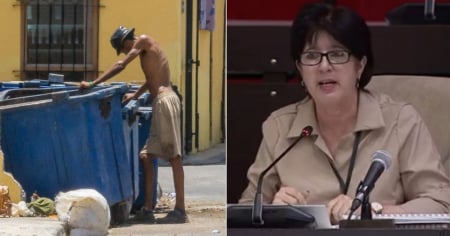
Starting in September 2025, the Cuban government will implement an increase in pensions for age, disability, and the death of a spouse, benefiting those currently receiving up to 4,000 pesos. However, this adjustment, while welcomed by some, does not resolve the precariousness faced by thousands of retirees on the island, where the cost of living continues to soar and access to essential goods is increasingly limited.
According to the official information published, the following changes will be implemented:
- To the 438,572 retirees who receive the minimum pension of 1,528 pesos, the pension will be doubled, reaching 3,056 pesos.
- Those who earn between 1,528 and 2,472 pesos will receive a fixed increase of 1,528 pesos.
- Pensioners with incomes between 2,472 and 4,000 pesos will have their pension adjusted to a maximum of 4,000 pesos.
Although Prime Minister Manuel Marrero stated that these measures aim to improve the situation of the most vulnerable, the country's economic reality contradicts any promise of relief.
In Cuba, a simple carton of eggs can exceed 3,000 pesos, while most essential products —such as oil, detergent, chicken, or powdered milk— are only sold in dollars or MLC, a currency that the State neither pays nor sells to the population in their salaries or pensions. This situation forces millions of citizens to rely on remittances from abroad.
The government itself has acknowledged this unsustainable gap. In recent statements, Vice President Salvador Valdés Mesa stated bluntly:
"Our retirees have an average pension of 1,525 pesos. You can't live on that; with an average salary of 5,000 pesos, you can't live, nor with 6,000 pesos... You can't live given the prices these days."
During the same session of the National Assembly of People's Power in which the pension increase was announced, Marrero also promised to consider an increase in the state minimum wage, another urgent demand amid rampant inflation and a sustained devaluation of the Cuban peso.
Despite the announcements, the perception among citizens is clear: the adjustments remain insufficient in light of the severe economic crisis the country is facing. For many retirees, even after the increase, they will still depend on family support to survive.
Frequently Asked Questions about Pension Increases in Cuba and Their Impact
What changes will be implemented in the pensions of retirees in Cuba starting September 2025?
Starting from September 2025, the Cuban Government will increase pensions for those currently receiving up to 4,000 pesos per month. Retirees receiving the minimum pension of 1,528 pesos will see their pension doubled to reach 3,056 pesos. Those who earn between 1,528 and 2,472 pesos will receive a fixed increase of 1,528 pesos, and retirees with incomes between 2,472 and 4,000 pesos will see their pensions adjusted up to a maximum of 4,000 pesos.
Is the increase in pensions sufficient to cover the cost of living in Cuba?
No, the increase in pensions is not enough to cover the cost of living in Cuba. Despite the increase, the cost of basic products such as a carton of eggs or a liter of oil remains extremely high, in some cases exceeding the amount of the pensions. Furthermore, many essential products are only available in dollars or MLC, currencies that the State does not provide to citizens in their salaries or pensions.
How does inflation affect Cuban retirees?
Inflation in Cuba has significantly eroded the purchasing power of retirees. The prices of food and other basic products have increased considerably, making current pensions insufficient to cover basic needs. Many retirees rely on remittances from abroad to survive, as their income does not reach the minimum diet or cover other essential expenses.
What has the Cuban government said about the economic situation of retirees?
The Cuban government itself has acknowledged that current pensions are insufficient for a decent living. In recent statements, Vice President Salvador Valdés Mesa asserted that an average pension of 1,525 pesos is not livable, and Prime Minister Manuel Marrero Cruz has promised to review an increase in the state minimum wage, although no concrete solutions have been presented to address the economic crisis facing retirees.
Filed under: