
Related videos:
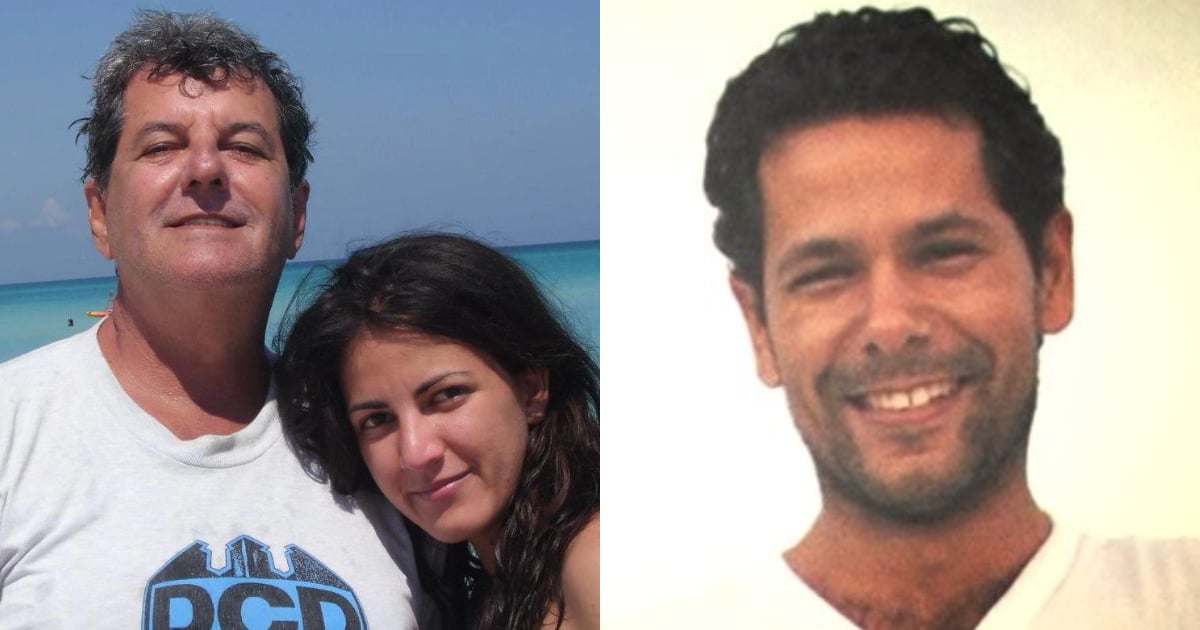
Cuban activist Rosa María Payá remembered this Tuesday the assassination of her father, opposition leader Oswaldo Payá, and young activist Harold Cepero, victims of a state crime that occurred on July 22, 2012.
In a heartfelt tribute, the daughter of the founder of the Christian Liberation Movement reiterated that both were murdered by the regime in Havana.
"The dictators destroyed their bodies, and that was exactly the limit of their power," wrote Rosa María Payá on her social media, accompanying the message with the hashtags #PayáLives, #HaroldLives, and #TheNightWillNotBeEternal.
The activist emphasized in a commemorative video that the Cuban regime attempted to silence her father, erase his cause, and extinguish his legacy, but it failed to silence his message or hinder the hope for a free country.
"They tried to silence him, but they couldn't. Payá lives on in every young person who protests, in every political prisoner who resists. The night will not be eternal. In fact, it is dawning," he emphasized.
The crime occurred under circumstances that have never been clarified by the Cuban regime. Payá and Cepero died when the car they were traveling in was struck by another vehicle, an event that witnesses and international organizations have labeled as a political attack.
In parallel to the commemoration, Rosa María Payá, a member of the Inter-American Commission on Human Rights (IACHR), expressed her gratitude to several U.S. Congress members for supporting her father's memory and honoring his legacy through a symbolic act of great political and moral value.
The bill promoted by Congressman Mario Díaz-Balart and supported by colleagues such as María Elvira Salazar, Carlos Giménez, Frederica Wilson, Darren Soto, and Nicole Malliotakis seeks to rename the street in front of the Cuban Embassy in Washington D.C. as “Oswaldo Payá Way.”
“Naming the street in front of the Cuban embassy after Oswaldo Payá is an act of justice and hope,” the activist expressed in a message of gratitude to the legislators.
Oswaldo Payá was one of the most influential dissidents in Cuba's recent history. His work through the Varela Project, which collected thousands of signatures to demand democratic reforms within the framework of Cuban law, earned him international recognition, including the Sakharov Prize for Freedom of Thought from the European Parliament.
Harold Cepero, a young economist and also a member of the Christian Liberation Movement, was an emerging promise of civic activism, whose life was cut short at the age of 32.
Thirteen years after the crime, the voices calling for justice continue to resonate in every corner where the fight for human rights and democracy takes place.
Frequently asked questions about the legacy of Oswaldo Payá and Harold Cepero
Who were Oswaldo Payá and Harold Cepero?
Oswaldo Payá was a prominent Cuban opposition leader and founder of the Christian Liberation Movement, known for his work on the Varela Project, which aimed to promote democratic reforms in Cuba. Harold Cepero was a young economist and activist who worked alongside Payá and was seen as a promising figure in civic activism on the island. Both died under suspicious circumstances in 2012, which is considered a state crime by the Cuban regime.
What happened on July 22, 2012, in Cuba?
On July 22, 2012, Oswaldo Payá and Harold Cepero died in a traffic accident under circumstances that have never been clarified. Witnesses and international organizations have labeled this event as a political attack, accusing the Cuban regime of being responsible for the state crime that ended their lives.
How has the memory of Oswaldo Payá and Harold Cepero been honored?
Rosa María Payá, daughter of Oswaldo Payá, has led efforts to honor his legacy through tributes and vigils. Additionally, she has expressed gratitude for the support of U.S. Congress members who are seeking to rename a street in front of the Cuban embassy in Washington D.C. as “Oswaldo Payá Way” in a symbolic act of justice and hope.
What impact has Oswaldo Payá's legacy had on the Cuban opposition?
The legacy of Oswaldo Payá continues to inspire those fighting for democracy and freedom in Cuba. His work with the Varela Project and his bravery are remembered in every young person who protests and in every political prisoner who stands firm against the Cuban regime. His daughter, Rosa María Payá, follows in his footsteps, advocating for democracy and human rights from the Inter-American Commission on Human Rights (IACHR).
Filed under: