
Related videos:
The decision to leave or stay, made by many Cuban women in recent decades, was not a privilege for all nor a criterion that defines who has more value or strength. However, time has shown that the place where they live today determines how much they can rest, cook, sleep, or simply live with a bit of breathing room.
This is how Cuban translator and editor Marcia Gasca described it on her Facebook account, where she has received messages from several friends "who are scattered across this world. Both Cuban and foreign."
In his testimony, Gasca noted that some friends left years ago, others were born abroad, and many left their parents or children behind in search of stability.
"They left in the last 30 years or were born in the countries where they still live; all have a decent home where they reside, whether owned or rented, none complain about leaks, they have a car or live in a city where public transport works perfectly. None are wealthy. They are hardworking individuals who have worked for 40 years or continue to work," he emphasized.
She also mentioned the friends who stayed in Cuba, professionals, some already retired “because they could no longer bear going to work without transportation or are very stubborn about not having the means to work. Others retired due to illness. And a few have returned because the pension... you know how it is. Some continue to fight in their jobs with the salaries we know because there are no other options for them at this age.”
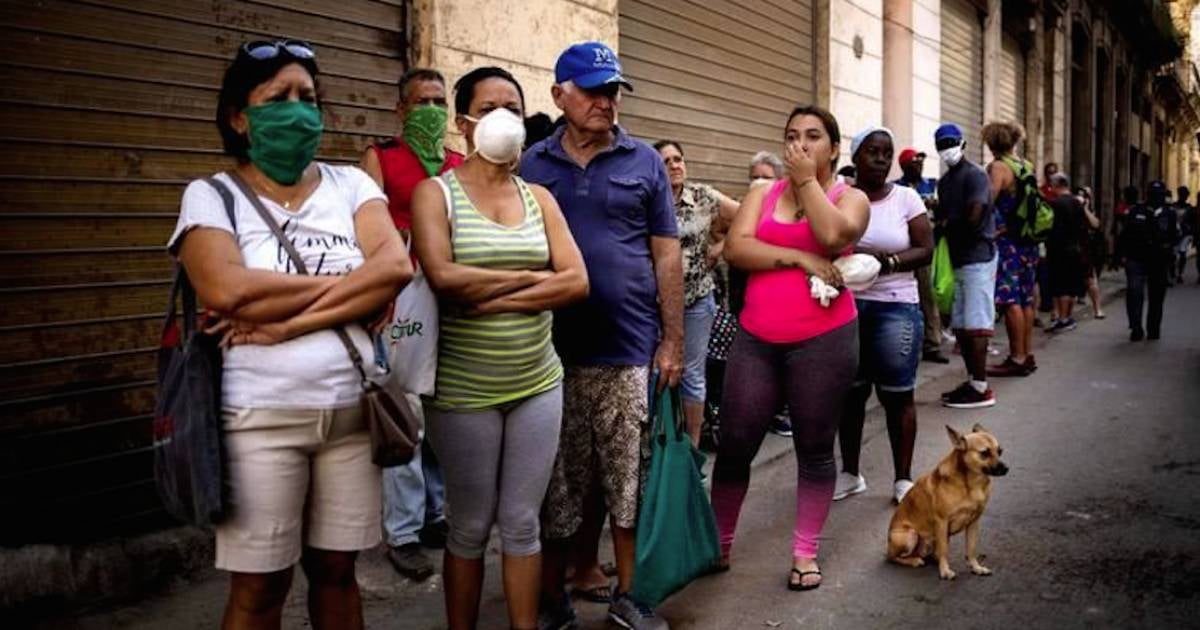
But while some share photos of their outings, discussions about books, recipes, or grandchildren, those who remain in Cuba only talk about the power outages, whether there is water to wash, and if they will be able to cook. The daily routine is a chain of obstacles: an hour of electricity, perhaps in the early morning, and then back to darkness and intense heat.
Only one of them went to the beach, thanks to her husband's sacrifice. The rest can only dream of it. "They are all stressed out by the blackouts and the widespread shortages. They look unkempt, with their hair uncolored. Their only topic of conversation is 'I don't have power' or 'When they turn the power on, I'm going to wash... if they turn on the water,'" she confessed.
Gasca's final words reveal a painful contrast: “My friends abroad are traveling through Europe, climbing the Pyrenees, or escaping to the Miami beach for a week. They suffer, love, live... My friends in Cuba are just waiting for the power to come back on.”
And those who experience it from the inside also say it. "It’s frustrating what we have to live through," wrote Elena Zayas in one of the comments on the post, seeing how her friends outside enjoy normal weekends, without luxury, but without hardship.
"You don't have to be a millionaire to have a wonderful family vacation," affirmed Mérida Niebla, a resident of another country, recognizing that the difference lies not in money, but in the country that allows you to live.
“How painful it is to know that our homeland is in this state, with its people, due to the whim of a selfish clique. They have no forgiveness,” declared Carlos Espinosa. Balbina Rey went even further: “In Cuba, as long as the dictatorship exists, the only thing one can expect when one is elderly is that the light in their eyes will fade.”
Numerous testimonies on social media confirm how a high percentage of Cubans who emigrate find new opportunities when settling in countries that offer them protection and job prospects aligned with their qualifications.
Professionals in Cuba find their development limited by the socialist political and economic system, which imposes restrictions, biases, and barriers—many of them ideological—that deny them the opportunity to thrive through their knowledge and skills in their own country.
A young Cuban woman, residing in Mexico, Lietty Piña, published a video in which she expresses her gratitude for the positive change she has experienced since living outside her home country. With a mix of relief, gratitude, and regret, she explained that her diet, routine, skin, and even mood have improved since she settled in Mexican territory.
Leandro Hernández, a mechanical engineer who sought refuge in Peru, shared in a video how he has managed to professionally integrate into the Andean country, working in the field for which he was trained in Cuba.
In February, another one of his videos touched thousands by showing how he had managed to set up his first room from scratch: a bed, a table, and a chair after weeks of sleeping on the floor. "Another step in this country," he titled the clip.
In recent days, a Cuban in Uruguay highlighted through social media the opportunities that this country has provided him “to have a better life, to live better, and to move forward”.
Furthermore, a couple of Cubans residing in the United States shared on social media the joy of having purchased their first home in Cuba, a dream fulfilled that they proudly showcased.
The husband, as mentioned by the video’s author, works as a truck driver in the United States, a common job among Cuban emigrants due to the economic opportunities it offers. Thanks to their effort and sacrifice, they were able to gather the necessary funds to invest in a property in their home country.
Frequently asked questions about daily difficulties in Cuba
How does the lack of electricity affect daily life in Cuba?
The lack of electricity in Cuba has a significant impact on the daily lives of its residents. Extended blackouts make basic activities such as cooking, washing clothes, and maintaining a comfortable temperature in homes difficult. This results in a constant environment of stress and a deteriorated quality of life for many families.
Why do so many Cubans emigrate in search of better opportunities?
Many Cubans emigrate in search of better opportunities due to the restrictions and limitations imposed by the socialist political and economic system in Cuba. The system restricts professional and personal development, and many seek the possibility of thriving and living with dignity in other countries.
What differences do Cubans living abroad experience compared to those who remain in Cuba?
Cuban expatriates often experience an improvement in their quality of life, with access to basic services like consistent electricity and water. Meanwhile, in Cuba, people face blackouts, water shortages, and economic constraints that impact their daily well-being.
How does the political system impact the daily lives of Cubans?
The political system in Cuba, characterized by a socialist regime, has a negative impact on the daily lives of its citizens. The economic restrictions, lack of resources, and limitations on personal freedoms create an atmosphere of hopelessness and frustration.
Filed under: