
Related videos:
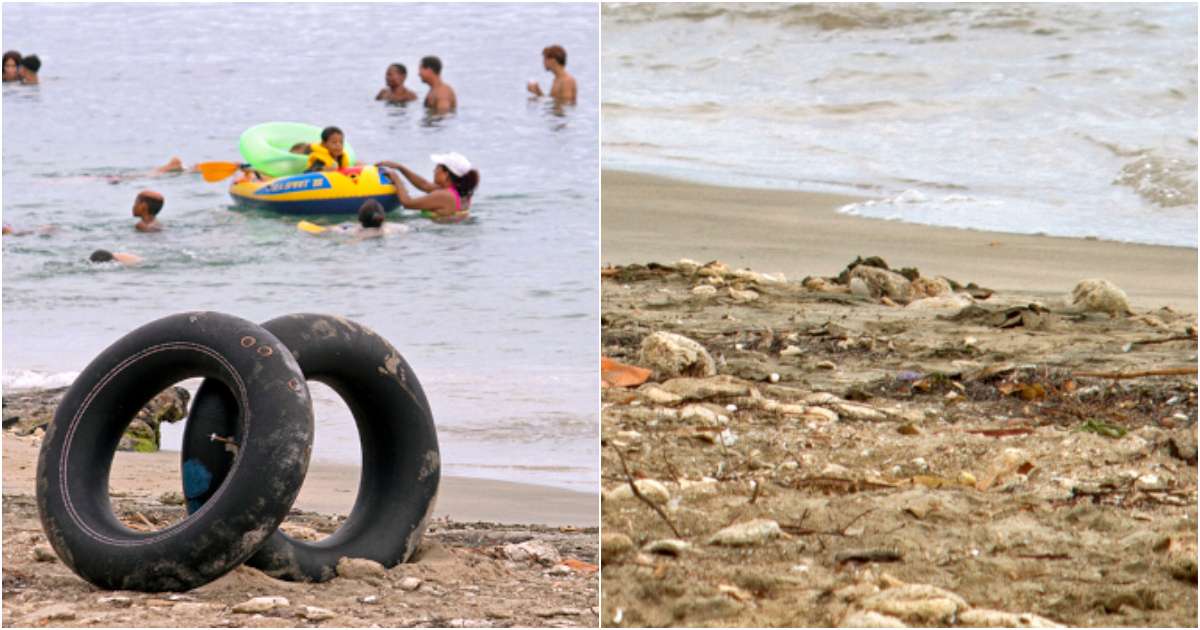
Rancho Luna, regarded as the most iconic beach in Cienfuegos, attracts thousands of visitors every summer from the province and nearby territories such as Villa Clara and Sancti Spíritus. However, the massive influx of vacationers, combined with environmental abuse, has led to a serious deterioration of the area.
The landscape is marked by waste accumulating on the sand and in the sea: chicken bones, fish spines, broken glass, cans, bottles, fruit seeds, paper, nylon, leaves, and logs, in addition to a noticeable buildup of coral debris that obscures the beauty of the site.
The situation is worsening in the seabeds, where containers and waste of all kinds are proliferating, turning the coastline into an increasingly unattractive and unsafe space for bathers, revealed the official newspaper 5 de Septiembre.
According to the media, the government and local businesses are making a "huge effort" to provide food services, beverages, inflatable boat rentals, and the sale of beach items.
"But," he contrasted, "Rancho Luna hurts, and cries out for more dedication from both visitors and those responsible for its management."
The beach area, which should be a source of pride and refuge for the people of Cienfuegos, is becoming each day a symbol of neglect and a natural space that is fading away.
In Cienfuegos, historically regarded as the cleanest city in the country, garbage has started to take over the streets and public spaces, especially following events such as the La Calzada fair.
An opinion piece published by the media weeks ago pointed to both the lack of waste collection and the low level of civic awareness, as well as the absence of government oversight.
In the central province, the issue of waste has been reported multiple times, both due to the accumulation on streets and beaches and the lack of efficiency in collection by Comunales. The situation worsens, especially along the coast, where waste mixes with decomposing dead animals, creating an unhealthy environment.
In municipalities like Aguada de Pasajeros, the Real Campiña landfill has come to threaten the health of the residents, all while the authorities in Cienfuegos remain indifferent, according to complaints from local residents.
Moreover, the coasts of Matanzas show an alarming picture due to the accumulation of plastics, cans, nylon, and even appliances, reflecting a lack of environmental awareness and waste management.
From the Canímar River to El Tenis beach, litter invades the sands, contaminating the landscape and putting the wildlife, flora, and bathers at risk. While some attribute the problem to a lack of trash bins, the evidence points to both civic and institutional negligence, exacerbating an issue that grows during the summer, as reported in June by the provincial newspaper Girón.
The accumulation of garbage has become a recurring problem in several Cuban cities, with serious implications for public health.
In Santiago de Cuba, the former Hotel Venus has been turned into a garbage dump due to lack of state management, amidst the neglect of architectural heritage.
Meanwhile, in Vedado, Havana, residents reported the proliferation of garbage dumps and illegal dumping sites even near hospitals, during the cyclone season, warning of a potential major public health crisis.
Frequently Asked Questions about the Situation in Rancho Luna and Waste Management in Cienfuegos
What is the current state of Rancho Luna beach in Cienfuegos?
Rancho Luna beach is in a state of significant deterioration due to the accumulation of trash and waste both on the sand and in the sea. This situation is affecting the natural beauty and safety of the area, making it less attractive to visitors.
What measures is the Cienfuegos government taking to improve the situation at Rancho Luna?
Although it is mentioned that the government and local businesses are making a "huge effort" to provide services at the beach, there is no clear evidence of effective measures to address the issue of waste and degradation at Rancho Luna. The beach continues to call for more dedication from both visitors and those responsible for its management.
How does waste management affect public health in Cienfuegos?
The accumulation of garbage in Cienfuegos, especially in public areas and beaches, poses a significant risk to public health. Waste mixed with decomposing dead animals creates an unhealthy environment that can lead to outbreaks of diseases, impacting the local community.
What impact does the lack of trash collection have on the perception of Cienfuegos as "the cleanest city in Cuba"?
The lack of efficient garbage collection has deteriorated the perception of Cienfuegos as the "cleanest city in Cuba". Events like the La Calzada fair leave waste that remains on the streets, impacting the urban image and the quality of life for citizens.
Filed under: