
Related videos:
The feminist platform Alas Tensas published an article by sociologist Irela Casañas, highlighting the rise in adolescent suicides in the province of Holguín, where family exodus and drug use have become two decisive factors impacting the mental health of young people.
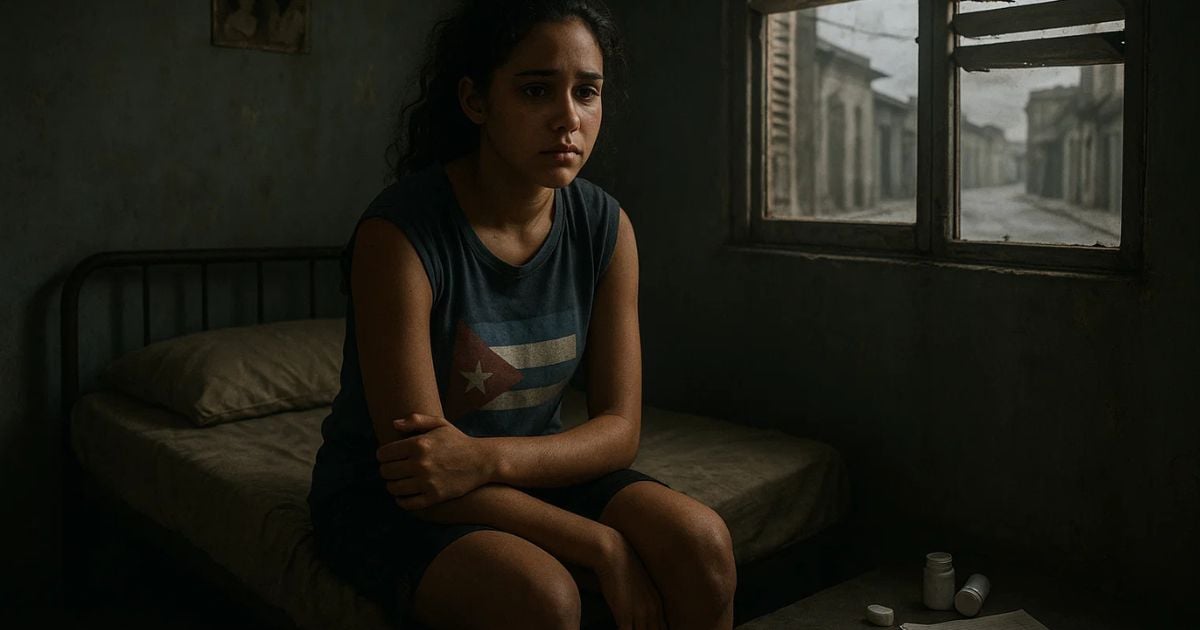
The report highlights the case of “Claudia,” a 14-year-old girl who attempted suicide on two occasions following her parents' departure to the United States.
The separation, the feeling of abandonment, and the lack of support marked her life in a family environment where her grandparents and aunts took on the caregiving role.
Although she survived, her story reflects the vulnerability of many teenagers in the province.
The research also documents the testimony of "Alejandro," a 16-year-old who developed a strong addiction to marijuana, easily accessible in his school and social environment.
In debt to lenders and under threat, he attempted to take his own life in February 2024.
Her case confirms what specialists warn about: access to drugs and the lack of family control are increasingly becoming triggers for suicidal behavior among youth.
According to data from the National Office of Statistics and Information (ONEI), cited by Alas Tensas, suicide is now the fifth leading cause of death in Holguín, and between 2019 and 2023, 977 cases were recorded in the province.
Scientific research cited in the article indicates that the rate of suicide attempts among adolescents in Holguín remains above the national average and shows an upward trend.
The phenomenon is situated within a broader context of social crisis: mass migration has disrupted thousands of families on the Island, leaving children and teenagers in the care of grandparents or uncles.
This is compounded by anxiety, uncertainty, and early access to drugs, which has increased in the eastern provinces of Cuba due to drug trafficking landings on the coasts, according to official sources.
The author also emphasizes that the problem is rendered invisible by statistical underreporting, as many families prefer to hide suicide attempts out of fear, shame, or ignorance, which prevents an accurate assessment of the true magnitude of the phenomenon.
With testimonials and data, the article by Casañas published in Alas Tensas focuses on a silent crisis: the mental health of Cuban teenagers, characterized by loneliness, addiction, and family disintegration, factors that continue to push many young people to their limits.
Although alarming, this issue is neither new nor exclusive to Holguín. In 2023, Sancti Spíritus reported around 200 adolescents per year exhibiting suicidal behavior, according to health authorities in that Cuban province.
For this reason, every year, patients aged between 13 and 14 were admitted to the Child and Adolescent Psychiatry service at the José Martí Pérez Provincial Pediatric Hospital, according to statements from Dr. Conrado Ronaliet Álvarez Borges, a first-degree specialist in Child Psychiatry, to the official local medium Escambray.
In 2019, the Pan American Health Organization (PAHO) published a report highlighting suicide as one of the leading causes of death among young people in Latin America. The study also revealed that Cuba was one of the most affected countries.
"The report noted that suicide is concerning for both sexes, with the most significant increases observed in Argentina, Cuba, Honduras, Peru, Puerto Rico, and the Dominican Republic."
In 2021, suicide was the tenth leading cause of death in Cuba, and the third among those under 18 years old, according to the Ministry of Public Health.
According to the official data at that time, there was a higher prevalence of suicide among men, while attempts were more common among women.
The age group with the highest suicide mortality rate in 2021 in Cuba was between 20 and 59 years old, and the provinces with the highest rates were Las Tunas, Holguín, Villa Clara, and Sancti Spíritus.
Frequently Asked Questions about the Rise in Adolescent Suicides in Holguín
What are the main causes of the increase in adolescent suicides in Holguín?
The main causes of the increase in adolescent suicides in Holguín are family exodus and drug use. The separation from parents and feelings of abandonment leave adolescents in vulnerable situations, while access to drugs, such as marijuana, has risen due to drug trafficking in the region. These factors create a negative impact on the mental health of young people, increasing the risk of suicidal behaviors.
How does mass migration affect the mental health of adolescents in Cuba?
Mass migration disrupts families, leaving children and adolescents under the care of grandparents or uncles. This separation creates a sense of abandonment and loneliness in young people, significantly impacting their mental health. Moreover, the context of economic crisis and lack of institutional support exacerbates the situation, leaving many adolescents without the necessary support to cope with these emotional challenges.
What is the situation regarding access to drugs in Holguín and its relationship with adolescent suicide?
Access to drugs in Holguín has increased, contributing to a rise in adolescent suicides. The ease with which young people can obtain drugs like marijuana in their school and social environments is a decisive factor in the development of addiction and suicidal behaviors. The lack of family control and the rise of drug trafficking on the eastern coasts of Cuba are elements that exacerbate this issue.
What role do statistics play in raising awareness of adolescent suicide in Holguín?
The statistical underreporting is a problem that renders the magnitude of the adolescent suicide phenomenon in Holguín invisible. Many families prefer to conceal suicide attempts out of fear or shame, which hinders a proper assessment of the problem. The lack of accurate data limits the possibilities of developing effective public policies to address this mental health crisis among adolescents.
Filed under: