
Related videos:
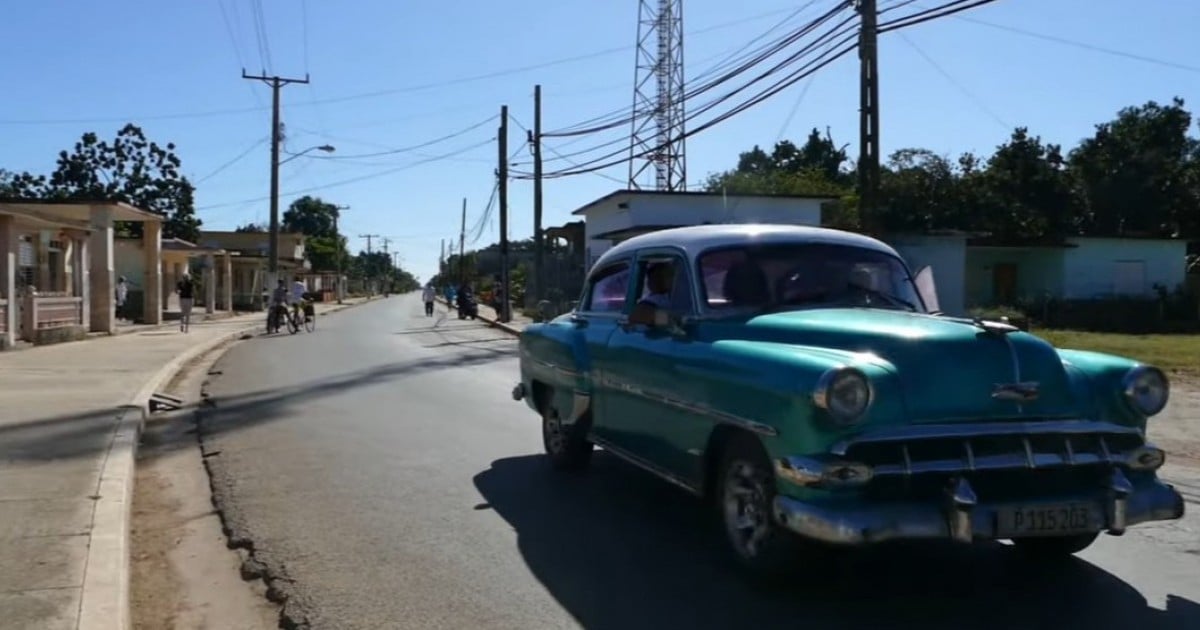
An antique car caught fire in the locality of Torriente, part of the Jagüey Grande municipality in Matanzas, after improperly transporting a large amount of fuel.
The incident occurred in the middle of the public road, specifically on 13-B Street, and resulted in the total destruction of the vehicle and damage to two nearby homes.
Fortunately, there were no human casualties.
The damaged vehicle was a 1953 Chevrolet, red in color, driven by Israel Salcedo Sánchez, a resident of the same locality.
According to a revelation on Facebook by the official profile "Con Todos La Victoria", the trunk contained 60 liters of gasoline stored in a plastic bag, a dangerous practice that would have facilitated the spread of the flames.
Testimonials and reactions
Neighbors who witnessed the incident described the moment with concern and reproaches over the haphazard handling of fuels.
A self-employed worker explained that many resort to this type of storage due to the chronic fuel shortage, as they need to keep power plants running to preserve food.
Others, on the other hand, criticized the recklessness: "Transporting gasoline in such a fragile container is irresponsible; it put their lives and those of others at risk," commented a neighbor on social media.
A slaughterhouse worker added that, in addition to the loss of the car and fuel, the driver could face legal responsibilities for damages to private property.
Some pointed to the root of the problem in the inequalities in access to fuel: "If they sold fuel nationwide for national currency, as they do in Havana, these situations wouldn't happen," commented a self-employed worker.
A recurring problem
Vehicle fires have become increasingly frequent in Cuba, both due to the deterioration of the vehicle fleet and the low quality of fuels.
In May alone, a yellow taxi caught fire in the middle of Santa Rosa street in Santiago de Cuba, causing alarm among the residents and criticism of the firefighters' delay. There were no injuries, but one house was affected.
Another incident occurred days later in Havana when a bus on route P16 experienced a small fire due to an oil leak in the rear area.
On that occasion, the prompt intervention of the driver and the neighbors helped to control the situation without any major damage.
In March, there were also reports of fires in a patching truck in Cotorro and in a Mercedes-Benz owned by the company Gardis in Matanzas, both completely destroyed.
A warning sign
The case of Torriente highlights once again the vulnerability of vehicles on the road and the risks associated with unsafe handling of fuels.
Although there were no injuries in this latest incident, it rekindles the debate over the precariousness of transportation, energy shortages, and the need for greater technical oversight and prevention in the handling of flammable materials.
Frequently Asked Questions about Vehicle Fires in Cuba and Their Causes
Why did the car catch fire in Torriente, Matanzas?
The car caught fire due to the improper transport of fuel in a plastic bag, which facilitated the spread of flames. This type of storage is very risky, especially in an older car that is already more vulnerable to failures.
What are the risks of transporting gasoline in plastic bags?
Transporting gasoline in plastic bags is extremely dangerous because the material is fragile and prone to breakage, which can lead to spills and increase the risk of fires. Additionally, the volatility of gasoline heightens the risk of explosions if it comes into contact with an ignition source.
How does the fuel shortage affect vehicle fires in Cuba?
The fuel shortage in Cuba has led many citizens to improperly store gasoline, such as in plastic bags. This practice increases the risk of vehicle fires, as inadequate storage methods can easily cause leaks and explosions.
What other factors contribute to vehicle fires in Cuba?
In addition to the unsafe handling of fuels, other factors such as the deterioration of the vehicle fleet and the low quality of fuels are also significant causes. The lack of proper maintenance and spare parts exacerbates the problem, as vehicles are more prone to technical failures that can result in fires.
Filed under: