
Related videos:
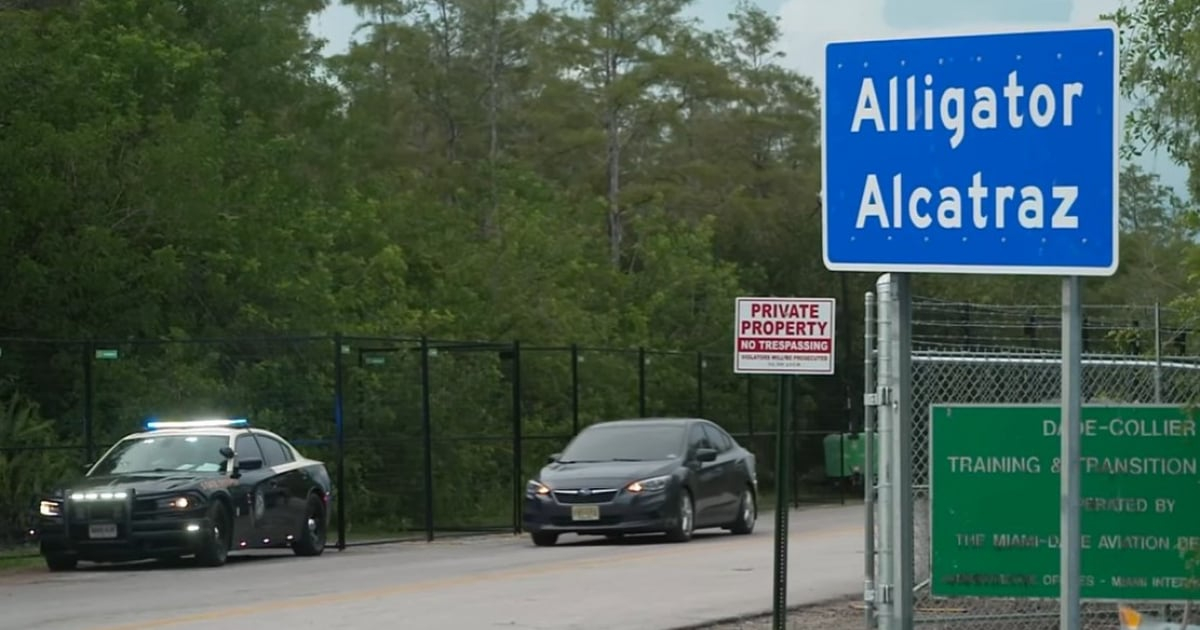
A federal judge in Miami upheld the order to dismantle the immigration detention center located in the Everglades and known as “Alligator Alcatraz”, by rejecting the U.S. government's request to suspend her ruling while the appeal is underway.
The information was reported by Associated Press (AP), which detailed that Judge Kathleen Williams instructed that within 60 days, the population of detainees must be reduced by transferring them to other facilities.
Once emptied, the authorities will need to dismantle the fences, generators, and lighting systems, and they will not be able to admit new inmates to the facility.
The lawsuit was filed by environmental groups and the Miccosukee tribe, who warned that the complex threatens sensitive wetlands in the Everglades and jeopardizes decades of public investment in ecological restoration.
The judge found that the state and the federal government had not complied with environmental laws when approving the installation.
"Alligator Alcatraz" was inaugurated on July 1, after just two months of construction at an unused military airfield.
The Florida government signed contracts worth over 245 million dollars to build and operate the center, which has been controversial since the beginning due to its location and complaints about poor conditions.
President Donald Trump visited the site in July and described it as a model for future detention centers, as part of his strategy to expedite deportations and expand immigration infrastructure.
In parallel, civil rights organizations have filed several additional lawsuits. They report that there were arrests without charges, without access to lawyers, and individuals who have disappeared from ICE's online system, which they describe as “unprecedented” irregularities in immigration management.
Another lawsuit, currently underway in Fort Myers, seeks to halt any state operations at that center on the grounds that they are illegal.
Meanwhile, the administration of Governor Ron DeSantis is preparing for the opening of a second immigration center in northern Florida, named “Deportation Depot,” which would operate in a state prison.
The judicial decision represents a significant setback for the plan to expand migrant facilities in Florida, while simultaneously opening a political and legal pressure front for the White House and the state government.
Florida Governor Ron DeSantis strongly defended on Wednesday the continuation of state immigration operations after it was revealed that the controversial detention center for immigrants in the Everglades - popularly known as "Alligator Alcatraz" - could be empty within days.
In statements made in Orlando, DeSantis asserted that his administration will continue to focus on the detention and deportation of immigrants as part of a state effort that complements the federal government's actions.
"Our role is to provide more space for processing, detention, and deportation. DHS determines who enters and who leaves those facilities," stated the governor, referring to the Department of Homeland Security.
Despite the order from a federal judge mandating the closure of the center within 60 days, DeSantis emphasized that the state of Florida will continue its mission.
"We are there to be a force multiplier in all of this, and we will continue to do so; I believe it is an important mission," he stated.
Frequently asked questions about the closure of the Alligator Alcatraz detention center
Why was the Alligator Alcatraz detention center ordered to be closed?
The closure of the Alligator Alcatraz detention center was ordered by a federal judge due to violations of environmental laws, as the facility threatens the protected wetlands of the Everglades and endangers endangered species. Furthermore, the center has been criticized for inhumane conditions for detainees and for operating under questionable legal frameworks.
What will happen to the detainees at Alligator Alcatraz?
The detainees at Alligator Alcatraz must be transferred to other facilities before the center is dismantled. Options for their transfer include federal centers in Florida, such as Krome North, Broward, and Baker, or even out of state. The transfer must be completed within 60 days.
What impact does the court ruling have on the future of detention centers in Florida?
The court ruling represents a significant setback for the plan to expand immigration facilities in Florida. The decision to close Alligator Alcatraz opens a political and legal pressure front for both the White House and the state government, impacting Governor Ron DeSantis's immigration strategy.
What are the main complaints against the Alligator Alcatraz center?
The main allegations against Alligator Alcatraz include human rights violations and inhumane detention conditions. Testimonies report food infested with worms, collapsed bathrooms, lack of legal access, detentions without formal charges, and the presence of disappeared detainees from the ICE system.
Filed under: