
Related videos:
While millions of Cubans survive amid endless blackouts, rampant inflation, and the persistent shortage of basic goods, Miguel Díaz-Canel has his suitcase ready to travel to Beijing.
The Chinese ambassador in Havana, Hua Xin, confirmed on X that the leader will attend, alongside other heads of state from five continents, the commemoration of the 80th anniversary of China's victory against Japanese aggression and the global victory in the Antifascist War, a milestone that, as noted by the state broadcaster CGTN Español, cost the lives of over 35 million Chinese between 1931 and 1945 and turned heroes like Tong Linge and Hong Linge into symbols of resistance.
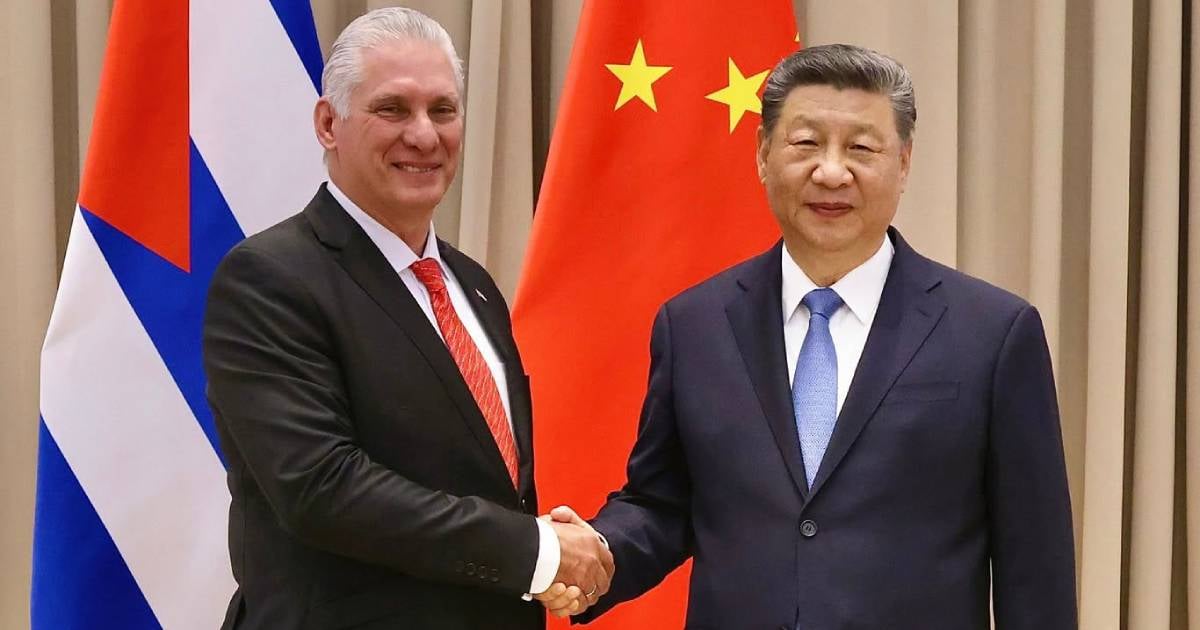
But while in Beijing there will be talk of dignity, justice, and sacrifice, in Cuba the ones making sacrifices continue to be the people. Amid blackouts of up to 24 hours, protests, and kitchens shutting down due to lack of gas, the head of state is preparing to march through Tiananmen Square to pose for the obligatory photo alongside his counterpart Xi Jinping.
Travel, banquets, and gifts in the midst of a crisis
This 2025, Díaz-Canel has transformed his international tours into a diplomatic escape from reality. In May, he traveled to Russia, where he met with Jinping and raised a toast at a lavish banquet at the Kremlin while on the Caribbean island, bread was being rationed.
Shortly after arriving in Belarus, amid the energy crisis on the island, to gift Lukashenko cigars, rum, and commemorative shirts, symbols of an authoritarian friendship that doesn't light up a single bulb in Havana.
Now, the itinerary takes him to China, a country with which the Cuban regime has strengthened its military and political ties in recent years, amid growing allegations about the presence of Chinese espionage facilities on the island.
The story being celebrated in China speaks of resistance, dignity, and sacrifice. The one being experienced today on the island also speaks of resistance, but of a different kind, with a people forced to survive without electricity, without transportation, and without food, while their president travels from summit to summit, from banquet to banquet, convinced that “creative resistance” is practiced with deer medallions in Moscow and toasts in Minsk.
Frequently Asked Questions About Díaz-Canel's Trip to China Amidst the Crisis in Cuba
Why is Díaz-Canel traveling to China while Cuba is facing a crisis?
The Cuban president, Miguel Díaz-Canel, is traveling to China to participate in the commemoration of the 80th anniversary of China's victory against Japanese Aggression and the Global Antifascist War, invited by the Chinese government. This trip is part of a series of international visits that Díaz-Canel has undertaken in 2025, in an effort to strengthen diplomatic and economic ties with allied countries, despite the severe economic and social crisis that Cuba is facing, characterized by blackouts, shortages of basic goods, and inflation.
How is the rapprochement between Cuba and China justified?
Cuba considers China a "clear partner" in Latin America and seeks to strengthen its strategic relationship with the Asian country as an alternative to the current global system, which is seen as exclusive. This approach occurs in a context where Cuba is facing international sanctions and seeks political and economic support from China to counterbalance the influence of the United States in the region.
What impact does the presence of Chinese espionage bases in Cuba have?
The potential presence of Chinese espionage bases in Cuba raises international concern, as it could disrupt the geopolitical balance in the Caribbean region, which has been traditionally influenced by the United States. Such facilities reinforce suspicions about the strategic nature of the alliance between Cuba and China, and could have significant implications for regional security.
What challenges does the Cuban people face during these presidential trips?
The Cuban people face serious challenges such as prolonged blackouts, food shortages, and rampant inflation, while Díaz-Canel embarks on international tours. This disparity between the presidential agenda and the everyday reality of citizens has sparked criticism of the regime, as the basic needs of the population are not being effectively addressed.
Filed under: