
Related videos:
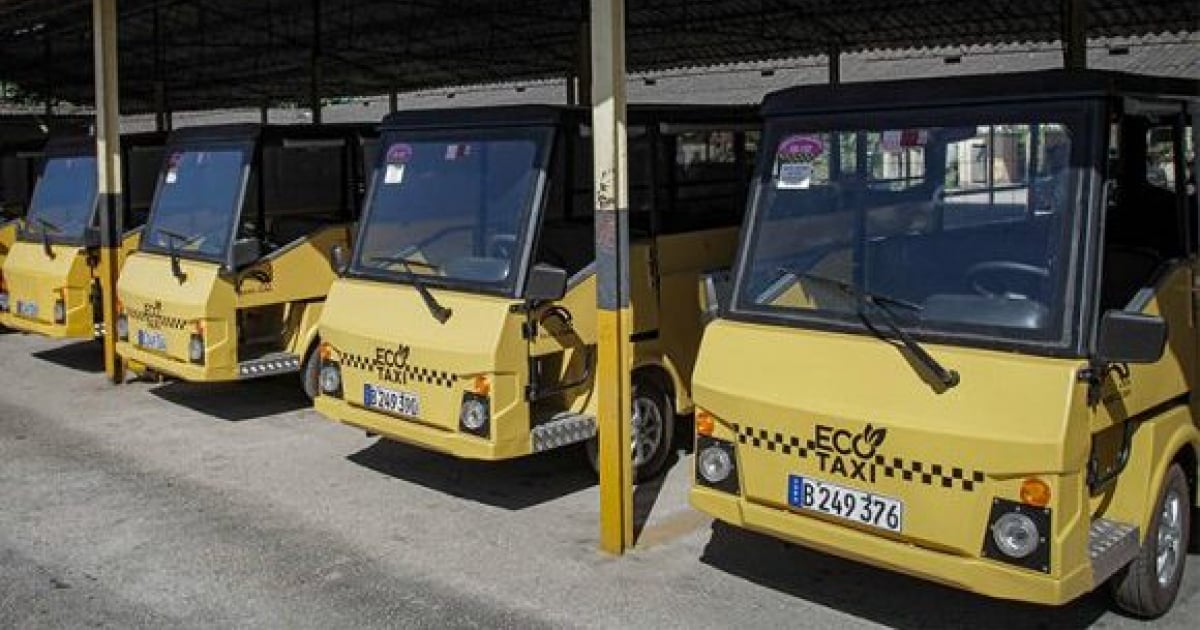
Sancti Spíritus has added new electric minibuses to its passenger service and plans to complete a fleet of 40 vehicles, a number that remains insufficient given the transportation crisis in the province and the country.
The information was published by Cubadebate, featuring statements to the newspaper Escambray from Omar Alberto Cardoso Hernández, director of Taxis Cuba in Sancti Spíritus.
The official explained that the most recent route connects the Norte polyclinic with the Colón area, while others cover high-demand locations such as hospitals, terminals, and the University of Medical Sciences.
A total of 28 vehicles are operating in the city and five in Trinidad, all assembled at the Military Industrial Company Colonel Francisco Aguiar Rodríguez, with support from the Transport Development Fund, a solution that seems more optimistic in writing than in everyday practice.
The entity is now processing the technical review and the operating license for seven additional ecomobiles, of which two will reinforce routes in the provincial capital and the remaining ones will join the service in Trinidad.
The ecomobiles, colored yellow and capable of carrying 11 passengers, began operating in 2023.
Despite the improvements made in their design, they still depend on the national electrical grid and their reach is limited, which means their real impact on mobility remains minimal.
People must walk long distances every day because they no longer have hope of being able to use one of these new means of transportation, which has very limited capacity.
The project envisions operating with renewable sources in the future; however, for now, the transportation issues in Sancti Spíritus far exceed the capacity of this small fleet.
In 2024, amid the fuel crisis and the deterioration of public transport, the Cuban government announced that it was placing its hopes in alternative means such as the first five electric microbuses -or ecomobiles- that were operating on the streets of Sancti Spíritus province.
Built in the facilities of the Military Industrial Company (EMI) Colonel Francisco Aguiar, these vehicles have all the components of their structure and body manufactured locally, which directly impacts job creation, according to Cuba's Minister of Transport, Eduardo Rodríguez Dávila, in a post on the social media platform Facebook.
As a test of the effectiveness of this transportation, in April 2023, the first prototype called VES002 was tested on the streets of Sancti Spíritus, which also had a capacity for 11 passengers, the driver, and the conductor.
Previously, the government announced the creation of electric tricycles that would feature advanced technology and include solar panels, which would be used for passenger transportation.
Frequently Asked Questions about Ecomobiles in Sancti Spíritus and Transportation in Cuba
What are ecomobiles and what is their capacity?
Ecomobiles are electric microbuses that have a capacity for 11 passengers. They are designed to provide mobility services in urban areas and are part of an effort to implement sustainable transportation in Sancti Spíritus.
What is the real impact of ecomobiles on transportation in Sancti Spíritus?
Despite the addition of new ecomobiles, their impact on mobility is limited due to their restricted capacity and dependence on the national electrical grid. The transport crisis in Sancti Spíritus far exceeds the capability of this small fleet.
How does the energy crisis in Cuba affect the operation of ecomobiles?
The energy crisis in Cuba, characterized by daily blackouts, compromises the viability of ecomobiles, as they require a stable charging network, which is currently not ensured. This limits their operability and their ability to effectively improve public transportation.
What plans are in place to improve electric transportation in Cuba?
The Cuban government plans to install charging stations powered by photovoltaic solar panels to reduce dependence on the national electrical grid, although current structural and energy issues make the impact of these projects uncertain in the short term.
Filed under: