
Related videos:
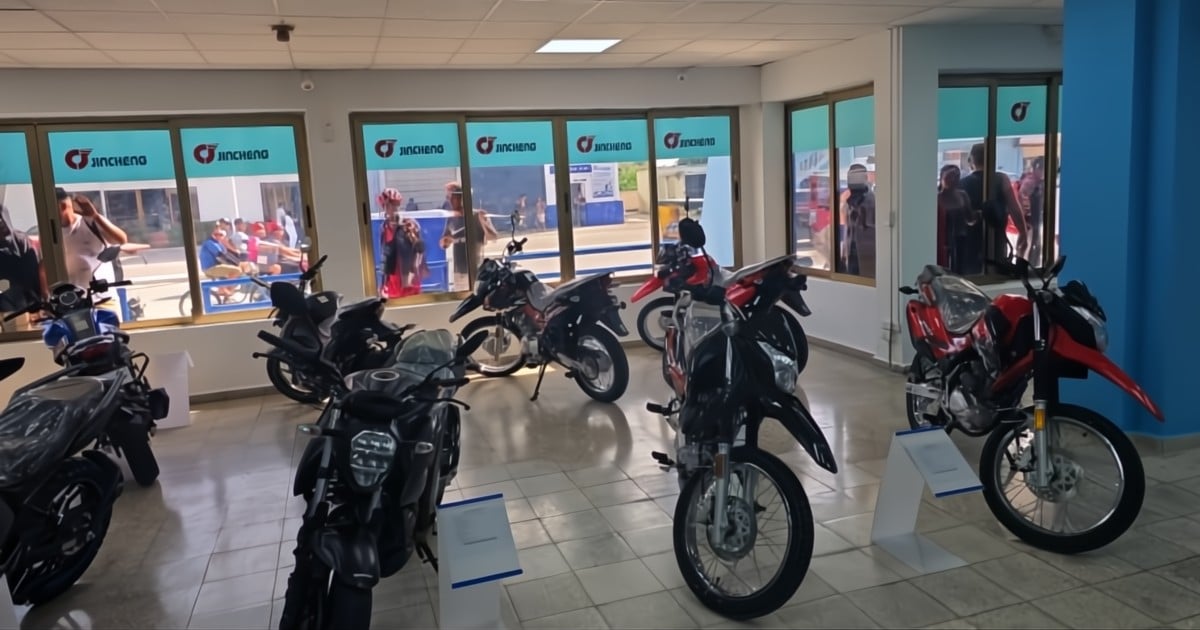
The Cuban government announced the expansion of the network of authorized entities to sell electric and combustion motorcycles in U.S. dollars, a measure that, rather than alleviating the mobility crisis on the island, confirms the increasing dollarization of the market and the widening gap between official offerings and the economic reality of the population.
The Minister of Transport, Eduardo Rodríguez Dávila, announced on Facebook that motorcycles will be available for purchase at dozens of locations across the country, from Pinar del Río to Guantánamo, through state importers and distributors such as CIMEX, TRD, Solimport, SASA, Tradex, Transimport, and Divep.
The official shared infographics containing addresses and phone numbers of the establishments, while encouraging citizens to report their shopping experiences.
However, the measure comes in a context marked by inflation, the depreciation of the Cuban peso, and state salaries that barely reach 20 dollars a month in the informal market. In this scenario, access to personal transportation remains a privilege reserved for those who have remittances or income in foreign currency.
In recent months, the sale of motorcycles in dollars has generated significant backlash on social media. When CIMEX promoted the Diana motorcycles assembled in Cuba for 2,840 USD, the criticism was immediate. "A national product that costs more than imported options," noted dozens of users.
In Holguín, Tiendas Caribe offered models ranging from 2,130 to 6,590 USD, presenting the legal registration of the vehicle as an "added value," which triggered complaints of abuses and reselling of spots at the entrance of the stores.
While the official discourse talks about “facilitating the mobility of the population,” the reality shows that the State concentrates the sale in dollars, excludes the CUP from transactions, and turns basic needs into a dollarized business.
Each announcement of new stores or services in foreign currency widens the gap a little further between those who have access to the dollar and the majority who survive on the national currency.
In this context, the expansion of motorcycle sales points does not represent a real solution to the transportation problem, but rather the consolidation of an economic model that prioritizes the influx of foreign currency over the well-being of Cubans.
Frequently Asked Questions About Buying Motorcycles in Dollars in Cuba
What are the authorized entities to sell motorcycles in dollars in Cuba?
The authorized entities to sell motorcycles in dollars in Cuba include CIMEX, TRD, Solimport, SASA, Tradex, Transimport, and Divep. These state-owned companies have expanded their sales network throughout the country, from Pinar del Río to Guantánamo, centralizing the marketing of electric and combustion motorcycles in foreign currencies. This dollar sales model restricts access for the majority of Cubans who only receive income in Cuban pesos.
Why does the sale of motorcycles in dollars generate rejection in Cuba?
The sale of motorcycles in dollars generates rejection in Cuba because it exacerbates economic inequality and social exclusion. Most Cubans do not have access to dollars, and the prices of motorcycles are well above the average salary on the island, which barely hovers around 20 dollars per month. This context has sparked criticism on social media and a disconnection between official offerings and the economic reality of the population.
How does the dollarization of the market affect the Cuban population?
The dollarization of the market impacts the Cuban population by limiting access to essential goods only to those who possess dollars. This trend has deepened social inequality in Cuba, as stores that accept foreign currency are well-stocked, while those operating in Cuban pesos face shortages. Moreover, access to basic products and services becomes a privilege for those with remittances or income in foreign currency, sidelining the majority who survive on the devalued Cuban peso.
What are the risks associated with the use of electric motorcycles in Cuba?
The risks associated with the use of electric motorcycles in Cuba include fires due to unstable electrical conditions and improper handling of batteries. In recent years, there has been an alarming increase in fires related to electric motorcycles, which raises significant safety concerns. Despite these risks, many Cubans continue to use them as an essential means of transportation due to the public transportation crisis and fuel shortages.
Filed under: