
Related videos:
A Cuban is facing deportation proceedings in the United States after failing to attend a scheduled immigration appointment with the Immigration and Customs Enforcement (ICE), a decision that, according to experts and other migrants, is a nearly irreversible mistake within the framework of U.S. immigration policy.
The case came to light after a reader wrote to journalist Mario J. Pentón to report her husband's situation.
According to reports, the man was arrested in July in Tennessee for speeding. However, since March, he had a mandatory appearance pending before ICE, which he chose not to attend for fear of being arrested, given the wave of detentions that were being reported.
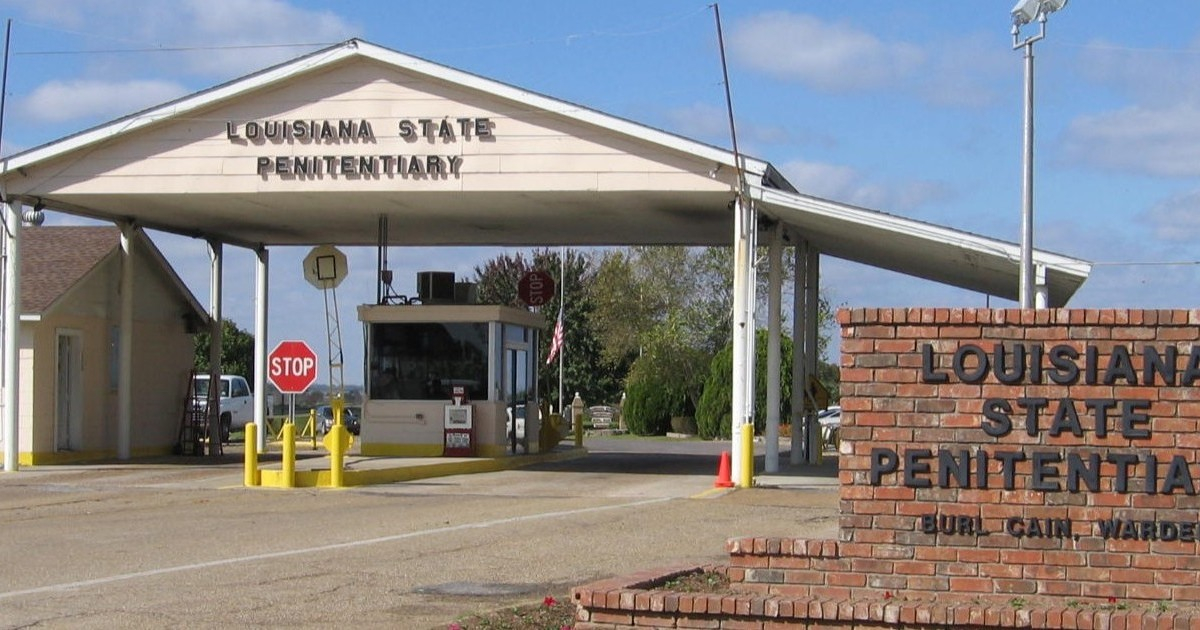
Last week, he was transferred along with 11 other Cubans to the Nuevo Penitentiary Center in Louisiana, a facility classified as high security.
The woman expressed her outrage at the conditions she encountered upon arriving there.
"They didn't even have water to bathe. They can't treat a person as if they were a murderer or a rapist. I really don't understand anything," he detailed in the message sent to the reporter.
The situation has sparked an intense debate among Cubans on social media, many of whom emphasize that missing an immigration appointment is equivalent to signing one's own deportation order.
A Havana emigrant recalled that, upon entering the United States in 2018 through Texas, an officer explicitly warned him that missing an appointment with ICE would automatically result in a deportation order.
Other netizens, like a person from Matanzas, criticized the recklessness of driving at high speeds without proper documentation and then failing to respond to immigration authorities.
From Canada, another commentator was blunt: "Since he did not comply with the summons, he effectively self-deported. He violated immigration law and became an illegal in a country that now prioritizes this issue."
In the same vein, a freelancer pointed out that the law in the United States makes no distinctions: missing an immigration appointment is a crime that leaves a person with a 99% chance of being deported.
Other comments went further, criticizing behaviors that, in their view, lead some Cubans away from the Island.
"The law in Cuba and how to respond to it should be left buried there. If not, wherever you go, you'll have problems," one of them opined.
A resident of Puerto Rico warned: "Missing an ICE appointment is a disrespect to the Nation and to immigration laws, and speeding is a violation of traffic laws. One does not come to the United States to break the laws."
Another local suggested to the detainee's wife to hire a lawyer and reminded her that in some cases, Cuba does not accept deportees, which could lead to his being sent to a third country.
The consensus among those who have commented on the case is clear: skipping an immigration summons, whether out of fear or ignorance, carries serious legal consequences.
The affected person's wife is calling for support and insists that she will continue looking for ways to ensure her husband is not treated "like a dangerous criminal" during the process he is facing.
This week it was revealed that the government of Donald Trump, in its effort to take a tough stance on migration, decided to lock up undocumented immigrants in one of the most feared and violent prisons in the United States.
A facility within the Louisiana State Penitentiary, known as Angola, was set up to house more than 400 ICE detainees. It currently hosts dozens of individuals.
According to the Secretary of Homeland Security, Kristi Noem, it was deliberately chosen for its reputation as a tough prison. "This facility will house the worst of the worst," she stated.
Governor Jeff Landry assured that the facility, renamed "Louisiana Lockup," will be filled in the coming months as Trump pushes for a mass deportation plan.
Angola is a maximum-security prison with more than 6,000 inmates, including over 50 on death row.
Critics warn that the symbolism of using Angola as a migration hub reinforces the criminalization of undocumented individuals and normalizes the use of prisons with a history of abuses for people whose only "offense" is lacking proper documentation.
It is a deliberate strategy of the government to persuade undocumented immigrants to choose self-deportation by confronting them with the possibility of being sent to a place they fear greatly.
Frequently Asked Questions about the Deportation Process and Appointments with ICE for Cubans in the U.S.
What consequences does missing an appointment with ICE have for a Cuban in the U.S.?
Missing an appointment with ICE can result in an automatic deportation order. U.S. immigration law is clear that failing to appear for a scheduled hearing can lead to the issuance of an order of deportation in absentia, meaning the migrant could be expelled from the country without being heard. Furthermore, this severely limits future defense opportunities.
What can Cuban migrants do to avoid deportation after missing an appointment with ICE?
It is crucial to seek legal advice from a qualified immigration attorney. A professional can assist in requesting date changes for valid reasons and prepare an appropriate defense. Furthermore, if one cannot attend an appointment, they must formally notify and provide evidence of their inability to attend. Ignoring a summons without prior communication can result in the seal of deportation for the migrant.
How does U.S. immigration policy under Donald Trump's administration affect Cubans?
Since the beginning of Donald Trump's second term, immigration policy has significantly tightened. The deportation of migrants has intensified, especially in sanctuary cities and among individuals with criminal records. Furthermore, the end of Humanitarian Parole and the implementation of "Operation Safeguard" have further complicated the regularization of immigration status for Cubans.
What effects does misinformation have on the Cuban migrant community in the U.S.?
Disinformation can cause panic and misguided decisions, such as missing appointments with ICE. Some migrants mistakenly believe that not showing up will protect them from being arrested, which is false. Groundless fear and poor advice can lead to decisions that worsen the migrant's legal situation, making it essential to obtain reliable information and proper legal counsel.
Filed under: