
Related videos:
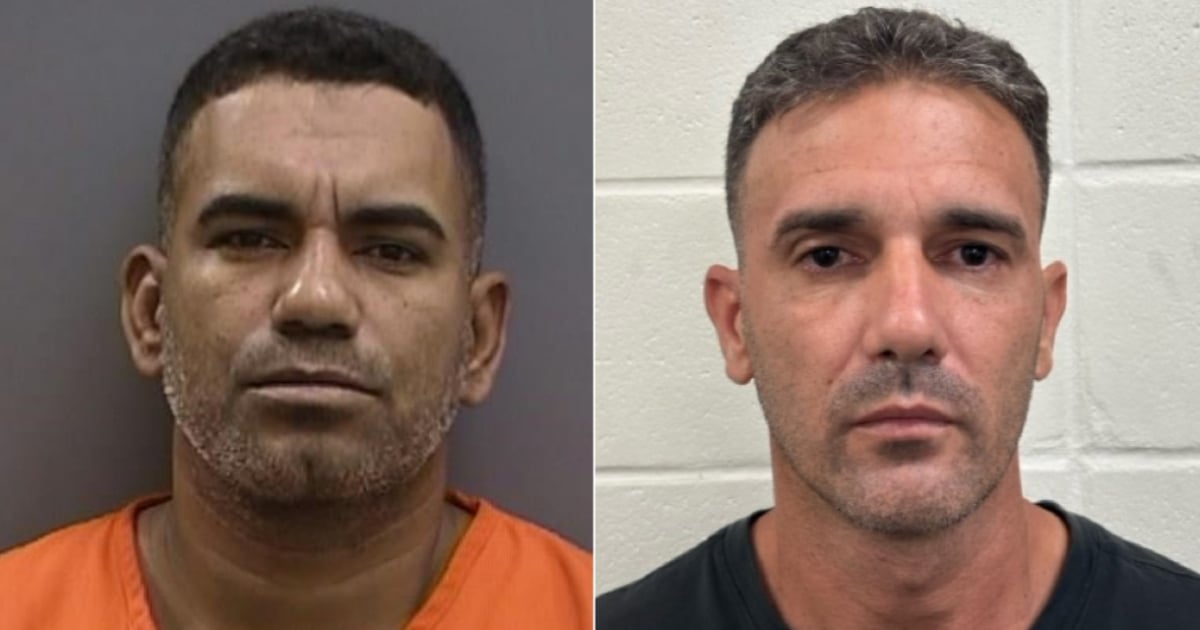
Two Cuban citizens with extensive criminal records were arrested this week in Florida by agents from the U.S. Immigration and Customs Enforcement (ICE), as part of the intensified operations by the Donald Trump administration against undocumented immigrants with criminal backgrounds.
The Enforcement Removal Operations (ERO) office in Miami reported that Gilberto Michael Marrero Henríquez, 40 years old, was arrested for being an illegal resident since 2015 and having multiple prior convictions, including driving under the influence (DUI), fraud, grand theft, probation violations, and traffic offenses.
Separately, the ERO team in Tampa arrested Noslen Hernández Guerra, 39 years old, convicted of electronic fraud, identity theft, money laundering, and possession of counterfeit tools.
Hernández Guerra was judged in 2017, but he had been subject to a final deportation order since 2016. He remained in the United States illegally, according to the current administration.
Both arrests occur in a context of increasing scrutiny over the U.S. government's immigration policies, which in recent months has strongly resumed deportations to third countries, amid the refusal of some states, such as Cuba, to accept their citizens with criminal records.
Deportations without return and without guarantees
The case of the two detained Cubans comes just days after reports emerged about the situation of another Cuban migrant who was deported in July to Eswatini, a small African nation ruled by an absolute monarchy, where he has been imprisoned without charges or access to attorneys for the past seven weeks.
That migrant was part of a group of five men transferred from the United States under a secret deportation program to third countries, initiated by the Department of Homeland Security (DHS) following the Supreme Court's approval to resume such expulsions without the need to provide basic legal safeguards.
The Cuban, previously accused of murder and gang affiliation, was presented by U.S. authorities as one of the "criminals so barbaric that their countries of origin refused to accept them." However, his indefinite detention under questionable conditions has sparked criticism from human rights organizations.
A controversial and expanding immigration policy
The policy of deportations to countries with no ties to migrants was solidified in June, following a Supreme Court ruling that overturned previous judicial restrictions and gave the White House the green light to implement the measure even in cases where claims of torture or death are made.
Since then, migrants have been sent to countries such as South Sudan, Eswatini, and Rwanda, amid allegations of opacity, arbitrary detentions, and lack of access to legal defense.
Meanwhile, immigration authorities in Florida continue to intensify operations against undocumented individuals with criminal records, whom they consider a "threat to public safety."
“The arrests of Marrero Henríquez and Hernández Guerra demonstrate our ongoing commitment to locating and removing individuals with criminal backgrounds who violate U.S. immigration laws,” noted ERO Miami in a statement shared on social media.
Cuba distances itself from "dangerous" migrants with criminal records
Although the immigration agreements signed between Havana and Washington require the Cuban regime to accept the return of its citizens, in practice, the government systematically refuses to receive those with serious convictions.
This situation has prompted the United States government to seek alternatives in third countries, often with no cultural, linguistic, or legal ties to the migrants.
The crisis has raised alarm bells among legal experts and human rights advocates, who warn about the use of these nations as "dumping grounds for unwanted individuals" and the exposure of migrants to cruel treatment, imprisonment without trial, and extreme uprooting.
Frequently Asked Questions about Deportations of Undocumented Cubans in the U.S.
Why were Gilberto Michael Marrero Henríquez and Noslen Hernández Guerra arrested by ICE in Florida?
Gilberto Michael Marrero Henríquez was arrested for being an illegal resident since 2015 and having multiple prior convictions, including DUI, fraud, and grand theft. Noslen Hernández Guerra was detained for convictions of electronic fraud, identity theft, and money laundering. Both cases are part of ICE operations against undocumented migrants with criminal records in the United States.
How does the United States' deportation policy affect Cuban migrants with criminal records?
The deportation policy of the United States has intensified under the administration of Donald Trump, particularly against immigrants with criminal records. Cuba systematically refuses to accept its citizens convicted of serious crimes, forcing the U.S. to seek third countries for their deportation, such as Eswatini and South Sudan, often under conditions that have been criticized by human rights organizations.
What are the consequences of the United States' immigration policy for the human rights of deportees?
Deportations to third countries without cultural ties to those being deported have sparked criticism due to opacity, arbitrary detentions, and lack of access to legal defense. Cases such as that of the Cuban deported to Eswatini have raised alarms over indefinite detention without trial and under questionable conditions, which poses a potential violation of basic human rights.
What do human rights organizations say about the deportation of Cubans to third countries?
Human rights organizations have strongly criticized the policy of deportations to third countries, pointing out that it exposes those deported to cruel treatment and extreme uprooting. These organizations warn that the lack of legal guarantees and deportation to places with no cultural ties may violate the human rights of migrants.
Filed under: