
Related videos:
Russian tour operators declared to specialized media that they have not received complaints from tourists regarding power outages on the island, stating that in most hotels the autonomous generation systems are functioning stably, preventing the impact of electrical failures.
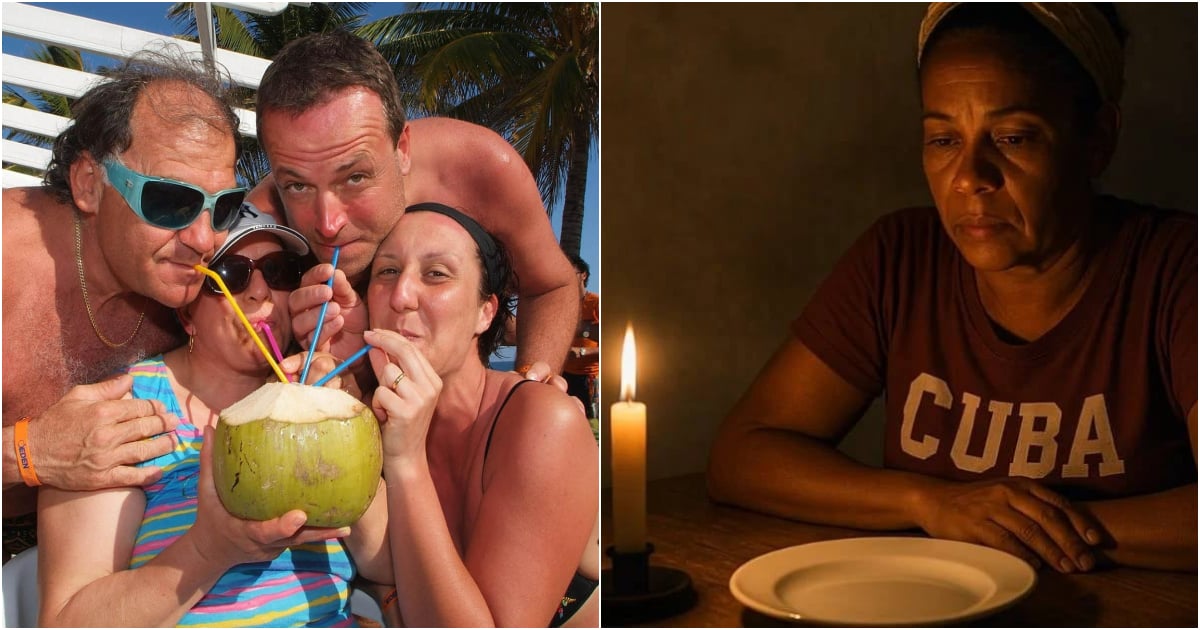
The statements contrast with the reality of Cubans, who for more than a year have been facing constant blackouts that disrupt daily life and are only now recovering from the most recent collapse of the National Electric System (SEN).
The Russian embassy in Havana issued recommendations to tourists to keep their mobile phones charged and to use batteries sparingly, acknowledging that there are no confirmed timelines for the recovery of the electrical system.
Among the consulted operators, PAC Group confirmed that everything is functioning normally in the hotels and that the generators have allowed customers to remain trouble-free, stated the Association of Tour Operators of Russia through its official portal atorus.ru.
Anex highlighted that power outages typically do not affect Havana or beach areas, where foreign tourism is concentrated, while companies like "Ruso Ekspress" emphasized that higher-category establishments are equipped with systems that ensure a continuous electricity supply.
According to the source, executives from other agencies admitted that power outages have now become a sustained trend in Cuba, but they specified that they inform their clients in advance so they can “adjust expectations” before traveling.
In his words, the country remains an "attractive and economical" destination for Russian travelers, although in practice, Cubans are left in the dark and suffer the consequences of a collapsed electrical system.
On Thursday, the Ministry of Tourism of Cuba (Mintur) hurried to assure that, despite the energy crisis, the island “remains a safe and reliable destination” and that visitors “will be able to enjoy their tourist experience,” thanks to a well-prepared infrastructure and a “dedicated team.”
The statement was joined by another statement released on Wednesday, in which the Mintur emphasized that “most of our hotels and tourist services have electric generators and the necessary resources to operate normally,” ensuring that power outages will not impact the sector.
The contrast is painful when hotels with generators and guaranteed fuel are announced to keep visitors in air-conditioned rooms and pools, while entire families on the island cook with wood-burning stoves, receive syrup and jam as "relief" for their children and stand in endless lines to access water amidst the crisis.
However, according to official data from the National Office of Statistics and Information (ONEI), published in June, there is a significant decline in the number of foreign visitors, especially from Russian tourists, a market that the government has invested in to revive the sector.
By the end of June, only 63,708 Russian tourists had arrived on the island, representing a significant decline (48,999 fewer tourists) compared to the previous year, when 112,707 had arrived.
In that very month, a Russian tourist shared her bitter experience in a five-star hotel in Varadero. What was supposed to be a luxury trip turned into a nightmare. “The faucets were dripping, the hairdryers weren't working, and everything was dirty. I felt cheated,” she stated.
He also reported the constant presence of insects, spoiled food, and unacceptable hotel service. "They treat tourists like pigs," he said indignantly.
More recently, a suspected mass food poisoning of Russian tourists at the five-star Iberostar Selection Varadero hotel sparked significant controversy, after being initially reported by the Russian Telegram channel SHOT, and later echoed by a wide range of
According to the channel SHOT, several Russian guests staying at the hotel complex began to show symptoms of poisoning after consuming seafood, specifically grilled shrimp and salmon.
Testimonials from Russian visitors and others agree on highlighting the deterioration of hotels in Cuba, even in those that maintain a luxury classification. The lack of maintenance, food shortages, poor customer service, and inadequate hygiene are increasingly common complaints.
The insecurity has also started to concern those planning trips to Cuba. There have been reports of attacks on Russian tourists in Havana and thefts targeting foreigners in other tourist spots across the country.
Other factors such as power outages, inflation, the scarcity of drinking water, and the reduction of flights that facilitate air connectivity contribute to Cuba losing its appeal compared to other Caribbean destinations.
The Cuban tourism industry, impacted by the decline in visitor arrivals, poor hospitality services, and low competitiveness, is unable to take off, not even to sustain itself. This was acknowledged by the Minister of Tourism, Juan Carlos García Granda, describing 2024 as “the worst moment since September 11, 2001.”
Frequently asked questions about tourism in Cuba and the energy crisis
How does the energy crisis in Cuba affect tourism?
Tourism in Cuba is not severely affected by the energy crisis thanks to the fact that most hotels have electrical generators and autonomous systems that ensure a supply of electricity. However, the situation contrasts with the reality faced by Cubans, who endure constant blackouts and interruptions of basic services.
Why are Russian tourists stopping their visits to Cuba?
The decline in the number of Russian tourists is due to a combination of poor travel experiences and structural problems in Cuba. Tourist testimonies highlight the deterioration of hotels, inadequate customer service, food shortages, and the occurrence of blackouts. These factors have contributed to Cuba losing its appeal compared to other Caribbean destinations.
What measures has the Cuban government taken to protect tourism during power outages?
The Cuban government has prioritized the tourism sector by ensuring that hotels and tourism services have electric generators and other resources to operate normally. This strategy aims to maintain Cuba's image as a safe and attractive destination, despite the energy crisis affecting the local population.
What impact does the energy crisis have on the daily lives of Cubans?
The energy crisis in Cuba has led to prolonged blackouts that affect the daily lives of citizens, who face food spoilage, interruptions in basic services, and challenging living conditions. While tourism receives priority, Cuban families must adapt to the lack of electricity and essential resources.
Filed under: