
Related videos:
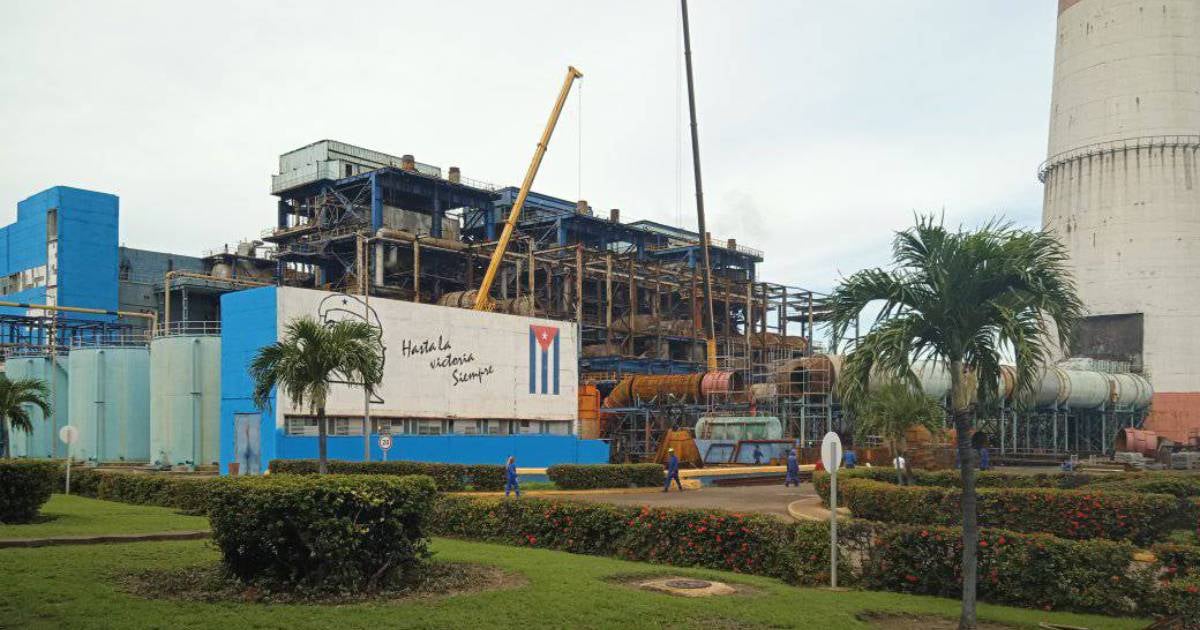
The Electric Union (UNE) announced this Saturday that Unit 8 of the Mariel thermoelectric plant and Unit 3 of Carlos Manuel de Céspedes in Cienfuegos have been synchronized to the National Electric System (SEN), in an attempt to alleviate the blackout crisis affecting millions of Cubans.
According to the state company, work is also underway on the startup of the Rente 6 unit and on the Fuel engines of Mariel, which have resolved a technological issue and could be incorporated immediately.
The announcement comes in the midst of one of the most critical weeks for the electrical system, characterized by instability, breakdowns at several plants, and the fifth nationwide blackout in less than a year, which occurred last Wednesday when the Antonio Guiteras unexpectedly went offline, causing a total collapse of the National Electric System.
On Friday, the Céspedes had gone offline due to a failure in its condenser, leaving a large part of the country experiencing prolonged outages. The Electric Company itself and official journalists acknowledged that the operation of the SEN became “even more complicated.”
Frequently Asked Questions about the Synchronization of Thermoelectric Plants in Cuba and the Energy Crisis
What thermoelectric units were recently synchronized to the National Electric System in Cuba?
Unit 8 of the Mariel thermoelectric plant and Unit 3 of the Carlos Manuel de Céspedes plant in Cienfuegos have been synchronized to the National Electric System (SEN). This effort aims to alleviate the power outage crisis affecting millions of Cubans, although the instability of the electrical system remains due to frequent breakdowns and lack of maintenance.
What are the main causes of the energy crisis in Cuba?
The energy crisis in Cuba is primarily due to decades of negligence, lack of investment, and poor management in the electrical sector. The outdated infrastructure, the lack of proper spare parts, and poor planning have led to constant failures in thermal plants, resulting in prolonged and frequent blackouts across the country.
What has been the response of the Cuban government to the critical situation of the electrical system?
The Cuban government has tried to present the reactivations of thermoelectric units as "technical victories." However, these measures are temporary fixes that do not address the structural problems of the electrical system. The lack of concrete solutions and real investments to modernize the energy infrastructure has generated discontent and skepticism among the population.
What impact do power outages have on the daily lives of Cubans?
Blackouts in Cuba severely impact the daily lives of citizens, as they disrupt essential activities such as cooking, preserving food, working, and resting. The uncertainty and lack of a reliable blackout schedule exacerbate the situation, causing frustration and despair among the population.
Filed under: