
Related videos:
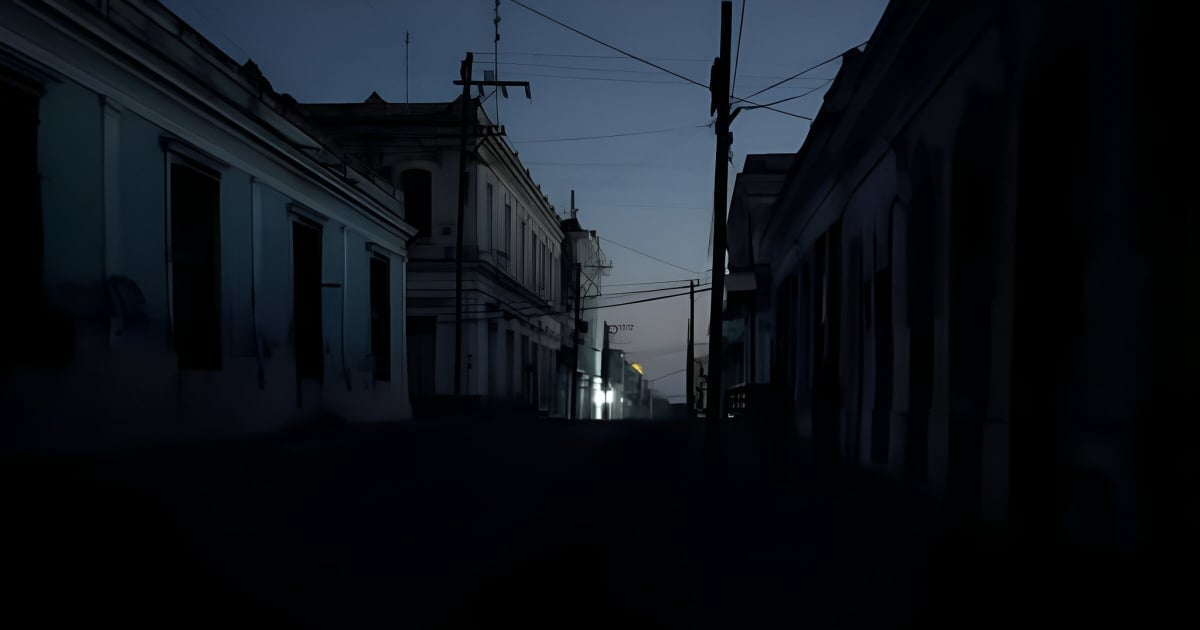
The Electric Union (UNE) reported this Tuesday that the National Electric System (SEN) is experiencing a decrease in the magnitude of disruptions, following several months of critical power outages across the country. Nevertheless, the generation deficit persists, and interruptions are expected during peak hours.
In its daily report for September 23, 2025, the UNE detailed that the maximum impact recorded the previous day reached 1,645 MW at 8:30 p.m., with service interruptions throughout the day and extending into the early hours of Tuesday.
For today, the company estimates a maximum impact of 1,462 MW during peak hours, a notable decrease compared to figures exceeding 1,700 MW reported in previous weeks.
At 6:00 a.m., the availability of the SEN was 1,968 MW, while the demand rose to 2,742 MW, resulting in an immediate shortfall of 795 MW due to capacity deficit. The forecast for noon indicates an expected shortfall of 850 MW.
Among the main problems of the system are the failures in unit 2 of the Felton Thermal Power Plant and unit 6 of the Renté Thermal Power Plant, as well as the scheduled maintenance for unit 2 of the Santa Cruz Thermal Power Plant and unit 4 of the Carlos Manuel de Céspedes Thermal Power Plant in Cienfuegos.
There are also ongoing thermal limitations that keep 494 MW out of service.
Additionally, there are issues with the supply of fuel and lubricants, which affect 51 distributed generation plants (303 MW) and keep 112 MW unavailable due to lack of lubricant, bringing the total unavailable capacity to 415 MW for this reason.
In contrast, the UNE highlighted the contribution of the 31 new photovoltaic solar parks, which generated 2,623 MWh, with a maximum power output of 536 MW delivered at midday.
Forecast for peak hours
The entry of 80 MW from engines currently out of service due to lack of fuel is expected, along with the reactivation of unit 6 of the CTE Renté with 60 MW.
Nevertheless, the expected availability during peak hours will be 2,108 MW, compared to an estimated maximum demand of 3,500 MW, resulting in a deficit of 1,392 MW and a maximum impact of 1,462 MW, if current conditions persist.
The Electric Company of Havana also reported a relative improvement. On Monday, the capital experienced a power drop of 63 MW at 8:00 p.m., with service fully restored by 10:07 p.m.
Additionally, the regime assures that it was not necessary to affect several circuit blocks during the day and early morning, a sign of relief after extended periods of daily blackouts.
Frequently Asked Questions about Blackouts in Cuba
Why are blackouts still happening in Cuba?
Blackouts in Cuba continue due to a critical electricity generation deficit, caused by multiple factors such as breakdowns in thermoelectric plants, lack of fuel and lubricants, and limitations in thermal generation. Although there are attempts to incorporate renewable energy, such as solar power, it is still insufficient to meet national demand.
What are the main causes of the electricity generation deficit in Cuba?
The electricity generation deficit in Cuba is mainly due to breakdowns in thermoelectric plants, prolonged maintenance of several units, lack of fuel and lubricants, and significant thermal limitations. These issues are exacerbated by the aging energy infrastructure and a lack of investment in new technologies.
How is the lack of electricity affecting Cuban citizens?
The lack of electricity in Cuba severely impacts the daily lives of citizens, affecting food preservation, access to drinking water, the operation of hospitals and schools, and the physical and mental health of the population. Prolonged blackouts have created an atmosphere of hopelessness and social unrest, with citizens facing service interruptions that can last more than 20 hours in some areas.
What measures is the Cuban government taking to address the energy crisis?
Although the Cuban government has announced investments in renewable energy and the maintenance of existing plants, long-term solutions have not materialized. The lack of adequate investment in energy infrastructure and the dependence on outdated plants remain a problem, while current measures only partially alleviate the crisis.
Filed under: