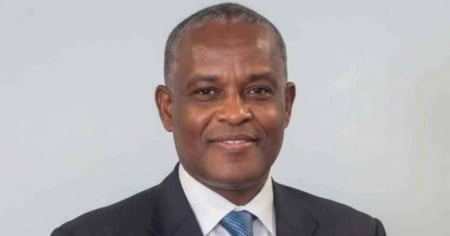
Miguel Díaz-Canel calls for social discipline and respect for internal order at a time when popular protests are growing in Cuba and government repression is intensifying.
"It is an opportunity for us to ensure citizen tranquility, respect for public order, stability in the country, social discipline, and participation in tasks amid this situation," said the leader at the beginning of the IV National Exercise for Crime Prevention and Combat, launched this week across the country.
In the meeting, he equated this national exercise aimed at "reinforcing citizen tranquility" with the importance of combating issues such as corruption, drug trafficking, illegal activities, and "social indiscipline."
The government seeks to consolidate previous experiences and improve the mechanisms of state control in neighborhoods, workplaces, and public entities.
Díaz-Canel emphasized the need to connect institutions with the population to ensure "stability" and "participation in the main tasks of the nation."
His speech comes at a time of increasing social unrest in Cuba, characterized by blackouts, shortages of drinking water, lack of food, collapse of basic services, and a rise in diseases such as dengue.
This has sparked a wave of protests in various cities, and the regime has responded by imprisoning protesters. In Gibara, the number of detainees has risen to 27 individuals.
Criminalization of peaceful protest
On Friday, 15 citizens were sentenced in Bayamo for peacefully demonstrating on March 17, 2024, during a day when shouts of “Freedom,” “Homeland and Life,” and “Down with the dictatorship” echoed through the streets.
Sentences range from three to nine years in prison, imposed under charges commonly seen in the regime's political trials: public disorder, contempt, resistance, disobedience, and incitement to commit a crime.
The court stated that the defendants threatened “citizen stability and security,” using the same language employed by Díaz-Canel to justify an increase in social control.
Las autoridades afirman que se respetaron las garantías procesales, pero las organizaciones de derechos humanos han denunciado la falta de transparencia, pruebas inconsistentes y un patrón de represión sistemática.
The trial, held more than a year after the events, was marked by arbitrary arrests, prolonged preventive detention, and baseless accusations, such as the alleged illegal possession of weapons.
Reinforce control instead of addressing demands
Far from providing answers to popular demands, the regime's approach remains focused on control. Díaz-Canel ordered the constant updating of the institutional security plans and called for firm action against crimes such as the theft of electrical cables and transformers, structural issues exacerbated by the economic crisis itself.
Among the prioritized issues, he mentioned gender violence, tax evasion, and administrative corruption, although these scourges coexist with an opaque state structure, lacking free press and accountability mechanisms.
The recent wave of repression has included nighttime detentions, threats of summary trials, and increased surveillance in neighborhoods deemed “hot.”
"The fight against crime must be a daily task," stated Díaz-Canel, making it clear that social discipline will not be built through justice but through exemplary punishment. His call for "citizen tranquility" contrasts with the images of repression, beatings, and arrests that have accompanied each outbreak of protest in recent years.
In Cuba, the right to protest remains criminalized, and those who dare to exercise it face years in prison. The regime's call for "stability" is a warning that repression will continue.
Frequently Asked Questions about the Current Situation in Cuba and Díaz-Canel's Statements
Why have protests in Cuba increased recently?
The protests in Cuba have increased due to growing social discontent, characterized by power outages, shortages of drinking water, lack of food, collapse of basic services, and a rise in diseases such as dengue. This context has driven citizens to demonstrate in various cities across the country.
How has the Cuban government responded to the protests?
The Cuban government has responded to the protests with an increase in repression, imprisoning demonstrators and tightening social control mechanisms. Authorities have conducted nighttime arrests, summary trials, and have intensified surveillance in neighborhoods deemed "hot."
What measures has Díaz-Canel announced to address the situation in Cuba?
Miguel Díaz-Canel has emphasized the need to unite institutions with the population to ensure stability. However, the regime's focus remains on control rather than providing answers to popular demands, constantly updating institutional security plans and taking a firm stance against crimes such as the theft of electrical cables.
What has been the international reaction to the repression in Cuba?
Human rights organizations have reported a lack of transparency in judicial processes and a pattern of systematic repression in Cuba. They have criticized that due process guarantees are not respected and that the accusations in political trials are inconsistent, highlighting a criminalization of peaceful protest.
Filed under: