
Related videos:
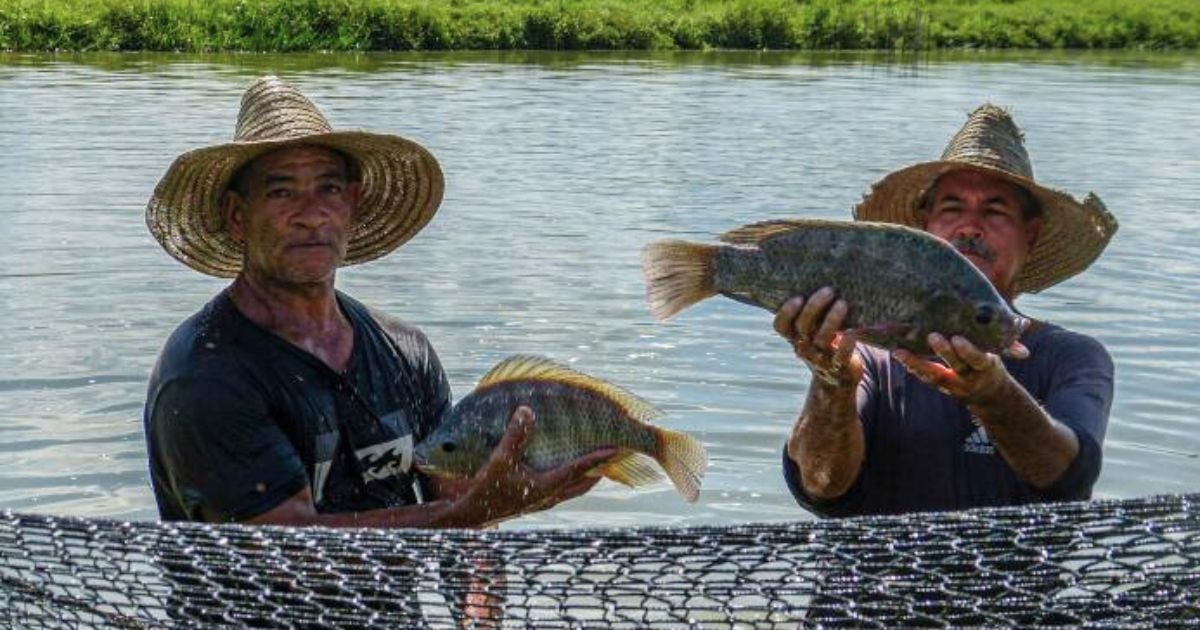
Fish production in Granma is experiencing one of its worst recent crises due to prolonged power outages and fuel shortages affecting the province's main aquaculture station.
The official newspaper Granma acknowledged that the base business unit René Ramos Latour, known as Acuipaso, has only managed to produce 5.4 million fish fry out of the 14.8 million planned for 2025.
The drop of more than 60% directly impacts the fish markets of the Granma Fishing Company (Pescagran), which supply 24 sales points that provide the population with products such as minced meat, croquettes, and fillets.
The situation is not new. In 2023, the lack of feed forced a change in plans, yet 26.2 million fingerlings were still produced, surpassing expectations.
This year, however, the collapse of the electrical system and the lack of fuel to keep pumps and incubators running have resulted in the massive loss of fish due to oxygen deprivation in the ponds.
"When the water level in the ponds drops, they lack oxygen and die, completely disappearing," admitted Isidro Beltrán León, general director of Pescagran.
Acuipaso is the second largest fish hatchery in the country, with 52 earthen ponds and 164 concrete pools spread over about 50 hectares.
But the infrastructure is entirely dependent on electricity to fill the tanks and maintain the reproduction of cyprinids, species that cannot reproduce without a flow of water.
Although they have a generator, each cycle requires more than 700 liters of fuel, which is impossible to guarantee with the reduced allocations they receive.
The daily blackouts and the inability to pump water have forced the prioritization of only a few water tanks, leaving the majority either empty or partially filled.
Workers describe the scene: dry pools, weeds along the edges, and schools of fish reduced to just a few ponds.
The shortage also affects animal feed. Although imported feed and that from the Calisur shrimp farm is used, breeders often have to resort to cow, chicken, or pig manure as fertilizer to generate phytoplankton and zooplankton, as well as crushed fish remains.
However, the instability in fuel supply is hindering even the transportation of those supplies.
Additionally, there are frequent thefts at the facilities, with birds and people taking advantage of the lack of oversight.
Of the 25 security positions, 17 are vacant, and workers warn that taking care of rice or livestock pays more than protecting a dilapidated farm.
The crisis has reduced employees' incomes: whereas in 2023 they could earn up to 17,000 pesos linked to production, today they barely receive 2,300.
"Without power and without fuel, we are nothing," summarized Yuniesky Rosabal Rosa, director of General Services.
The scene contrasts with the years when trucks filled with fish used to leave, and the province was a benchmark for intensive aquaculture.
Today, the production of fingerlings in Granma is in free fall, the ponds are drying up, and the supply of fish on the Cuban table is dwindling to a trickle.
The crisis in the fishing sector in Cuba has reached alarming levels. In Granma, the authorities recently seized more than 1,000 pounds of fish in a police operation that uncovered the extent of the informal market.
This situation reflects the deterioration of the state distribution system and the increase in the diversion of resources.
Facing a shortage of supplies and technology for preserving seafood, the Base Business Unit Acuinicú of Camagüey has had to revert to traditional methods, such as sun exposure and the use of salt to preserve fish.
This setback in conservation practices highlights the direct impact of power outages and the lack of industrial ice on the production chain.
The energy crisis also affects other areas of the country. In Sancti Spíritus, the government acknowledged that the fish in the Zaza reservoir vanished due to adverse conditions, including a lack of oxygenation due to pumping failures and inadequate monitoring.
These losses reflect a national pattern of deterioration in intensive aquaculture.
In the Granma municipality of Niquero, the snapper fishing was virtually ruined due to a combination of prolonged blackouts and the inability to ensure ice for its preservation.
Local fishermen, lacking the means to store their catch, were forced to cut back on their operations or face significant financial losses.
Frequently Asked Questions about the Fishing Crisis in Granma
Why has fish production in Granma decreased?
The production of fish in Granma has decreased due to prolonged power outages and fuel shortages affecting the province's main aquaculture station. The base business unit René Ramos Latour, known as Acuipaso, has managed to produce only 5.4 million fry out of the 14.8 million planned for 2025. The lack of electricity and fuel has led to massive fish losses due to oxygen depletion in the ponds, directly impacting the fish markets of the Granma Fishing Company (Pescagran).
How do power outages affect fish production in Granma?
Power outages severely impact fish production in Granma because the aquaculture infrastructure is entirely dependent on electricity to fill the ponds and sustain the reproduction of cyprinids. Without electricity, it is impossible to pump water and maintain the necessary oxygen levels for the fish, leading to massive die-offs. Additionally, the lack of fuel for generators exacerbates the situation, leaving most ponds empty or half-filled.
What impact does the fishing crisis have on the population of Granma?
The fishing crisis in Granma directly affects the availability of fish for the population. The decline in the production of fry impacts 24 sales points that supply the population with products such as minced meat, croquettes, and fillets. The shortage of fish limits the supply in fish markets and reduces the food available for Cubans, worsening the already critical food situation in the country.
What measures have been taken to counter the fishing crisis in Granma?
So far, the measures adopted to counter the fishing crisis in Granma have been insufficient. The lack of resources and fuel has forced a prioritization of only some ponds, leaving the majority empty. Although there is a generator, the fuel allowances are insufficient to keep it running continuously. No effective solutions have been implemented to ensure the necessary supply of electricity and fuel for aquaculture production.
How does the current situation compare to previous years in the fishing production of Granma?
The current situation of fish production in Granma is significantly worse than in previous years. In 2023, despite the lack of feed, production exceeded expectations with 26.2 million fry. In contrast, this year production has fallen by more than 60% due to electrical and fuel issues. The aquaculture infrastructure, which was once a benchmark in intensive breeding, is now facing an unprecedented collapse.
Filed under: