
Related videos:
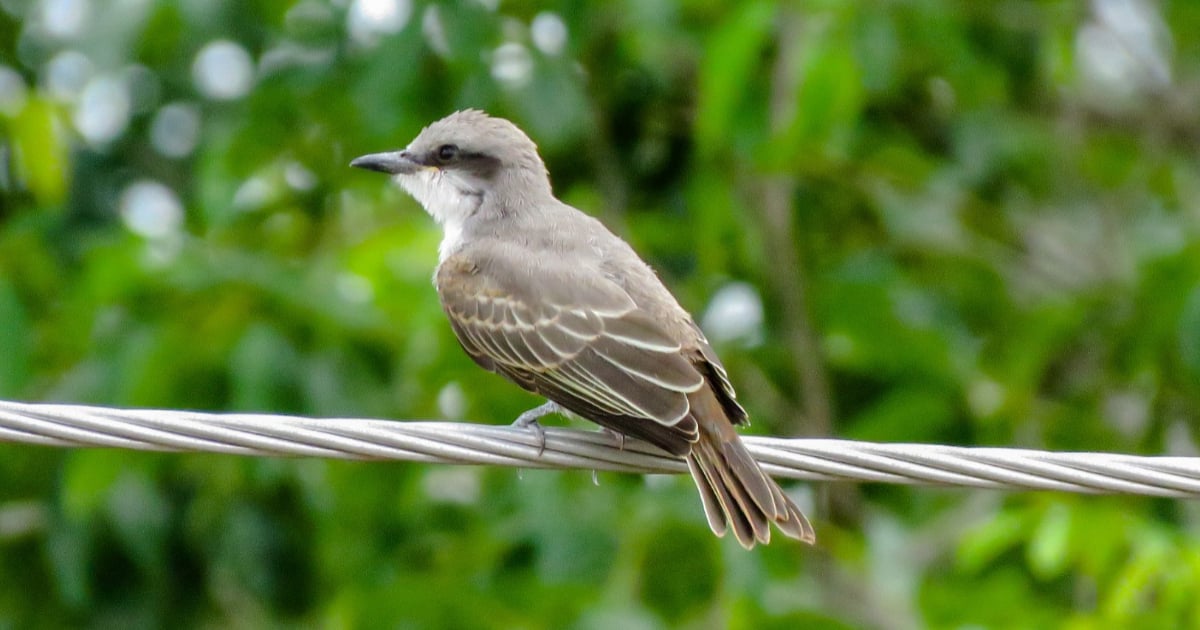
The food crisis in Cuba has reached alarming levels: in the eastern part of the country, the pitirre abejero, a migratory bird that usually breeds on the island and flies to South America each winter, is sold on the black market for 400 pesos per pound, equivalent to one dollar on the informal exchange.
The independent observatory Food Monitor Program (FMP) reported this Wednesday on the social network X that the hunting of this species has become a means of subsistence for many families, despite the ecological consequences it may bring.
"The bee-eating pitirre is not just meat; it is a natural controller of insects and helps balance ecosystems," the group warned.
During their seasonal passage, these birds gather in rivers, lagoons, and bodies of water, making them easier to capture with makeshift weapons such as 4.5 mm caliber air rifles—allegedly for sport, but lethal to birds—and shotguns regulated by Decree Law 262 in Cuba.
For the whistleblowers, the practice reflects the paradox of the Cuban crisis: a natural resource turned into a means of survival, a weakened ecosystem, and a species placed at risk.
"The indiscriminate hunting, coupled with increasing deforestation, raises the vulnerability of the migratory routes of the pitirre," the report warned.
The program noted that the scarcity has also driven deforestation, the illegal hunting of jutías and iguanas, and the intensive fishing of species such as crabs and freshwater shrimp, all of which have become desperate alternatives in the face of food shortages.
FMP urged the Cuban authorities to address this phenomenon with social justice and environmental protection policies that ensure sustainability, without criminalizing subsistence practices in a country with increasingly limited resources.
The crisis that Cubans are currently facing, which has driven them to adopt near-caveman practices, is evident every day.
Recently, FMP reported that the ongoing energy and food crisis in Cuba has forced thousands of families to cut down trees for cooking, due to blackouts lasting up to 20 hours a day and the prolonged suspension of liquefied gas supply.
Frequently Asked Questions about the Food Crisis in Cuba and the Hunting of the Pitirre
Why is the bee-eater being hunted in Cuba?
The hunting of the bee-eater in Cuba has become a means of subsistence due to the food crisis. Many families resort to this practice in order to feed themselves, although it has serious ecological consequences, as the bee-eater is a natural controller of insects and its mass capture could disrupt ecosystems.
What is the price of the bee hummingbird on the black market in Cuba?
In the Cuban black market, honey buzzard meat is sold for 400 pesos per pound, which is approximately equivalent to one dollar on the informal exchange. This high price reflects the desperation and hunger that the Cuban population faces due to the food crisis.
What impact does the food crisis have on the Cuban population, especially on vulnerable groups?
The food crisis in Cuba has led to one in four Cubans going to bed without dinner. Vulnerable groups such as the elderly, pregnant women, people with disabilities, and patients with chronic illnesses are the most affected. The situation has worsened due to inflation, food shortages, and the collapse of basic services such as electricity and drinking water.
What measures have been proposed to address the food crisis in Cuba?
The Food Monitor Program (FMP) has urged the Cuban government to implement social justice and environmental protection policies that ensure sustainability. It is requested that subsistence practices be addressed without criminalizing those who engage in them, and structural reforms are demanded to allow adequate access to food and essential services for the entire population.
Filed under: