
Related videos:
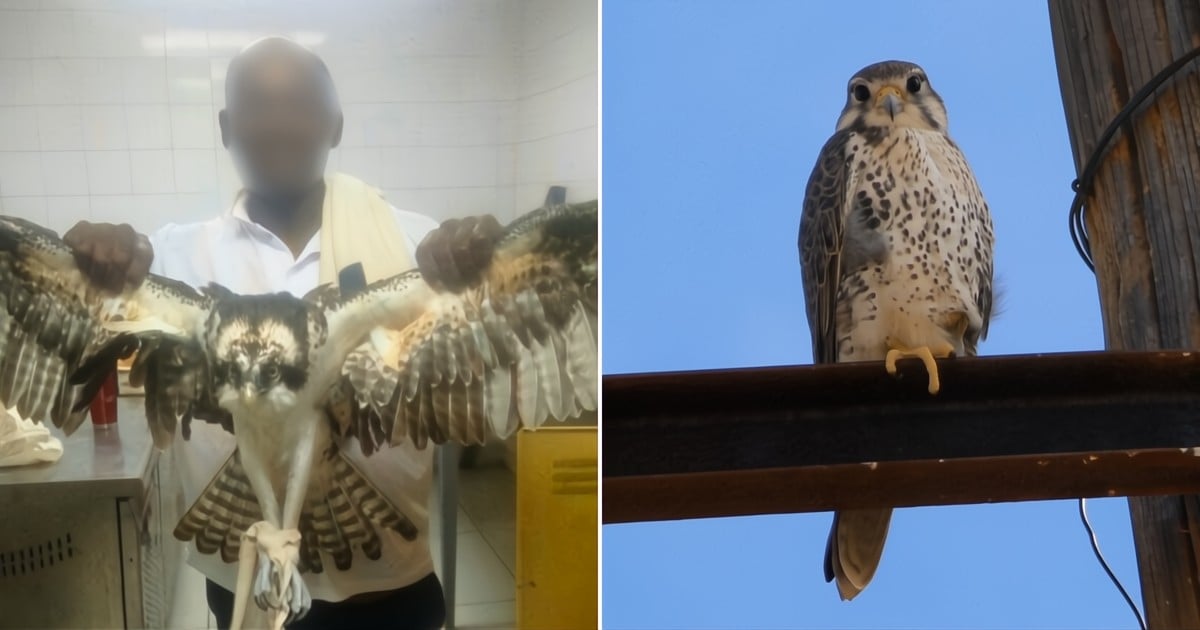
A social media post has sparked outrage after it became known that a man, identified as Leyder Milanés, offered a peregrine falcon for auction from the city of Cárdenas, Matanzas.
The complaint was made this Wednesday by the animal protection organization BAC-Habana, which described the incident as "completely unacceptable" and demanded that the authorities investigate and severely punish those responsible.
In the shared photo, the subject is seen holding the bird with both hands; the bird is alive and has its wings spread, while its legs are tied, which clearly demonstrates a case of animal cruelty and trafficking of Cuba's wild species, classified as a crime under the law.
“Peregrine falcon for sale. Interested parties can contact 59614106 or 55219699. Located in Cárdenas. Highest bidder wins. It's an auction. It's uncommon in our country,” reads the advertisement posted by Milanés, who also provides contact numbers to finalize the transaction, as if it were a regular sale.
The peregrine falcon (Falco peregrinus) is a protected species at the international level, included in conservation listings of the Convention on International Trade in Endangered Species of Wild Fauna and Flora (CITES). Its capture, possession, and trade are serious environmental crimes under both Cuban law and international treaties signed by the country.
"The peregrine falcon is not only a species of great ecological value, but it also plays a fundamental role in the balance of ecosystems," emphasized BAC-Habana in its denunciation message.
The organization emphasized that this act constitutes an attack against biodiversity and against the enforcement of laws governing the protection of wildlife in Cuba.
"The wildlife is not for sale; it deserves respect," stated BAC-Habana, which urged sharing the report to prevent these environmental crimes from continuing "with total impunity and in plain sight on social media."
The case of the peregrine falcon auctioned on social media is not an isolated incident. The sale and illegal trafficking of wildlife in Cuba have become increasingly common, often with little intervention from authorities and in plain sight of the public.
This has generated increasing concern among environmental organizations and citizens aware of the ecological damage these practices entail.
A few days ago, a Cuban was detained at Miami International Airport for attempting to smuggle live birds into the country.
He had five copies hidden among his clothes in his luggage, which exposed the weaknesses in customs controls and the risk of these species ending up in the international black market.
Captures have also been reported within the national territory. In Villa Clara, the police , many of which were in precarious conditions and without any documentation.
The practice is often motivated by profit, whether for sales in local markets or for clandestine commissions.
The marketing of protected species has also been denounced by animal advocacy organizations. One of them publicly condemned the sale of parakeet chicks on social media, with photos showing the animals still in dependence age, ripped from their nests and offered as exotic pets.
In another shocking incident, citizens reported the sale of an injured aura tiñosa in broad daylight in Havana. The bird, visibly injured, was displayed on social media as though it were just another object, showing complete disregard for its suffering and the conservation laws currently in place in the country.
Frequently Asked Questions about Illegal Wildlife Trafficking in Cuba
Why is it illegal to auction a peregrine falcon in Cuba?
The auction of a peregrine falcon is illegal in Cuba because this species is protected by the Convention on International Trade in Endangered Species of Wild Fauna and Flora (CITES) and its capture, possession, and commercialization constitute serious environmental crimes under Cuban and international laws. Furthermore, Decree-Law No. 31 on Animal Welfare prohibits these actions without authorization.
What penalties do those who traffic in wildlife in Cuba face?
Wildlife traffickers in Cuba may face fines and criminal penalties under Decree-Law 31/2021 on Animal Welfare. Very serious violations can result in fines, confiscation of animals, and suspension of animal ownership. Additionally, Law 81/1997 on the Environment expressly prohibits the trafficking of wildlife, which can also lead to severe legal sanctions.
What role does BAC-Habana play in the protection of animals in Cuba?
BAC-Habana is an animal protection organization that denounces acts of animal cruelty and illegal wildlife trafficking in Cuba. BAC-Habana demands that authorities investigate and punish these practices and promotes public awareness about the importance of protecting biodiversity and respecting animal welfare laws. It also collaborates in creating international initiatives to curb animal abuse on the island.
How does the illegal trafficking of species affect the Cuban ecosystem?
The illegal trafficking of species seriously affects the Cuban ecosystem by disrupting the natural balance and biodiversity. Species like the peregrine falcon play fundamental roles in the ecosystem, and their illegal capture can lead to imbalances that impact other species and the environment as a whole. The protection of these species is crucial for maintaining ecological health and stability in Cuba.
Filed under: