
Related videos:
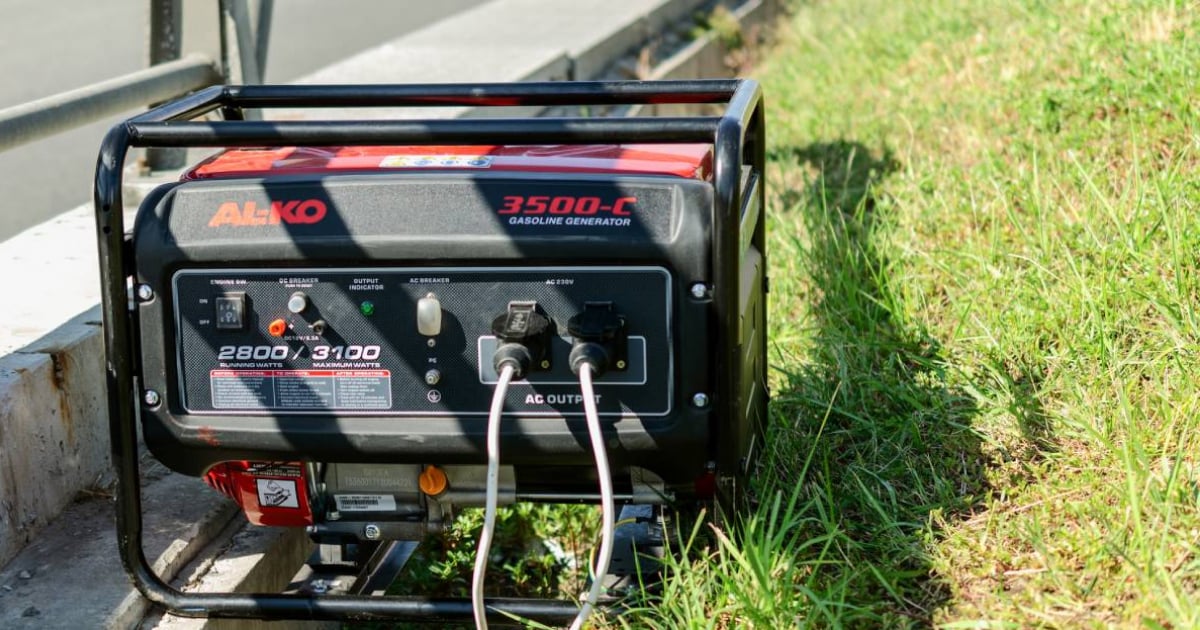
The energy crisis in Cuba continues to give rise to "ingenious solutions" that actually reinforce state control over daily life, all of this amid an intensification of power outages. This time, the focus is on private power plants.
Starting this Wednesday, a mandatory census of internal combustion generators producing electricity began in the municipality of Puerto Padre, Las Tunas.
Registration takes place at the local Audit Office, located at 60 Lenin Street, from 8:00 a.m. to 12:00 noon, as reported by the official source Periódico 26.
Licenced Liliana Betancourt Ballaga, director of the Municipal Government Insurance Unit, specified to Radio Libertad that property owners must present their identity card, the legal documents for the equipment, and the supply book to be included in the census, and miraculously, they do not require bringing the plant as well.
The stated objective of the process is to determine who will be able to access fuel distribution through the digital platform Ticket, which will serve as the means to supply generators amid the shortage.
A similar process is already underway in the city of Las Tunas, the provincial capital, and once both are completed, there would be at least three municipalities where the sale of gasoline to power private generators would be allowed, seen by many as a lifesaver amid increasingly frequent blackouts.
This new control over the use of power plants adds to other bureaucratic measures that limit access to essential resources, in a country where state electricity generation is increasingly insufficient.
State control over the use of electric generators in Cuba is not new, but it has strengthened in recent times. In Havana, the government had already begun a similar census, with the aim of regulating who could access fuel, amid a growing shortage that impacts households and businesses.
In 2022, the CIMEX corporation imposed strict limits on fuel sales for owners of these equipment, forcing many Cubans to wait in long lines at gas stations, as happened in Holguín, where residents brought their generators to the service stations in an attempt to obtain some gasoline.
While these controls are being implemented, Cuba is sinking into increasingly prolonged blackouts that sweep across the island and force families to rely on private generators.
Frequently Asked Questions about the Electric Plant Census in Cuba
Why is an electric power plant census conducted in Cuba?
The census of power plants in Cuba is conducted to determine who will have access to fuel distribution through the digital platform Ticket, which will be used to supply generators amid the scarcity of resources. This control is part of the energy crisis affecting the country, where state electricity generation is insufficient.
What documents do Cubans need to register their electric generators?
To register the power plants, Cubans must present their identity card, the legal documents of the equipment, and the supply booklet. These requirements reinforce state control over access to energy resources in a context of crisis.
How does the current energy crisis affect daily life in Cuba?
The energy crisis in Cuba severely impacts daily life with prolonged blackouts, a lack of electricity in hospitals and basic services, and the necessity to use private electrical generators as a temporary solution. The situation generates despair and social unrest among the population.
What are the risks of using portable generators in Cuba?
The use of portable generators in Cuba carries significant risks, such as carbon monoxide poisoning, especially when used in enclosed spaces or near homes. The lack of appropriate warnings and the fear of theft increase the danger, making these devices a hazardous solution during power outages.
Filed under: