
Related videos:
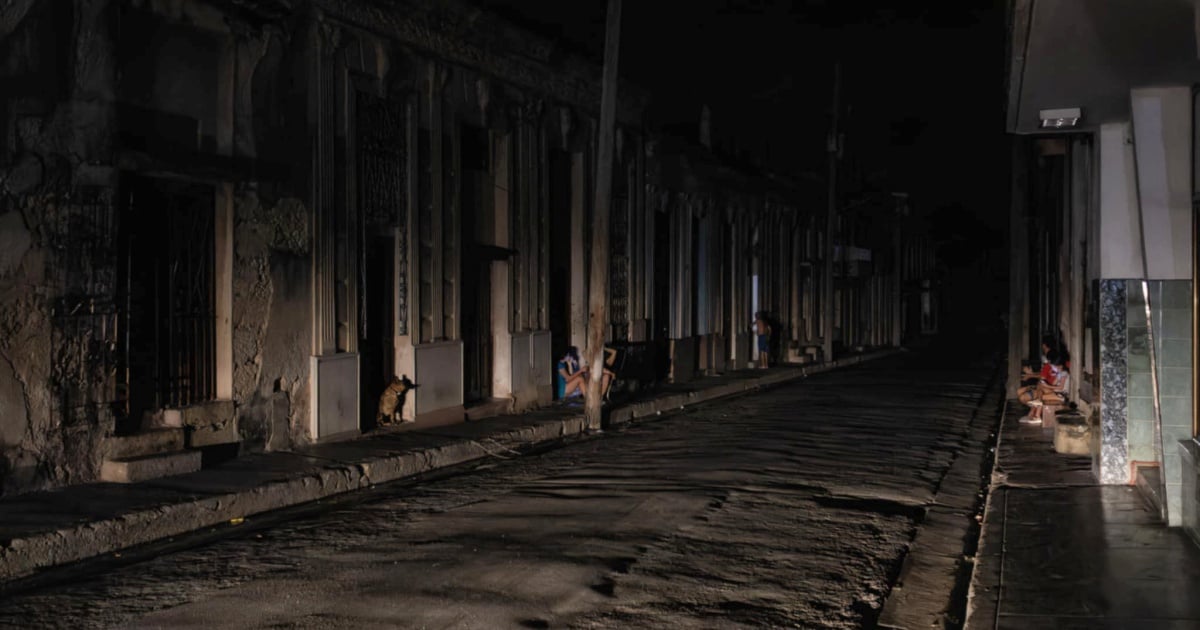
After more than 24 hours of blackouts in several provinces of the country, the Cuban regime once again blamed the U.S. government for the energy crisis affecting millions of citizens in a nation that continues to spend on the construction of hotels that remain empty.
The Minister of Foreign Affairs, Bruno Rodríguez Parrilla, presented an update on the national report regarding the effects of the U.S. embargo, covering the period from March 2024 to February 2025. He stated that this policy has caused damages exceeding 7.5 billion dollars in a single year, a 49% increase compared to the previous period, reported Cubadebate.
Rodríguez insisted that the embargo strongly impacts the national electricity system, which he described as one of the most affected sectors.
He stated that five days of blockade hinder financing the repair of plants such as Antonio Guiteras and Carlos Manuel de Céspedes, and that two months of embargo are equivalent to the total cost of the fuel needed to meet the country's electricity demand.
During his speech, the chancellor stated that, if this policy from Washington did not exist, Cuba could guarantee its electricity supply and make progress on energy projects.
"Twelve days of blockade represents the annual maintenance budget of the electrical system," he stated, in yet another of the government's usual comparisons to evade its share of responsibility.
The report also notes that the country has faced contract cancellations, refusals of technical assistance, and blocked transfers by foreign banks, all due to fears of US sanctions.
Among the cited examples, there is a mention of a friendly company's refusal to provide technical assistance for repairing a plant, due to the equipment containing more than 10% American components.
For her part, the Deputy Minister of Energy and Mines, Tatiana Amarán Bogachova, spoke at the Round Table to reiterate that the embargo is "the main obstacle" to recovering the Cuban electrical system.
He acknowledged that the power outages profoundly affect the daily lives of the population, and that even contracted technicians have declined to travel to the island due to external pressures.
The official also noted that the embargo increases the cost of equipment, delays access to key parts, and hampers the acquisition of necessary technologies to advance in renewable energies.
"It’s like having a sick system and being denied the medicine to heal it," he stated, in a phrase that summarizes the official narrative.
The curious thing is that among so many reports and figures, there is no mention of how much investment has been lost due to the regime's failed policies..., but of course, this latter will never admit its part in the responsibility for the energy chaos on the island.
Meanwhile, blackouts are intensifying across the country and continue to dictate the routine of millions of Cubans, who live in a state of fatigue, frustration, and a lack of concrete answers about when the situation will improve.
Frequently Asked Questions about the Energy Crisis in Cuba and the U.S. Embargo.
Why does the Cuban regime blame the U.S. for the blackouts?
The Cuban regime blames the U.S. for the economic embargo, claiming that it hinders the repair and maintenance of critical infrastructure such as power plants. According to the authorities, the embargo restricts access to financing, technology, and spare parts, directly impacting Cuba's ability to maintain a stable electricity supply.
How does the U.S. embargo affect the Cuban electric system?
The U.S. embargo hampers Cuba's access to international markets, complicating the acquisition of fuel, spare parts, and technical assistance for power plants. This situation has led to the cancellation of contracts and refusals of technical assistance from foreign companies, according to statements from the Cuban government.
What other internal factors contribute to the energy crisis in Cuba?
The energy crisis in Cuba is also due to internal issues such as a lack of investment, low productivity, a centralized economic model, and corruption. These factors have led to a deterioration of the electrical infrastructure and an inability to sustainably generate foreign currency.
What measures has the Cuban regime announced to address the blackouts?
The regime has promised to reduce blackouts to an average of four hours a day, through the repair of plants and an increase in renewable energy generation. However, these promises have been met with skepticism due to the lack of tangible improvements in the past.
What is the reaction of the Cuban population to the energy crisis?
The Cuban population has expressed frustration and discontent regarding the lack of effective solutions to the energy crisis. The prolonged power outages have severely impacted the quality of life, leading to protests and a growing skepticism towards the government's promises.
Filed under: