
Related videos:
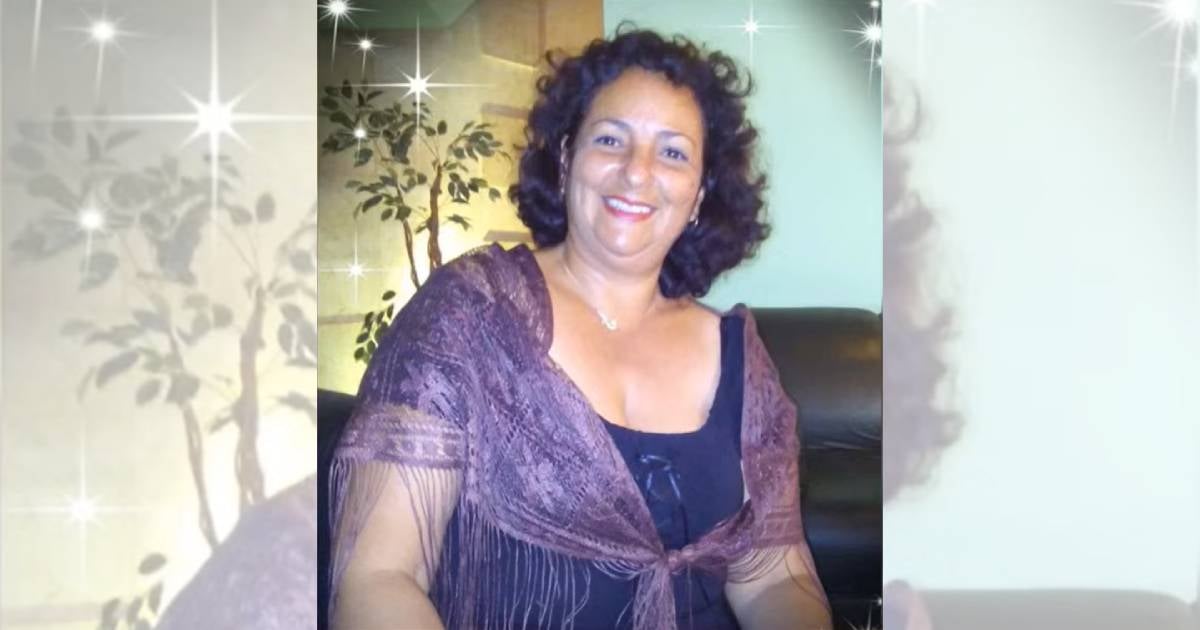
The former dean of the Faculty of Languages and Communication at the University of Camagüey, Dania María Santí Morlanes, known for her role in the expulsion of professors and students for political reasons, obtained permanent residency in the United States through family sponsorship, as revealed by Martí Noticias.
Your case has reopened wounds among the victims of academic repression, who today question how someone who was a visible face of expulsions and ideological sanctions in Cuba can benefit from the freedoms of a country they criticized so much.
The journalist and former university professor José Raúl Gallego recalled that in 2018, Santí, also a member of the Communist Party, signed the resolution that demoted him from his teaching position and prohibited him from giving classes for writing in independent media and defending a student who was threatened with expulsion.
“She was the visible executor, the signature that turned the political order into punishment”, said Gallego, who displayed documents signed by the then-dean as evidence of what transpired.
On his part, journalist José Luis Tan Estrada, a former student and former teacher at that university, stated that it was Santí herself who read to him his expulsion in November 2022, accusing him of having a “negative influence” due to his posts on social media.
“He did it with satisfaction,” he reported. After that incident, Tan faced surveillance, internet cuts, interrogations, and smear campaigns, until he was forced to leave Cuba.
From signing expulsions to the "American dream"
According to research by Martí Noticias, Santí Morlanes traveled to the United States in February of this year and returned to Cuba in September with her green card. However, when contacted by the media, she denied residing in the country.
For the Foundation for Human Rights in Cuba, which included her on its list of oppressors, Santí embodies the profile of a “white-collar oppressor”: bureaucrats who, from administrative positions, implement political decisions against critical voices.
“The message is clear: if you participate in the repressive mechanisms of the Cuban regime, there will be consequences,” said Rolando Cartaya, a member of the foundation, in an interview with Martí Noticias.
"Those who denied freedoms now enjoy them."
The victims of Santí insist that his past must be reviewed by the immigration authorities. "Anyone who collaborated in the political persecution at the university must be held accountable when seeking protection in a country that guarantees the rights they denied to others," Gallego stated.
Tan Estrada was more emphatic: "While he exiled teachers and students from the classrooms, today he enjoys the freedoms he denied."
Both demand memory and responsibility, and warn that cases like this should not become normalized in a community that knows firsthand the costs of Cuban authoritarianism.
Frequently asked questions about the case of Dania María Santí Morlanes and the Cuban immigration situation
Who is Dania María Santí Morlanes and why is her residency in the U.S. controversial?
Dania María Santí Morlanes is a former dean of the University of Camagüey, known for her role in the expulsion of teachers and students for political reasons in Cuba. Her acquisition of residency in the U.S. has sparked criticism due to her repressive past in the academic field, which contrasts with the freedoms she now enjoys in the United States.
How did Dania María Santí Morlanes obtain residency in the United States?
Santí Morlanes obtained permanent residency in the U.S. through a family petition, as she is the mother of a U.S. citizen. This process allowed her to enter and legally settle in the country.
What is the stance of the victims of academic repression in Cuba regarding the case of Santí Morlanes?
The victims of academic repression, such as José Raúl Gallego and José Luis Tan Estrada, criticize the fact that someone who denied freedoms in Cuba can now enjoy them in the U.S. They urge immigration authorities to review their past before granting rights in a country that protects the freedoms they denied to others.
What other cases similar to that of Dania María Santí Morlanes have been reported?
There are other cases of figures linked to the Cuban regime who have applied for residency in the U.S., such as former judge Amalio Alfaro Matos, accused of repressing opponents. These cases have sparked outrage among the victims of the regime residing in the United States, who denounce the presence of repressors in the country.
Filed under: