
Related videos:
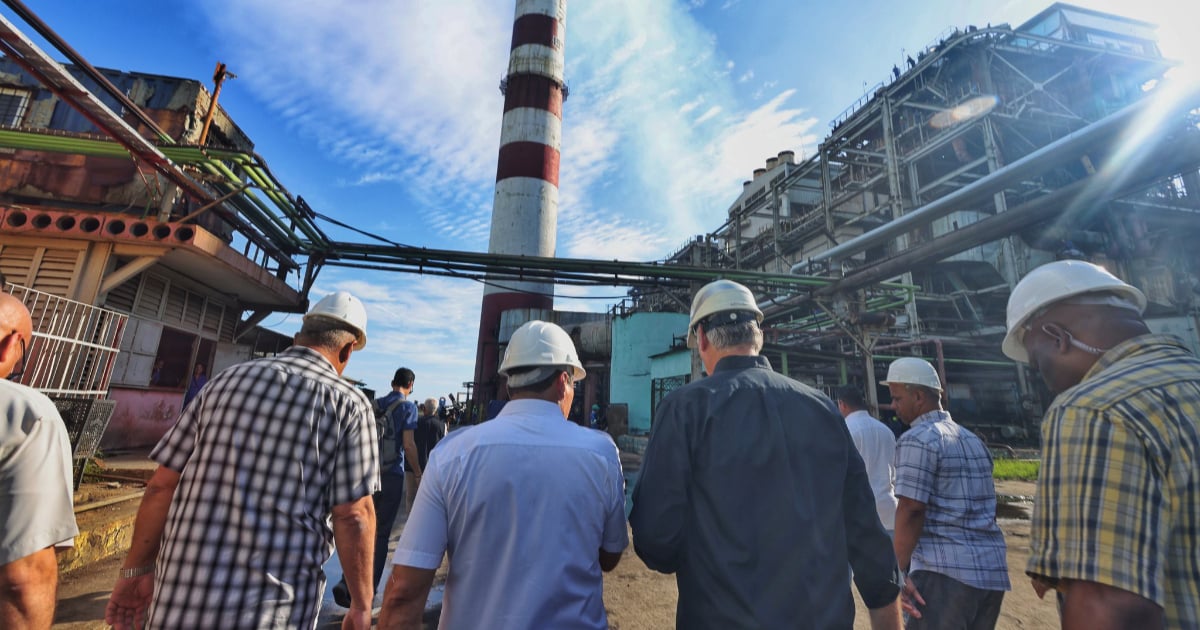
The thermoelectric power plants (CTE) in Cuba are operating this Tuesday at only one quarter of their installed capacity, a figure that reflects the severe deterioration of the national electricity system, according to data from the Electric Union (UNE) as reported by the agency EFE.
Currently, three of the seven power plants are out of the National Electric System (SEN) due to breakdowns and maintenance, including the Antonio Guiteras, one of the most important plants in the country. The remaining four plants contribute a maximum of 689 megawatts (MW), compared to a total installed capacity of 2,613 MW.
Obsolete and collapsed infrastructure
The crisis highlights the poor technical condition of the outdated thermoelectric plants, which are the backbone of the National Electric System. These 16 generation units had contributed nearly 40% of the national energy mix in previous years, but decades of operation without significant investments have drastically reduced their actual performance.
In the current day, none of the four operational power plants are functioning at full capacity, as all of them have units out of service or operating at reduced power.
The Felton power plant, with an installed capacity of 510 MW, is currently only contributing about 180 MW, as one of its two units is out of service.
Other plants such as Mariel, Cienfuegos, and Nuevitas, built during the 1960s and 1970s, also operate well below their potential.
The departure of Guiteras increases the deficit
The "unexpected" shutdown of the CTE Antonio Guiteras, due to a boiler failure, resulted in an instant loss of 250 MW for the SEN. As a result, the generation deficit surged: the UNE had estimated simultaneous impacts on 51% of the country during peak hours, but with this breakdown, the figure rose to 58% of the national territory.
This type of incident jeopardizes the overall stability of the SEN, which has already experienced five nationwide blackouts in the past twelve months, three of which were related to similar failures.
Scheduled technical stop and lack of investment
The authorities announced a technical shutdown of the Guiteras for December, initially scheduled to last six months, marking the first of its kind in 15 years. Maintenance cycles for this type of plant should not exceed seven years, highlighting the accumulated delay in addressing the energy infrastructure.
Independent experts attribute the crisis to decades of underinvestment in a sector that has been entirely state-owned since 1959. They estimate that the complete overhaul of the SEN would require between 8 to 10 billion dollars, amounts that are unattainable for a country in deep economic crisis for more than five years.
A structural problem with social impact
The Cuban government blames U.S. sanctions for the crisis, which it describes as "energy suffocation." However, specialists point to deeper internal problems: chronic inefficiency, aging technology, lack of maintenance, and an inability to diversify generation sources.
The prolonged blackouts, which in some areas exceed 20 hours a day, not only impact the economy —which contracted by 1.1% in 2024 and has accumulated an 11% decline over five years— but have also triggered social protests similar to those in July 2021, as well as more recent ones in Havana and Gibara.
The combination of collapsed infrastructure, lack of investment, and economic crisis places the Cuban electrical system in an extremely vulnerable position, with direct consequences for the population and the political stability of the country.
Frequently Asked Questions about the Energy Crisis in Cuba
Why are the thermoelectric plants in Cuba operating at 25% of their capacity?
The thermoelectric plants in Cuba are operating at 25% of their capacity due to significant deterioration of the electrical infrastructure. The Cuban electrical system suffers from obsolescence and a lack of investment, which has drastically reduced its performance. Additionally, several plants are out of service due to breakdowns and maintenance, further exacerbating the situation.
What are the main causes of the energy deficit in Cuba?
The energy deficit in Cuba is due to multiple factors. The main causes include technological obsolescence, lack of maintenance, chronic inefficiency, and difficulty in diversifying generation sources. Additionally, the scarcity of fuel and external sanctions also contribute to the problem.
How does the electricity crisis affect the Cuban population?
The electrical crisis in Cuba has a profound impact on the daily lives of its citizens. Extended blackouts affect the economy, everyday life, and essential services such as water supply and food preservation. This situation has generated social discontent and protests in various regions of the country.
What are the prospects for solving the energy crisis in Cuba?
The prospects for resolving the energy crisis in Cuba are not encouraging in the short term. Significant investments, estimated between 8 billion and 10 billion dollars, are needed to modernize the energy infrastructure. Although renewable energy projects have been announced, they are not enough to alleviate the current deficit. The lack of funding and inefficient management further complicate the situation.
Filed under: