
Related videos:
Although no active transmission of arbovirus infections has been demonstrated in the province of Holguín, cases of dengue and chikungunya have been reported in most of the 14 municipalities.
Health authorities are raising alarms about the elevated risk in areas such as Holguín, Moa, Mayarí, Gibara, Rafael Freyre, Báguanos, Cueto, and Urbano Noris, as reported by the official newspaper ¡Ahora!
The director of the Provincial Center for Hygiene, Epidemiology, and Microbiology in Holguín, Dr. Geanela Cruz Ávila, emphasized that serotype four of dengue is currently circulating and the presence of the chikungunya virus has been confirmed in the town of Cristino Naranjo, municipality of Cacocum.
Although there is no proven transmission, authorities consider the possibility of localized outbreaks to be imminent.
The specialist urged individuals to seek medical attention immediately if experiencing symptoms such as fever, muscle pain, joint pain, pain behind the eyes, general malaise, headache, or nausea.
It was confirmed that laboratory studies and PCR tests are ongoing in coordination with the Pedro Kourí Institute of Tropical Medicine (IPK) to confirm suspected cases.
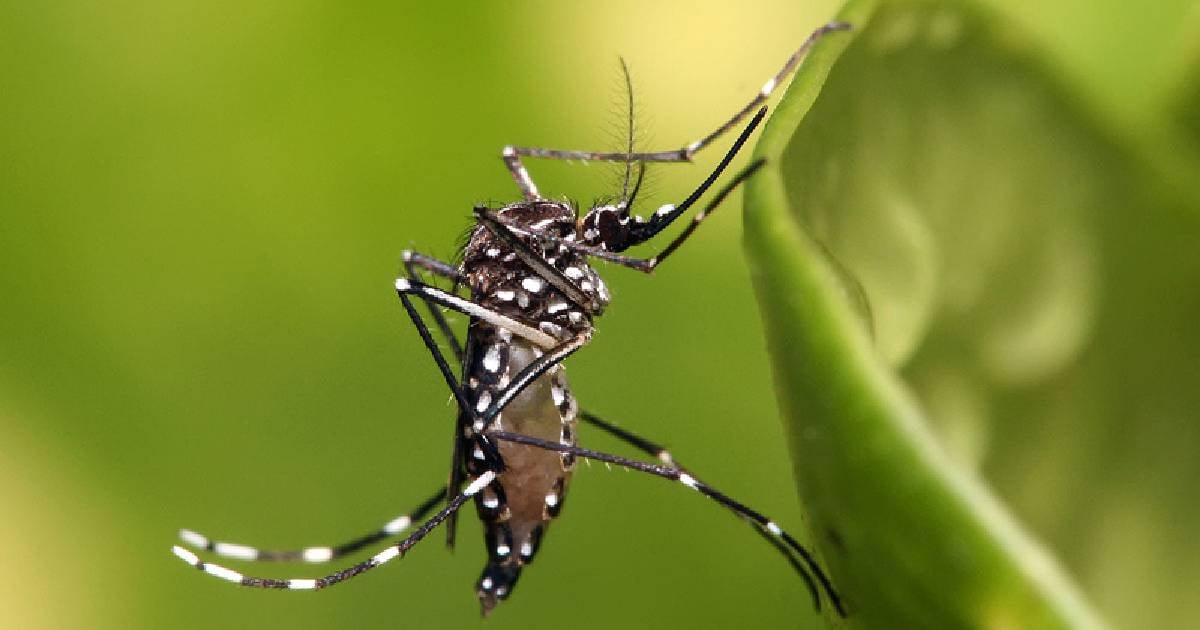
Cruz Ávila emphasized that environmental factors worsen the situation: the drought forces households to store water, which encourages the proliferation of the Aedes aegypti mosquito.
She recommended keeping the deposits covered, conducting weekly self-assessments, and cleaning patios and surrounding areas, as 70% of the breeding sites are found within homes.
Finally, he insisted that responsibility is shared: families must take extra care with domestic hygiene, and state institutions must ensure the cleanliness of streets, neighborhoods, and public spaces to prevent the spread of arbovirosis.
In the case of Villa Clara, authorities activated temporary groups to combat arboviruses in all 13 municipalities of the province this Thursday, following the confirmation of a rise in cases of dengue, chikungunya, and oropouche.
As of now, in the central province there have been 14 serious cases reported, although with no fatalities, according to the information.
Doctor Francisco Durán García stated that no deaths have been reported related to the viral events affecting the country, and he refuted claims that mentioned “11 deaths in one night” in Matanzas.
In his weekly update on the epidemiological situation, Durán specified that, although there is a high demand for health services in that province, they have not collapsed.
Durán confirmed the circulation of three arboviruses: dengue (with sustained presence), chikungunya (initially detected in Matanzas and currently expanding within the province), and Oropouche (on the decline).
The Minister of Public Health, José Ángel Portal Miranda, reinforced that statement in a meeting in Matanzas with authorities from the Communist Party.
"There are no deaths in Matanzas from this disease. There are no severe or critical cases. No one can hide an epidemic or the dead," he stated.
However, the official statements have sparked a wave of critical reactions among citizens, who deny that there are no deaths occurring as a result of these diseases.
Experts have warned about a crisis of "combined arboviral diseases" that the Cuban regime does not officially acknowledge, which limits the healthcare system's ability to tackle multiple and simultaneous outbreaks of mosquito-borne diseases.
The Cuban historian and activist Alina Bárbara López Hernández denounced that the national and provincial authorities are manipulating information about the epidemic that is affecting the province of Matanzas.
According to López, there is an explicit order to deny deaths caused by arboviral diseases. “The order to deny the deaths from arboviral diseases is in place. This is affirmed by Dr. Durán, the Minister of Health, and the authorities in Matanzas.”
The Matanzas journalist Yirmara Torres Hernández, former president of the Union of Journalists of Cuba (UPEC) in Matanzas, has also broken her silence.
There are no dead, but there are,” recounting the death of a neighbor from chikungunya and denouncing that “we live in constant stress, we are poorly nourished, immunocompromised... Nights belong to the mosquitos, the rats, the cockroaches... What vector control will there be like this?”
The Salvador Allende Clinical Surgical Hospital, popularly known as La Covadonga, could partially close its regular services due to the rise in cases of dengue and chikungunya in Havana.
Internal sources from the center confirmed to CiberCuba that a provincial commission visited the hospital on Tuesday, October 7, to assess the possibility of converting several of its rooms into admission units for patients infected with arboviruses, due to an increasingly tense epidemiological situation in the Cuban capital.
In Ciego de Ávila, the Provincial Directorate of Communal Services has intensified hygiene efforts in municipalities with the highest solid waste generation as part of actions to eliminate breeding grounds for the Aedes aegypti mosquito, the primary vector of dengue, chikungunya, and the Oropouche virus.
Frequently asked questions about the arbovirus outbreak in Cuba
What are the most common arboviral diseases in Holguín currently?
In the province of Holguín, cases of dengue and chikungunya have been reported in most of its municipalities. Although active transmission has not been proven, authorities are warning about the risk of localized outbreaks due to the presence of serotype four of dengue and the chikungunya virus in certain areas.
What measures are being taken in Cuba to control the proliferation of Aedes aegypti mosquitoes?
The measures include fumigation, elimination of breeding sites, and environmental sanitation. Families are advised to cover water containers, conduct weekly self-assessments, and clean their yards. State institutions must ensure the cleaning of streets and public spaces. These actions are complemented by fumigation campaigns and vector control in several provinces.
How does the current health situation affect the Cuban population?
The combination of shortages, official indifference, and lack of information has created a context of health emergency. The population is facing an increase in arboviral diseases without adequate access to medications and medical care, compounded by the accumulation of waste and a lack of resources for vector control, leaving vulnerable communities exposed to these outbreaks.
What symptoms should alert the population to seek immediate medical attention?
The symptoms that should alert the public include fever, muscle pain, joint pain or retroocular pain, general malaise, headache, or nausea. In the presence of these symptoms, health authorities urge individuals to see a doctor immediately, as they could indicate an infection by arboviruses such as dengue or chikungunya.
Filed under: