
Related videos:
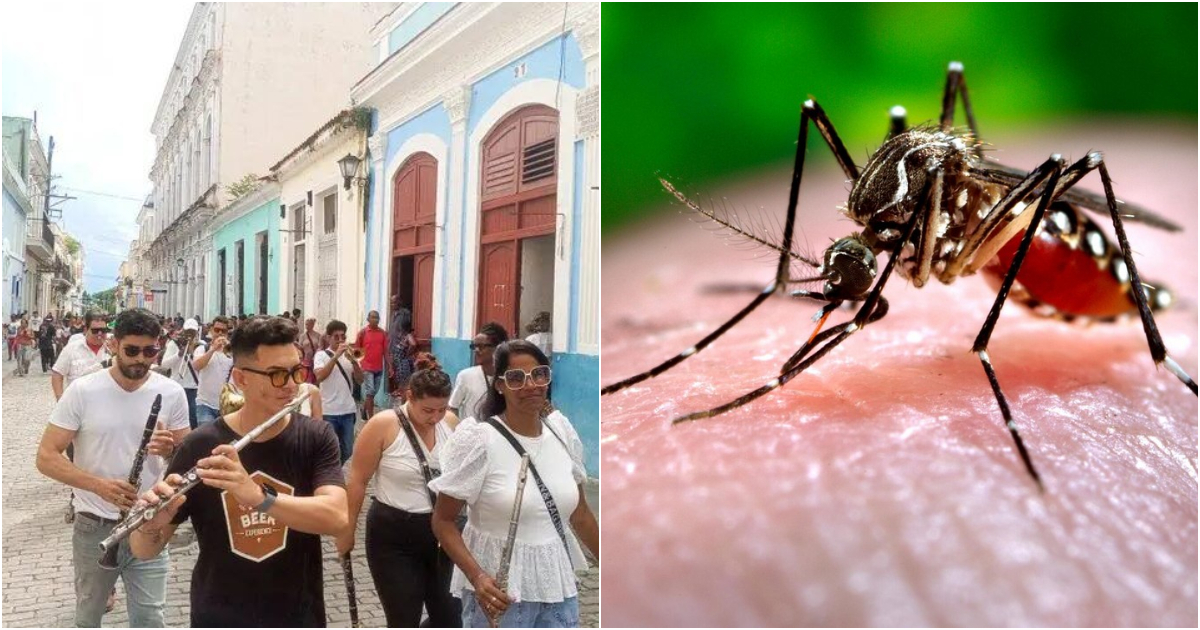
The city of Matanzas today inaugurated the 50th edition of Culture Week with a parade from Plaza de La Vigía to the Parque de la Rueda Dentada, featuring the Provincial Concert Band and several socio-cultural projects.
The event, organized by local authorities, celebrates the 332nd anniversary of the founding of the city, the centenary of the birth of Fidel Castro (1926-2016), and the 95th birthday of Armando Hart Dávalos (1930-2017).
The program includes stage performances by local groups, such as Danza Espiral, Teatro El Mirón Cubano, and Teatro Icarón, as well as tributes to prominent figures in Matanzas culture, including René Quiroz and Zenén Calero Medina, as reported by the official newspaper Girón.
However, the festivities have drawn criticism on social media, where many residents expressed outrage over the celebrations taking place amid a health crisis, shortages of medicine, and prolonged power outages.
"Cuba is in a critical epidemiological situation, with a lack of medications and blackouts, and yet the government authorizes parties," questioned a user.
Meanwhile, another commented: "Everything is very nice, but those of us who are sick with this terrible virus, no one cares about us; there are no investigations or fumigation, and the mosquitoes won’t let us live."
The reactions reflect the growing discontent among the people of Matanzas, who perceive a disconnect between the official agenda and the reality of a province affected by outbreaks of arboviral diseases and the deterioration of basic services.
For many, culture today is celebrated amidst the fever, the smoke of blackouts, and the incessant buzzing of mosquitoes.
Authorities from the Ministry of Public Health (Minsap) in Matanzas warned that “dengue kills,” although they ruled out any deaths due to this disease or the chikungunya virus in the province, which has been facing a rise in fever cases and increasing pressure on the healthcare system for several weeks.
In this regard, they announced the mobilization of approximately 2,500 students from the University of Medical Sciences to support the initiatives for controlling arboviral diseases.
The Minister of Public Health of Cuba, José Ángel Portal Miranda, stated that no deaths from dengue or chikungunya have been recorded in the western province, despite reports of a healthcare collapse and an increase in febrile cases in the province.
The insistence that "there are no fatalities" contrasts with citizen reports and unofficial medical accounts that indicate a much more serious situation, in a province where the health system collapse is already visible.
Calling for parties and mass events in the midst of a crisis is a recurring tactic by the Cuban authorities, highlighting a worrying political prioritization over citizen welfare. For many, it serves as proof of a profound institutional indifference.
Millions of Cubans were left in the dark due to the collapse of the National Electric System (SEN) when, in September, the Cuban government grandly inaugurated the latest edition of the Varadero Gourmet International Festival at the Plaza América Convention Center in Varadero.
Despite the energy collapse, the food shortage, and the growing despair of the population, the local government of Bayamo celebrated the so-called Popular Festivals from August 7 to 10, a festive event that stands in stark contrast to the daily struggles faced by the majority of Cubans.
In July last year, with Holguín in darkness and crisis, the local government organized the so-called Crystal Party, a revelry featuring beer and concerts that sparked public outrage due to its extravagance and opportunism.
The excessive use of electricity to power lights, sound systems, and refrigerated tents also raised concerns, while the residents of the Holguin neighborhood El Llano reported entire days without electricity.
In February, the extravagant dinner as part of the celebration of the Habano Festival at the Capitol in Havana was a clear example of this disconnection.
While the country faced widespread blackouts and basic shortages, the elite gathered at the headquarters of the National Assembly to celebrate the exclusivity of Cuban tobacco at an event that is far removed from the everyday struggles of the ordinary citizen.
The First Lady, Lis Cuesta, has publicly defended the holding of these luxury events, arguing that "they are part of the national identity and cannot be suspended."
Frequently Asked Questions about the Health Crisis and Celebrations in Matanzas
Why has the celebration of Culture Week in Matanzas generated criticism?
The celebration of Culture Week in Matanzas has faced criticism as it takes place amid a health crisis, with a shortage of medications and prolonged blackouts. Residents believe that the government is disconnected from the reality facing the province, which is affected by outbreaks of arbovirosis and the decline of basic services.
What is the current health situation in Matanzas?
Matanzas is facing a health crisis marked by an increase in cases of dengue and chikungunya. Although the government asserts that there are no deaths, hospitals are overwhelmed and there is a shortage of medicines. The population reports a lack of fumigation and the accumulation of garbage, which promotes the proliferation of mosquitoes.
What measures has the Cuban government taken in response to the health crisis in Matanzas?
The government has mobilized 2,500 students from the University of Medical Sciences to assist in controlling arboviruses. However, the population criticizes that the measures are insufficient and that the lack of resources limits fumigation and sanitation campaigns.
How has the population of Matanzas responded to the current situation?
The population of Matanzas has reacted with indignation and discontent. Many residents have used social media to express their frustration over the lack of proper medical care, the shortage of medicines, and the holding of celebrations amid the epidemiological crisis.
Filed under: