
Related videos:
Authorities from the Ministry of Public Health (MINSAP) in Matanzas warned that “dengue kills,” although they assured that no deaths have been reported from this illness or from the chikungunya virus in the province, which has been facing a spike in fever cases and increasing pressure on the healthcare system for several weeks.
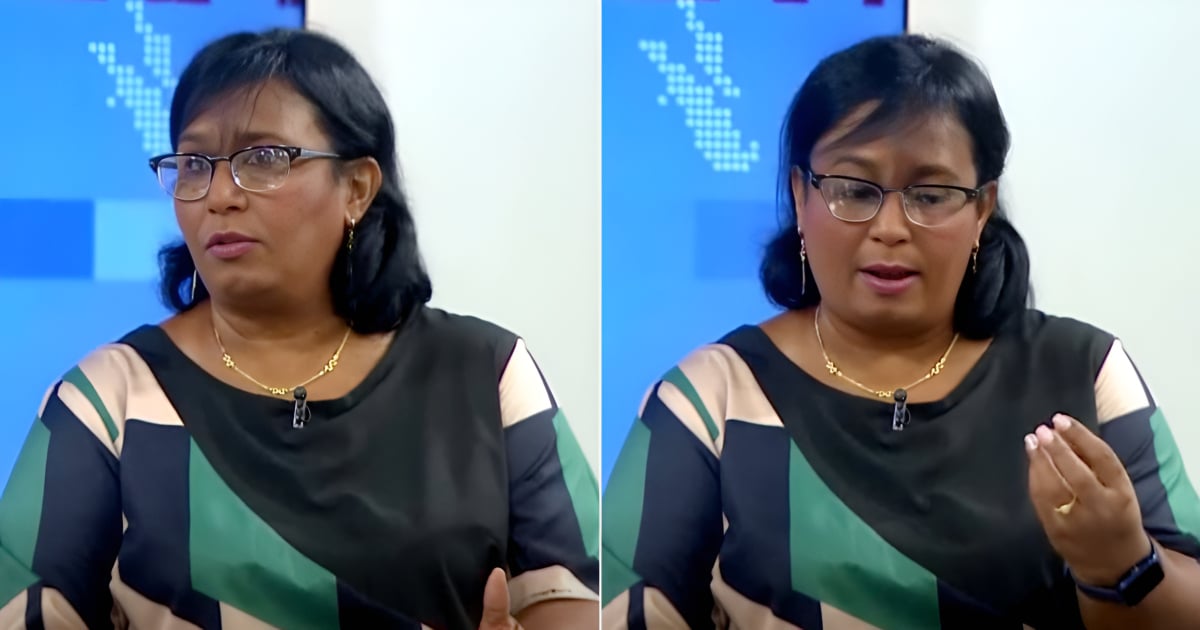
During a television appearance on the Special Magazine of TV Yumurí and Radio 26, the Deputy Minister of Public Health Carilda Peña García, along with Yamira López, General Director of Health in Matanzas, and Berta Bello, Provincial Deputy Director of Hygiene and Epidemiology, acknowledged the current epidemiological complexity, characterized by the co-circulation of several arboviral diseases and the shortage of resources for their control.
The chikungunya virus is currently more prevalent than dengue in the province, said Peña, who highlighted the efforts of teams from the Pedro Kourí Institute of Tropical Medicine (IPK) in response to the increase in diarrhea cases.
However, he admitted that the investigations remain insufficient and that the fumigation efforts face limitations due to a lack of motorized backpacks and fuel.
According to the authorities, dengue "is the most dangerous arbovirus, as it can be fatal", which is why all patients with nonspecific febrile syndrome must be admitted, whether in hospitals or at their homes.
Until this Friday, Matanzas has 543 beds available for febrile patients, of which only 43% are occupied, according to official data that contrasts with testimonies on social media reporting overcrowding of patients in hospital centers.
Among the most affected areas is the Eliseo Noel Caamaño Pediatric Hospital, which is operating at the limit of its capacity and has had to set up more than 100 beds in a medical extension within the University of Medical Sciences, designated for children under 10 years old.
Peña confirmed that there are no officially recorded deaths from dengue or chikungunya, although he acknowledged that “comorbidities can worsen clinical cases.”
Meanwhile, he referred to the municipality of Perico as one of the initial hotspots of the outbreak, where "many patients were already in the incubation period" at the time the diagnosis was confirmed, which hindered the ability to break the chains of transmission.
The authorities reiterated the call for civic responsibility in cleaning water storage containers and eliminating mosquito breeding sites.
However, the insistence that "there are no deaths" contrasts with citizen reports and unofficial medical accounts that point to a much more serious situation, in a province where the healthcare collapse is already evident.
A biological crisis that the official discourse masks
The assertion that “comorbidities worsen the patients' condition” has been repeated by Cuban authorities as an explanation for the severe cases associated with dengue.
However, that justification conceals a structural problem: the inability of the healthcare system to manage a combined arbovirus crisis —the simultaneous co-circulation of viruses such as dengue, chikungunya, and Oropouche— which MINSAP itself refuses to officially acknowledge.
From a scientific standpoint, comorbidities can increase clinical risk, but they do not solely explain the severity or spread of outbreaks. What exacerbates the epidemiological situation is the lack of differential diagnosis, the scarcity of medications, hospital overcrowding, and the inconsistency of vector control campaigns.
In other words, it is not diabetes or hypertension that kills: it is the neglect and absence of effective healthcare infrastructure.
Studies warn that co-infections caused by arboviruses represent an emerging challenge in public health. Without molecular testing or integrated surveillance, doctors cannot distinguish severe dengue from a viral co-infection, leading to blind treatments and delayed diagnoses.
In Cuba, this limitation is exacerbated by the lack of reagents, fuel for fumigation, and laboratory equipment.
The institutional denial of viral coexistence and deaths caused by it is driven less by scientific criteria and more by political reasons: acknowledging the combined circulation of multiple viruses would imply admitting a failure in epidemiological control and health system management.
For this reason, the official discourse avoids the term "combined arboviruses" and attributes the deaths to "comorbidities," diluting the state's responsibility in a context of healthcare collapse.
Meanwhile, thousands of Cubans are facing fever, joint pain, and long waits in hospitals without proper diagnoses or treatment.
Science warns that denying epidemiological evidence does not stop viruses; it merely renders them invisible. In a country where the Aedes aegypti mosquito circulates freely and medical resources are scarce, this invisibility is, in itself, a form of institutional negligence.
Filed under: