A private Cuban company has surprised social media with its capacity for innovation and production. This is Olinés, a small venture that manufactures extruded snacks (a type of snack that is called "pelly" in Cuba) like the popular Pikilín, using machinery built by themselves.
The process was documented in a video posted on Instagram by content creator @aprendedorajeje, who visited the factory and showcased how a team of 20 workers transforms corn into snacks that, as described, have "first world" quality.
It all begins with the threshing of the corn and its cleaning. Then, a machine—also created by the team—removes the germ and the skin to prevent the final product from retaining a strong corn flavor. From that process, the semolina is obtained, which is transformed into Pikilín.
Despite the challenges of the environment, such as power outages, the factory has managed to remain operational thanks to its own generator.
In addition to the popular snack, they also produce flour, local cornstarch, and feed.
One of the main machines was designed and manufactured by Maikel, the owner of Olinés, and is responsible for puffing the corn and giving the final texture to the extruded product.
To achieve the characteristic flavor, the team develops its own blend of seasonings, which includes tomato, spicy ingredients, garlic, onion, butter, chorizo, cheese, ham, and assorted meats.
The exact recipe has not been revealed as it is a house secret.
Olinés offers two types of packaging: a more economical option and a higher-quality one, designed to enhance the product's presentation.
According to the testimony gathered in the video, perfecting each stage of the process has taken them years of trial, error, and constant innovation.
The case of this small factory stands out in a country where private initiatives still face multiple obstacles, from resource scarcity to the structural limitations of the economic model.
However, Olinés' venture demonstrates that even in an adverse context, it is possible to develop national production with creativity, self-effort, and a long-term vision.
The initiative by the company Olinés comes at a crucial time for the private sector in Cuba, which has experienced unprecedented growth amid the state collapse.
According to recent data, more than 9,000 private MIPYMES are currently operating in the country, generating around 30% of formal jobs and supplying sectors where the State has fallen behind.
Cases like that of an ice cream mini-industry in Granma, where the only state factory survives thanks to private contractors, illustrate how the non-state sector has shifted from being a complementary option to becoming the only viable alternative to guarantee basic services.
Despite its positive impact, the government maintains an ambiguous stance.
In party meetings, senior leaders have acknowledged that they see private entrepreneurs as a “necessary evil”, tolerated out of convenience due to the state's inability to sustain the economy, but subject to controls, limits, and ideological stigmas.
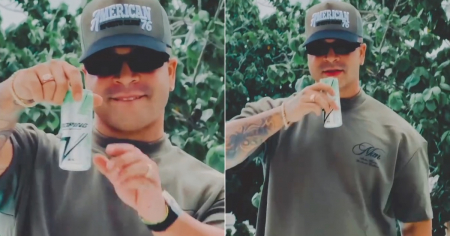
Nonetheless, public figures such as musician Yomil have embraced this path by launching his own energy drink under the brand “Doping”, demonstrating that the creation of national products with an entrepreneurial vision is also influencing the cultural sphere.
These experiences demonstrate that innovation, when allowed to flourish, can create opportunities even in the most restrictive environments.
Frequently asked questions about innovation in the private industry in Cuba
What is Olinés and what products does it manufacture?
Olinés is a private Cuban company that produces extruded snacks like Pikilín, as well as flour, local cornstarch, and animal feed. It stands out for its innovative capacity, using homemade machinery created by themselves for production.
How has Olinés managed to maintain its production despite the power outages in Cuba?
Olinés has been able to continue operating thanks to the installation of its own generator, which allows them to maintain production despite the frequent power outages that affect the country. This reflects their ability to adapt and be resilient in the face of environmental challenges.
Why is the Olinés case significant in the economic context of Cuba?
The case of Olinés is significant because it demonstrates that it is possible to develop national production with creativity and innovation, even in an adverse economic context like that of Cuba, where private initiatives face multiple obstacles. This company is an example of how small and medium-sized enterprises can contribute to the local economy.
Filed under: