
Related videos:
The Cuban energy crisis intensified again this Tuesday with the sudden shutdown of three generating units at the Energás Jaruco plant in Mayabeque, one of the key facilities in the national electrical system.
The Electric Union of Cuba (UNE) reported on its official Facebook account that at 3:19 PM, units 3, 4, and 6 of that plant went offline "due to a trip of the feed water pump," which required implementing an emergency bypass to attempt to restore service.
The technical failure occurs amidst a critical situation for the National Electric System (SEN), which is already facing a generation deficit exceeding 1,700 MW, according to the latest official reports.
The breakdown in Jaruco could further increase the impact by taking out of service a power generation source that provides stable and continuous energy to the western part of the country.
The Energás Jaruco power plant, located in the province of Mayabeque, is the result of a joint project between Cuba and Canada and uses associated natural gas from the area to generate electricity.
Its partial or total exit from the system has an immediate impact on the energy availability in western Cuba, where more than three million people reside.
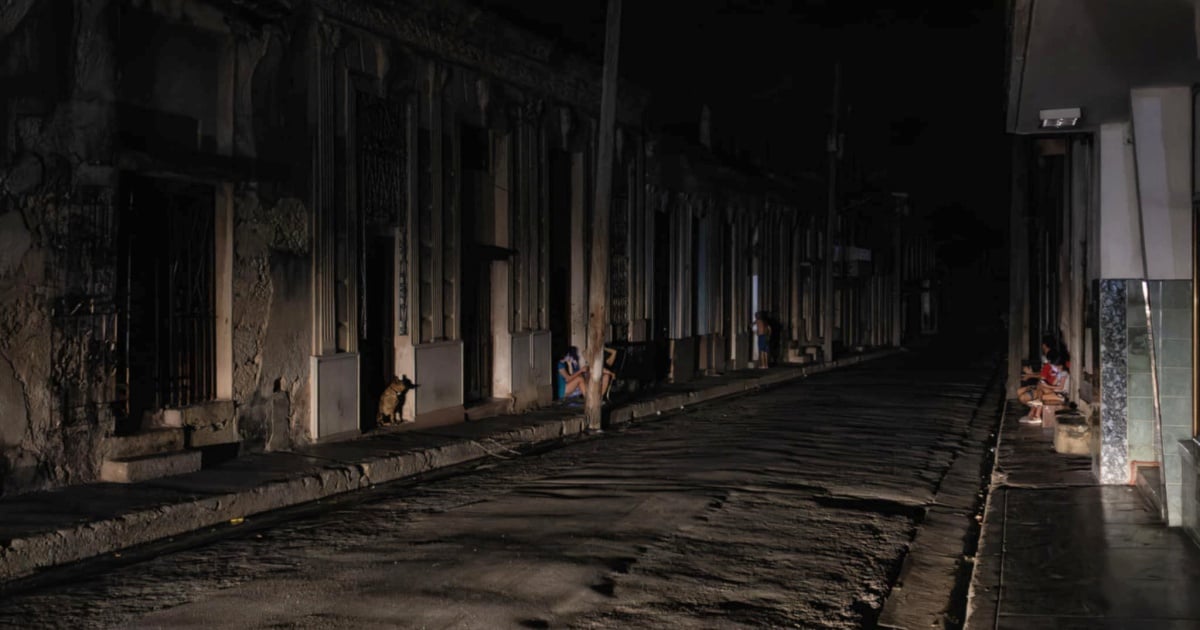
The lack of investment, the aging of the thermoelectric fleet, and the scarcity of resources continue to deepen the country's energy collapse, which this month has recorded one of the highest levels of blackouts of the year, with a national average of nearly 50% of the territory affected during peak demand hours.
A week ago, the Cuban regime added a new chapter to the long list of unusual explanations it provides when the already deteriorating SEN fails: in this instance, the cause of the outage of a generating unit from Energás Jaruco, in the province of Mayabeque.
On the other hand, the UNE reported on its social networks about a breakdown in the boiler of unit 1 of the Lidio Ramón Pérez thermoelectric plant, known as Felton, which forced the cessation of operations and the initiation of a cooling process on Saturday night, around 11:40 PM.
Frequently Asked Questions about the Energy Crisis in Cuba
Why are the Energás Jaruco units out of service?
Units 3, 4, and 6 of Energás Jaruco are out of service due to a "trip of the feedwater pump," which has worsened the energy crisis in Cuba. This technical failure occurs at a critical moment for the National Electric System (SEN), which is already facing a significant generation deficit.
What is the current situation of the Cuban electrical system?
The National Electric System (SEN) of Cuba is facing a severe crisis, with extended blackouts and a generation deficit exceeding 1,700 MW. The situation is due to a combination of outdated infrastructure, lack of fuel, and recurring technical failures.
What impact do breakdowns have on power plants in Cuba?
Breakdowns in generating plants such as Energás Jaruco and other key thermoelectric plants have led to a significant increase in the electricity generation deficit, worsening the blackout crisis across the island. These issues reflect the Cuban government's inability to maintain and modernize its energy infrastructure.
How does the energy crisis affect the daily life of Cubans?
The energy crisis in Cuba seriously affects the daily lives of citizens, with blackouts lasting more than 20 hours in some cases, impacting food preservation, access to water, and the functioning of essential services such as hospitals and schools. The blackouts have led to widespread discontent and protests in several regions of the country.
Filed under: