
Related videos:
A private entrepreneur from Guantánamo reported that the prolonged blackouts affecting the province have caused millions in losses to his small business, which is dedicated to the trade of refrigerated food.
The situation, shared with journalist Mario J. Pentón, highlighted the devastating impact of power outages on the emerging private sector in Cuba.
“For about 10 days now, the blackouts last 22 or 23 hours. We only have one or two hours of electricity a day,” explained the entrepreneur, who stated that his micro, small, and medium-sized enterprise (Mipyme) lost more than two million pesos due to the lack of electricity to preserve the products.
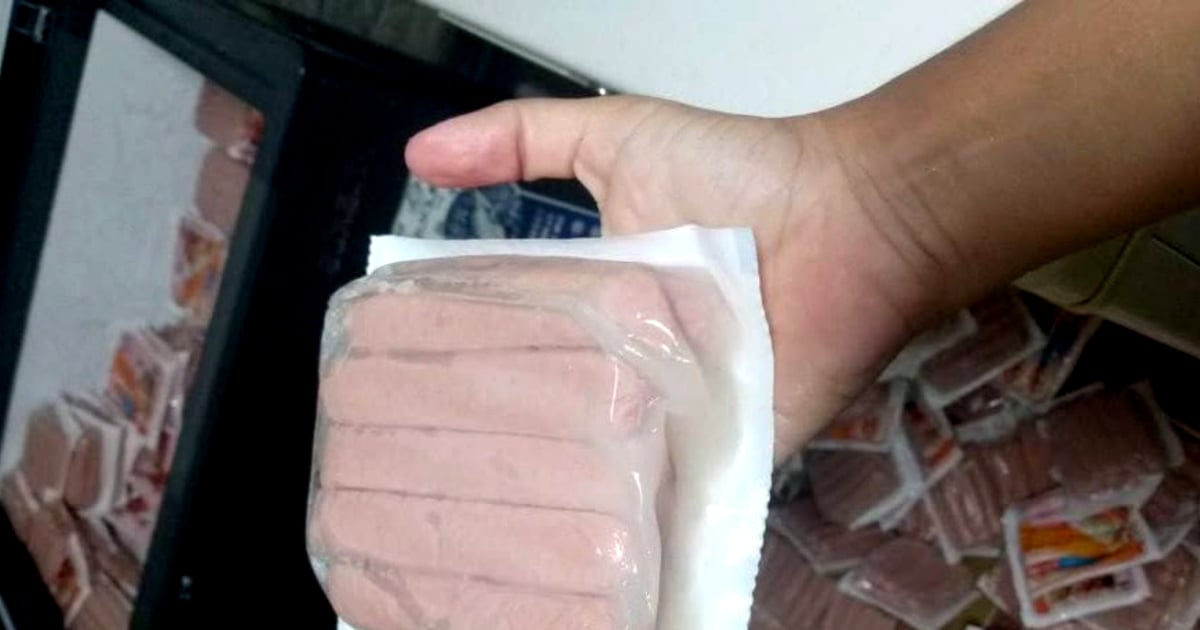
The released images show packages of sausages and cold cuts stored in refrigerators, some already spoiled due to the lack of refrigeration. According to the whistleblower, the company had the necessary infrastructure to preserve the food, but the unpredictability of the electrical system has left it with no options.
“Nobody warned that this was coming. You simply wake up to 23 hours of blackout and a million-dollar investment that nobody cares about more than you do,” lamented the businessman, who stated that his priority is not to jeopardize the health of consumers. “I would never sell that to a population as sick as that of Guantánamo,” he added.
The affected party stated that their business is not among the most powerful Mipymes and does not have state support, but rather survives thanks to the daily work of their team. “We are honest people who work from Sunday to Sunday and pay horrendous taxes,” they said.
The blackouts, which the Cuban regime attributes to “generation deficits,” have intensified in recent weeks, affecting both households and private businesses. “Today it’s 23 hours, tomorrow it could be seven consecutive days of blackout. This country is a suicide for entrepreneurs,” concluded the businessman.
The report reflects the growing discontent of the private sector in the face of an energy crisis that threatens its survival and exacerbates food shortages in eastern Cuba.
The energy crisis is hitting the private sector in Guantánamo
According to a review of the list of small and medium-sized enterprises approved by the Ministry of Economy and Planning, available on the specialized site mipymescuba.top, only two private small and medium-sized enterprises dedicated to food marketing (TUMABA and ALIMYTRANS) are registered in the province of Guantánamo.
It cannot be stated with certainty that the complaint corresponds to any of them, but the coincidence highlights the small number of ventures with that profile in the eastern region, one of the areas hardest hit by the severe energy and economic crisis the country is facing, with particular impact on the distribution and sale of food.
This limitation on the number of businesses dedicated to this activity reflects the structural difficulties faced by Cuban Mipymes, especially in peripheral provinces. Prolonged power outages, lack of stable access to fuels, and the restrictions imposed by the Government regarding imports and price setting have created a highly vulnerable scenario for the private sector.
Business owners and workers of these small enterprises must contend with million-dollar losses resulting from a lack of refrigeration, disruptions in the supply chain, and an instability that hinders medium-term production or trade planning.
In many cases, entrepreneurs have reported that authorities do not provide logistical alternatives or compensations in response to the disruptions caused by the energy crisis, while high tax levels and regulatory demands persist.
The case reported in Guantánamo gives a face to a national phenomenon: the Mipymes—originally created to invigorate the economy—are struggling to survive in a context of prolonged blackouts, rising inflation, and institutional distrust, which turns each workday into a race of endurance.
Filed under: