
Related videos:
The United States Department of State assured this Wednesday that Cuba's critical economic situation is not the responsibility of the White House, and stated that "in 1958 Cuba had one of the highest per capita GDPs in the hemisphere", but that just a few years after Fidel Castro came to power, the island was completely dependent on Soviet subsidies.
In a post from the official account of the Bureau of Western Hemisphere Affairs (@WHAAsstSecty), the U.S. government launched a counter-campaign against the government narrative, where it dismantles Havana's arguments regarding the embargo through brief posts on X.
"In the entire history of humanity, communism has never worked, and yet, the Cuban regime continues with its failed system."
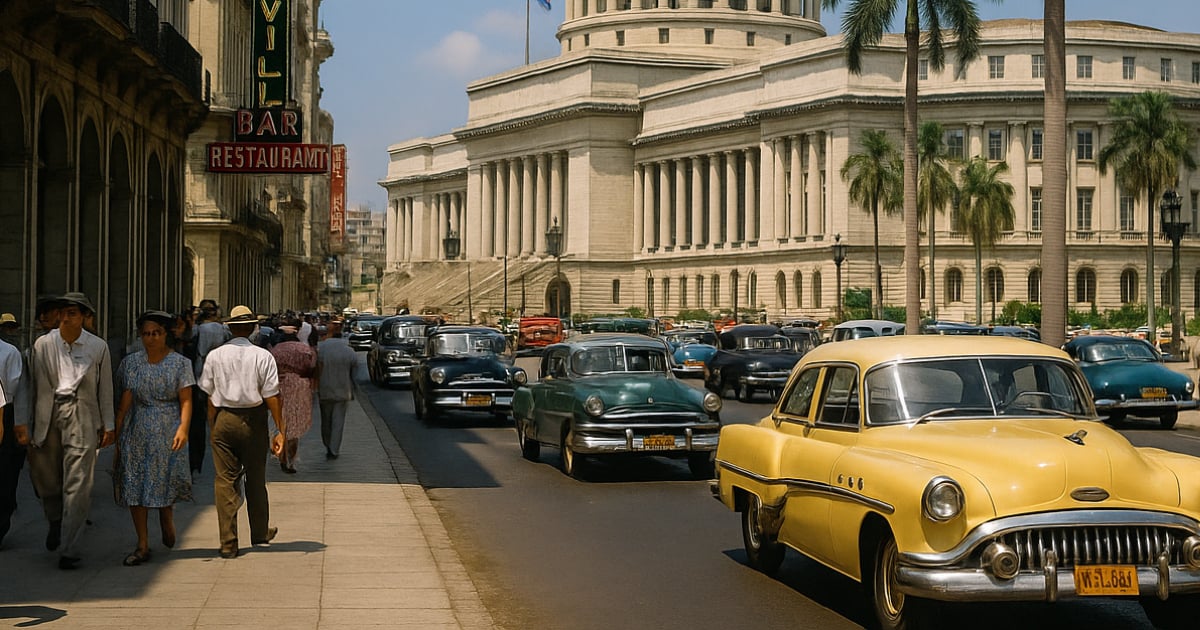
"Cuba was rich, modern, and had a prosperous middle class before 1959. Communism destroyed its economic potential and turned it into a dependent economy," concluded the State Department in its message.
The message arrives just as Havana is preparing for the annual vote at the UN General Assembly on the U.S. embargo.
The day before, the entity made further accusations and stated that "the collapse of Cuba's economy is the result of decades of corruption, mismanagement, and repression by an illegitimate regime that chooses to invest in luxury hotels and restrict private enterprise while its citizens go hungry."
The State Department also stated that Cuba imports food, medicines, and humanitarian products freely from the United States, within the permitted exceptions.
"In just the last year, U.S. exports to Cuba increased by 16%, reaching 585 million dollars in 2024," the agency noted.
The data contradicts the narrative of the Cuban regime, which this week relaunched a campaign against the embargo, insisting on attributing its economic crisis solely to these sanctions.
"Cuba buys chicken, wheat, corn, and medications from American companies. The embargo does not prevent these transactions. The real blockade is that of the regime against its own people," stated a spokesperson for the State Department.
The administration of Donald Trump, which returned to the White House in January, has intensified its policy towards the Cuban regime, seeking to reposition the topic of the embargo within a broader framework of hemispheric security.
Beyond the economic data, the message carries a clear symbolic weight: the United States seeks to dismantle the narrative that the "blockade" is the sole cause of Cuba's woes.
In an international context with less diplomatic support, Havana faces the UN vote with more uncertainty than ever. For the first time, the victim narrative may not be enough.
Filed under: