Cuba reported a increase in severe dengue cases during the previous week, amid a widespread rise in fever and active circulation of arboviral diseases in most regions.
According to reported by the Deputy Minister of Health Carilda Peña García on national television, the surveillance system recorded 13,071 febrile cases in seven days, and the endemic corridor of fever remains at epidemic level.
This week, he said, 16 more patients were treated in therapy rooms than the previous week; during this period, there were 7 critically ill patients, and it concluded with one in that condition.
Severe cases increase as viral circulation grows.
The national rate rose to 24.3 per 100,000 inhabitants. The provinces with the most complex situation are Guantánamo, Matanzas, Ciego de Ávila, Havana, and Cienfuegos; followed by Villa Clara, Sancti Spíritus, and Camagüey.
After years of serotype 3 dominance, serotype 4 is now prevalent, which increases the risk of severe illness in reinfected individuals with a different serotype.
Chikungunya is practically maintained throughout the country, except for Las Tunas, Mayabeque, and the Isle of Youth, where there is no strong evidence of transmission.
The health authority warned that in the initial days of the febrile condition, it is often not possible to distinguish whether it is dengue or another arbovirosis, so it is crucial to monitor alarm signs and seek timely consultation to avoid fatal outcomes.
The increase in severe patients correlates with the higher circulation of dengue in the national territory.
To confront the epidemic, they proceeded to use adulticides with the aim of covering the human population in the most affected territories within 15-20 days, depending on availability.
Around 12 "high productivity" trucks ("the ones that emit smoke on the street") are currently in operation, and actions to eliminate breeding sites in water deposits will be intensified to control the reproduction of the vector.
Campaigns depend on fuel allocations and new equipment.
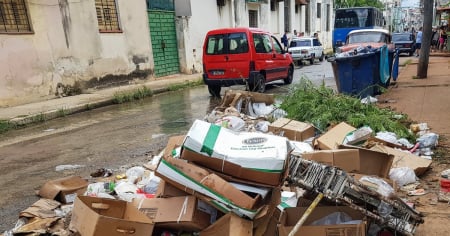
Public Health ruled out closures similar to those during COVID-19 because dengue is not transmitted from person to person, and emphasized the need to manage the environment: eliminate breeding sites, cover containers, change the water in vases, and ensure hygiene in homes, workplaces, and schools as part of the state's and community's responsibility.
He requested to stay alert to the evolution of gravity (admissions to therapy and critical cases), the behavior of the dengue rate and transmission hotspots by province, and the impact of adulticide and abate cycles on vector indices.
With more severe patients, an increasing rate, and serotype 4 predominating, the country is facing a risk scenario that demands early detection, strict vector control, and intersectoral coordination to contain transmission.
Filed under: