
Related videos:
Going on vacation to Cuba in 2025 is, literally, playing Russian roulette with your health. What was once promoted as "the Caribbean paradise" has turned into a health risk destination, where a simple appendicitis can end in tragedy. This is evident from recent cases of foreign tourists hospitalized under deplorable conditions, including 51-year-old Spanish citizen Pedro Daniel Bernad Rodríguez, who is currently fighting for his life in a hospital in Santa Clara without access to the antibiotics that could save him.
Pedro Daniel traveled on October 3, 2025, with hopes of spending a vacation on the island. A week later, he was in the intensive care unit of the Arnaldo Milián Castro Hospital, having undergone two operations for an intestinal volvulus and suffering from post-operative pneumonia. The family had to search for colistin on their own—an essential antibiotic that was unavailable at the hospital—and even so, they were unable to complete the treatment.
Her story is not an isolated case. In February, the Canadian Sylvie Beauchesne suffered a hip fracture and spent weeks in a hospital in Ciego de Ávila without painkillers or antibiotics, until her family was able to repatriate her on a medical evacuation flight
In March, Caroline Tétrault, also Canadian, underwent emergency surgery for peritonitis in a hospital lacking electricity and medication. Other European tourists contracted tropical viruses such as chikungunya and Oropouche, while the United States and Canada issued alerts advising against travel to the island.
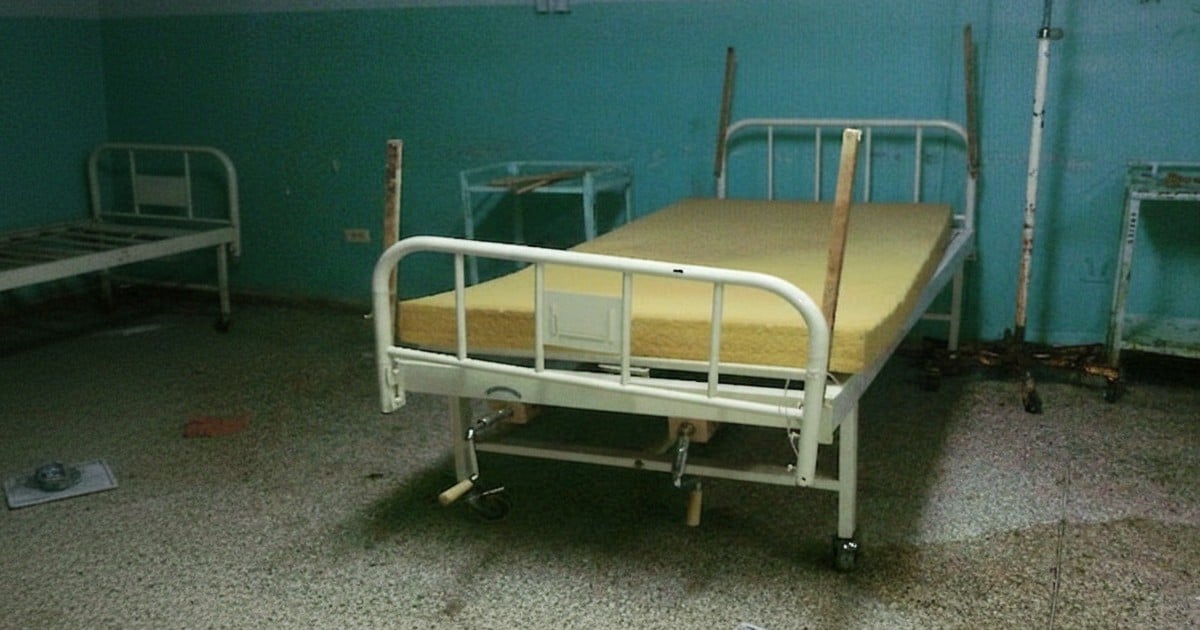
Cuba's Minister of Public Health, José Ángel Portal Miranda, acknowledged before the National Assembly that the country only has 30% of the basic medication supply. Hospitals are lacking gauze, syringes, and anesthesia, and hygiene conditions are poor. According to the government itself, infant and maternal mortality rates are rising, and hospitals are infested with pests, experiencing thefts, power outages, and a shortage of qualified medical personnel
In that context, getting sick in Cuba—whether you are Cuban or a tourist—means facing a health system in ruins. Doctors work without supplies, patients must source their own medications, and families pay bribes or rely on contacts to receive care. The regime tries to conceal this with propaganda campaigns showcasing recently painted hospitals for the cameras, but the reality reeks of expired bleach and desperation.
Reports from sick foreigners coincide on one point: priority medical care is only available to those who pay in foreign currency or have robust international insurance. Cubans, on the other hand, survive as best they can. However, even tourists find themselves ensnared in bureaucratic red tape and poverty: Bernad's medical repatriation costs 300,000 euros, a sum that neither the insurance company nor the Spanish consulate were willing to cover. His family has had to start a public fundraising campaign in an attempt to bring him home.
The romantic image of Cuba with music and mojitos hides a tragic truth: the country is experiencing a health emergency. Official figures confirm simultaneous outbreaks of dengue, zika, chikungunya, and Oropouche fever, while hospitals are crumbling and doctors are fleeing the country. In Matanzas and Cienfuegos, tourist hotspots, the embassies of the United States and Canada have advised their citizens not to travel. The Pan American Health Organization (PAHO) and the U.S. CDC corroborate this: Cuba is no longer a safe destination.
From Spain to Canada, the stories are the same: hospitalized tourists, desperate families, hospitals without water or medicine, incorrect diagnoses, and exhausted doctors improvising with what they have. All while the Cuban government insists on selling an image of medical excellence that can be exported to the world. But the numbers, the photographs, and the testimonies tell a different story: the collapse is total.
Traveling to Cuba for tourism in 2025 is not an act of cultural curiosity or solidarity with the Cuban people. It is, plain and simple, madness. There are no medical guarantees, embassies cannot assist you, insurance does not cover evacuations, and if you become ill, you will be alone in a system that cannot even care for its own citizens.
While the regime continues to use tourism as economic oxygen, foreign travelers should question whether it is worth financing a dictatorship at the expense of their health and lives.
Cuba needs solidarity, yes, but not in the form of naïve tourism. Traveling to Cuba today is not supporting the people: it is exposing oneself to a nightmare.
Filed under:
Opinion article: Las declaraciones y opiniones expresadas en este artículo son de exclusiva responsabilidad de su autor y no representan necesariamente el punto de vista de CiberCuba.