
Related videos:
The Cuban regime is trying to mitigate the national health crisis with the development of various clinical trials and experimental drugs aimed at combating dengue and chikungunya, two arboviral diseases that are currently in active transmission across almost the entire island.
According to the national director of Epidemiology, Francisco Durán, during the official program Mesa Redonda, the country has 21 ongoing investigations with domestically produced products, amidst a context of health alert and hospital collapse.
“We are working intensely, just as we did during Covid-19,” he said in statements quoted by official media, in an attempt to convey confidence while citizen reports describe overwhelmed hospitals, a shortage of basic medications, and a healthcare management characterized by neglect.
Drugs in trial and recycled promises
Among the mentioned products, Jusvinza stands out, a medication originally developed for severe COVID-19 patients, which is now being studied in chronic and subacute cases of chikungunya due to its supposed immunomodulatory and anti-inflammatory effects.
Tests are also being conducted with rectal ozonotherapy to relieve joint pain following infection, and with Cumeric, a nasal drop formulation made from turmeric, which MINSAP claims could have a protective effect against arboviral diseases.
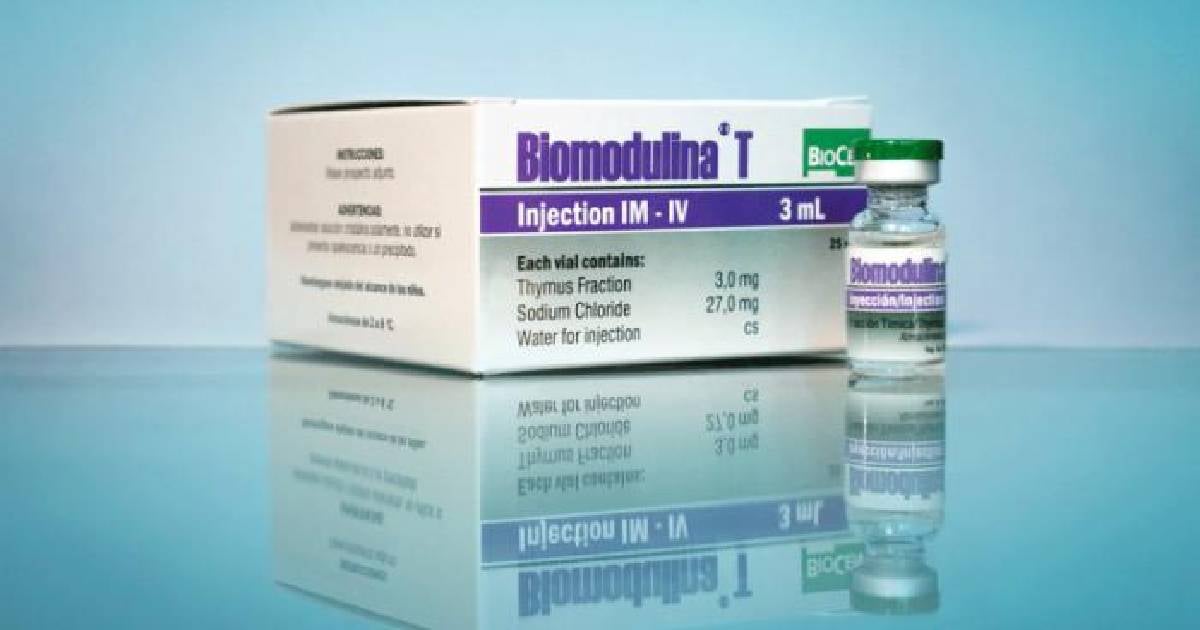
Additionally, the government promotes the use of Biomodulina T and Thymalin—immune-stimulating drugs commonly used in the elderly—as part of a "health intervention" for vulnerable populations, particularly in the Havana municipality of Cotorro.
A sick and resource-limited country
Durán's statements come in the midst of one of the worst healthcare crises, with over 20,000 confirmed cases of chikungunya and thousands of febrile patients throughout the country.
The Ministry of Public Health (MINSAP) insists on talking about a "trend towards decrease", but the reality described by doctors and citizens is different: there is a shortage of medications, fumigation efforts are failing, and trash is piling up next to homes, which exacerbates the spread of the mosquito Aedes aegypti.
Meanwhile, the regime portrays the development of these drugs as a demonstration of “scientific sovereignty,” despite hospitals lacking serums, antibiotics, and sufficient personnel, and clinical trials being conducted without transparency or independent oversight.
Between propaganda and emergency
The official discourse tries to replicate the strategy used during the COVID-19 pandemic, promoting the idea that "Cuban science" is capable of controlling the health crisis. However, the figures of infections, reports of lack of medical care, and unreported deaths reveal a country that is sick, overwhelmed, and abandoned.
The new drugs may provide partial relief, but they will hardly compensate for the lack of infrastructure, prevention, and health management, which currently leaves Cuba at the mercy of mosquitoes, state negligence, and a healthcare system on the brink of collapse.
Filed under: