
Related videos:
The province of Holguín is experiencing a significant epidemiological deterioration marked by the circulation of chikungunya and dengue serotype four, alongside an increase in febrile syndromes following the passage of Hurricane Melissa.
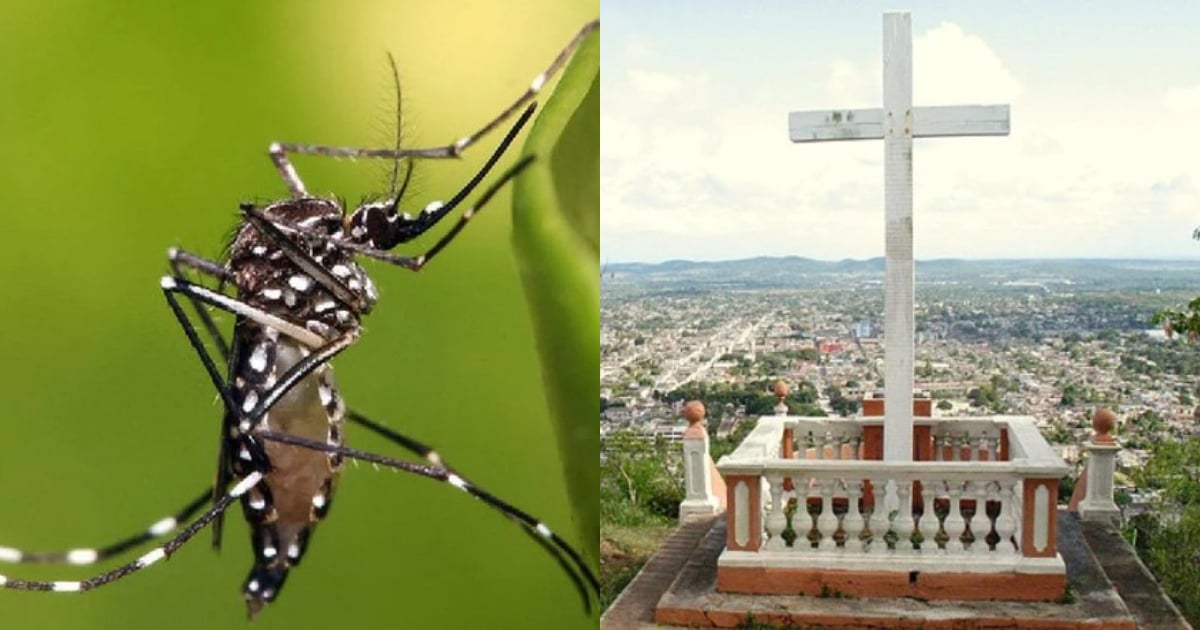
The director of the Provincial Center for Hygiene and Epidemiology, Geanela Cruz Ávila, reported that in the last month, treatments for specific febrile syndrome have increased, a situation worsened by the high presence of the Aedes aegypti mosquito, which has raised the risk of arboviral transmission.
The PCR screenings conducted at the Pedro Kourí Institute of Tropical Medicine (IPK) confirmed the circulation in the eastern region of serotype four of dengue (DEN-4) and the chikungunya virus, both associated with the increasing symptoms reported by the population: joint pain, fever, general malaise, loss of appetite, and mobility limitations, the official newspaper ¡Ahora! acknowledged.
Specialists noted that dengue can manifest between three and 14 days after an infective bite, with high fever, intense headache, eye discomfort, muscle and joint pain, nausea, vomiting, or rash.
In the case of chikungunya, symptoms typically appear between four and eight days later, with sudden fever accompanied by joint pain that can last for months.
In light of the epidemiological situation, the provincial strategy presented to the Provincial Defense Council was approved and includes the initiation of active transmission in four municipalities with the highest number of cases of nonspecific febrile syndromes: Holguín, Cacocum, Urbano Noris, and Cueto.
The management emphasized that the risk is widespread throughout the province.
The response includes a plan with nine components that encompasses epidemiological surveillance, medical assistance organization, environmental sanitation, communication and promotion, community participation, surveys in communities, home or hospital admissions, monitoring of alarm signs, entomological and epidemiological analysis, and adulticidal and focal actions both inside and outside of homes.
Cruz Ávila emphasized that citizen participation is essential to interrupt the transmission. He mentioned some measures such as keeping water storage containers covered, eliminating risks in yards and homes, and ensuring cleanliness in the surroundings to prevent the breeding of the mosquito, which typically stays close to homes.
However, in the major cities of the country the garbage bins are overflowing, the streets are filled with stagnant water and there is a lack of basic resources, a governmental responsibility that state media often overlook.
The Cuban government has initiated the production of natural repellents in Granma province, a considerably delayed measure, after months during which stores in Havana only offered products priced in dollars, despite the increasing spread of arboviral diseases.
This delay in product manufacturing coincides with the escalation of mosquito-borne diseases, turning into a nationwide health crisis.
According to the national director of Epidemiology at Minsap, Dr. Francisco Durán García, more than 30% of Cubans have been infected with chikungunya, which would amount to approximately 3 million people on the island.
Filed under: