
Related videos:
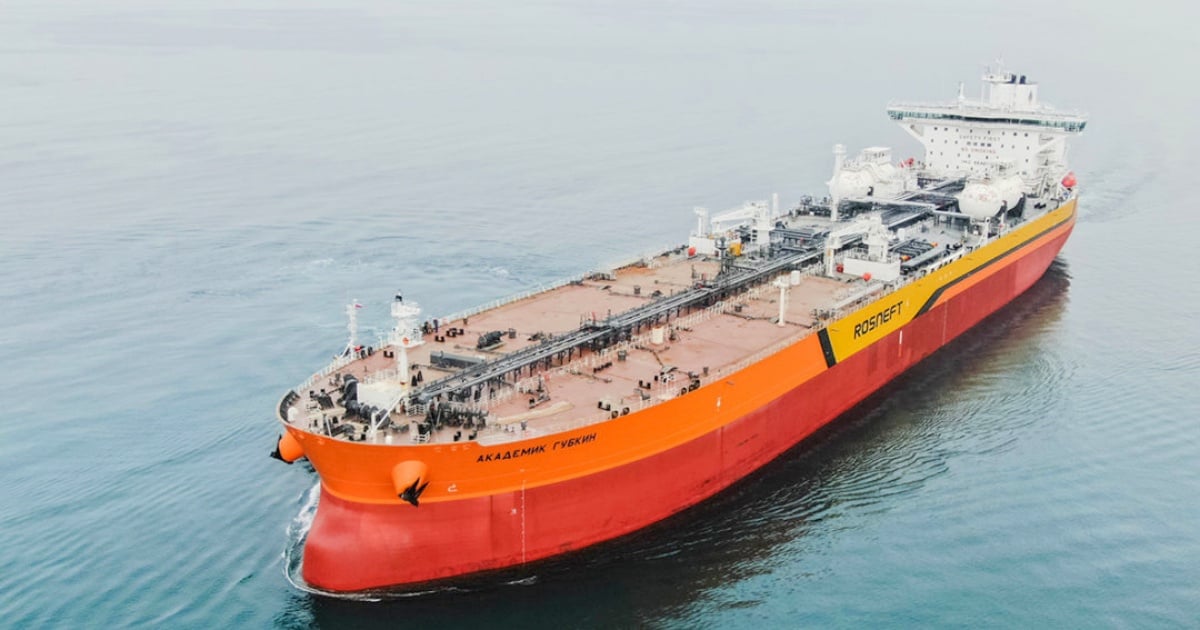
A Russian oil tanker sanctioned by the United Kingdom and the European Union abruptly altered its course towards Venezuela after an American warship interfered with its path in the Caribbean Sea.
The tanker, identified as Seahorse, was transporting naphtha, an essential diluent for the Venezuelan oil industry to process and export its extra-heavy crude.
According to maritime tracking cited by Bloomberg, the incident occurred on November 13, when the Seahorse was heading towards the Venezuelan coast and the American destroyer USS Stockdale positioned itself in its path.
The oil tanker made a U-turn and sailed towards Cuba. Subsequently, it tried to get closer to Venezuela two more times, but once again had to turn back and remained stationary in the Caribbean, without a fixed course.
Finally, it returned to the port of Matanzas, where it had made a previous stop, and set sail again for an unknown destination.
Sanctions, scarcity, and dependence on Moscow
The Seahorse is one of the four Russian ships supplying gasoline to Venezuela.
This diluent is essential for mixing with Venezuelan heavy, sulfurous crude, which cannot be transported or exported without this product.
Although Venezuela has the largest proven oil reserves in the world, it is facing a severe fuel crisis and gasoline shortages, forcing Caracas to seek support from powerful allies such as Iran and Russia.
During the Biden administration, the American oil company Chevron made some shipments of gasoline through special licenses, but that avenue was closed off following Donald Trump's arrival at the White House and his "maximum pressure" policy against Nicolás Maduro.
Therefore, Venezuela's dependence on Russia has intensified.
The Seahorse, according to reports, is part of the so-called "shadow fleet": ships hired by Russia that operate secretly to evade sanctions imposed by the West since the invasion of Ukraine.
Military operation and international pressure
The USS Stockdale arrived in the Caribbean at the end of September, accompanied by more than a dozen military vessels, as part of the antinarcotics deployment announced by the United States government.
Although the Pentagon claims that the official goal is to combat drug trafficking and block hydrocarbon shipments in the region, the deployment raises questions about whether Washington aims to restrict Moscow's energy assistance to Caracas with the ultimate objective of achieving political change in Venezuela.
Official silence and rising tension in the Caribbean
None of the governments involved have officially commented on the maritime blockade episode.
For the moment, the immediate turn of the Russian tanker suggests that the presence of the American destroyer was sufficient to halt the shipment.
With the tanker now immobilized and the gasoline shortage exacerbating, the energy dispute adds to the increasing military presence in the region and deepens the geopolitical tension surrounding Venezuela and its allies.
The question that remains is whether the Seahorse blockade is an isolated case or the beginning of an escalation intended to cut off Russian supplies to the South American country.
Filed under: