In the midst of an epidemiological crisis and with hospitals overwhelmed, Dr. C. Osvaldo Castro Peraza, a specialist at the Pedro Kourí Institute of Tropical Medicine (IPK), stated during the Round Table that the chikungunya epidemic "will pass" and will soon be "a story to tell."
The phrase, spoken while thousands of Cubans remain confined to their homes, has caused frustration among those experiencing the emergency without medications, clear information, and resources to cope with it.
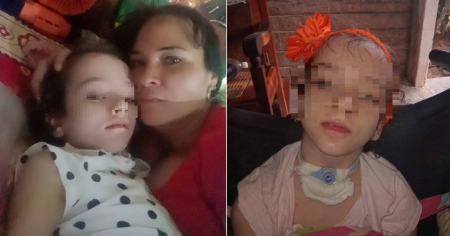
The statement contrasts with the data that the Ministry of Public Health (MINSAP) itself has acknowledged. According to Dr. Francisco Durán, Cuba has over 31,000 suspected cases, with 95 patients in intensive care and a particularly heavy burden on children: 63 minors under 18 are in serious condition, and at least 34 children remain in serious or critical condition in intensive care units.
During his speech, Castro Peraza admitted that the scale of the outbreak in Cuba is "significant" and comparable to that of countries like Brazil and Colombia, where the disease "wiped out entire populations."
He explained that the Cuban population was completely "naive" to the virus and that, unlike dengue, chikungunya causes symptoms in nearly all infected individuals.
Still, he urged Cubans to "stay calm" and assured that in three months "most will improve." "We are going to have a good end of the year," he stated, insisting that "this will be a story to tell."
For those who cannot rise from pain, or for parents keeping vigil over a child in intensive care, the message sounds disconnected from reality.
Debilitating pain, bedridden families, and real risk of death
The specialist himself acknowledged that the first days of the illness are debilitating. "A patient with chikungunya is practically bedridden," he said, noting that some are unable to cook or perform basic activities. When the entire family falls ill, he added, "the problem is serious."
Castro Peraza also described severe complications such as meningoencephalitis, myocarditis, arrhythmias, organ failure, severe hemorrhages, and skin lesions similar to burns. The most vulnerable, young children and the elderly, are precisely those who are currently occupying intensive care units.
A system without resources and a population that avoids hospitals
Both Castro Peraza and Durán agreed on a key point: many sick Cubans do not seek help from the healthcare system. However, the reason for this was not addressed transparently. Hospitals lacking supplies, endless queues, a shortage of painkillers, and accumulated distrust drive thousands of people to self-medicate at home, posing even life-threatening risks.
Durán acknowledged that dozens of fumigation brigades are not operating due to a lack of personnel or equipment, and that official figures "do not always reflect reality."
While the MINSAP calls for calm, the epidemic continues to advance. And for thousands of Cubans who today live amid pain, fear, and institutional silence, the expert from the IPK is not reassuring: rather, it confirms that once again, the people are left to bear the worst of it alone.
Filed under: